

A roof is one of the most important parts of any home, protecting the structure from rain, wind, heat, and other environmental factors. Among the many roofing materials available today, tile roofing remains one of the most durable, attractive, and long-lasting options for homeowners. Suppose you need to build a new home, replace an aging roof, or explore roofing materials. A Complete Guide to Tile Roofing can help you make an informed decision.
What is Tile Roofing?
However, tile roofing is a system of individual tiles that are installed in overlapping rows and manufactured from clay, concrete, slate, or composite materials. Tile roofs have been used for centuries and are known for their exceptional durability and timeless appearance.
You might choose tile roofing because it offers perfect protection against harsh weather conditions, while it also improves curb appeal. Moreover, if tiles are properly installed and maintained, they can last for decades, which makes them a valuable long-term investment.
Why Choose Tile Roofing?
One reason many of you choose tile roofing is its ability to combine beauty with performance. Tile roofs provide a distinctive appearance that complements various architectural styles, from Mediterranean and Spanish designs to modern and traditional homes.
- Exceptional lifespan
- Resistance to fire and weather
- Energy efficiency
- Low maintenance requirements
- Enhanced property value
- Attractive appearance
Types of Tile Roofing Materials
Understanding different tile materials is an important part of The Complete Guide to Tile Roofing because each material offers unique benefits.
Clay Tiles
These tiles are among the oldest roofing materials in the world. They are known for their classic appearance and natural resistance to weather damage.
Benefits include:
- Long lifespan
- Fade-resistant color
- Fire resistance
- Excellent durability
Clay tiles are popular in warm climates because they help regulate indoor temperatures.
Concrete Tiles
Concrete tiles provide an affordable alternative to clay while offering similar durability.
- Strong weather resistance
- Multiple color options
- Lower material costs
- Long service life
These tiles can also mimic the look of clay, slate, or wood shake roofing.
Slate Tiles
Slate tile roofing offers a premium appearance and exceptional longevity.
- Natural stone beauty
- Extremely durable construction
- Fire resistance
- Long-term value
Although slate roofing often comes with higher upfront costs, many of you appreciate its unmatched durability.
Composite Tiles
These tiles are manufactured using advanced materials to replicate traditional roofing products. Composite roofing continues to grow in popularity due to its versatility and performance.
- Lightweight design
- Easier installation
- Improved impact resistance
- Various design options
What are the Benefits of Tile Roofing?
A major section of The Complete Guide to Tile Roofing involves understanding why tile roofs remain a preferred option for homeowners.
Exceptional Lifespan
One of the significant benefits of tile roofing is longevity. Depending on the material, tile roofs can last 50 years or more with proper maintenance.
Weather Resistance
Tile roofs perform well in challenging weather conditions. They can withstand:
- Heavy rain
- Strong winds
- Intense sunlight
- Extreme temperatures
The durability helps reduce the need for frequent repairs.
Energy Efficiency
Tile roofing naturally creates ventilation beneath the tiles, helping regulate indoor temperatures.
As a result, you may experience certain features.
- Reduced cooling costs
- Improved comfort
- Better energy efficiency
Increased Property Value
A tile roof can improve curb appeal and increase a home’s resale value due to its premium appearance and long lifespan.
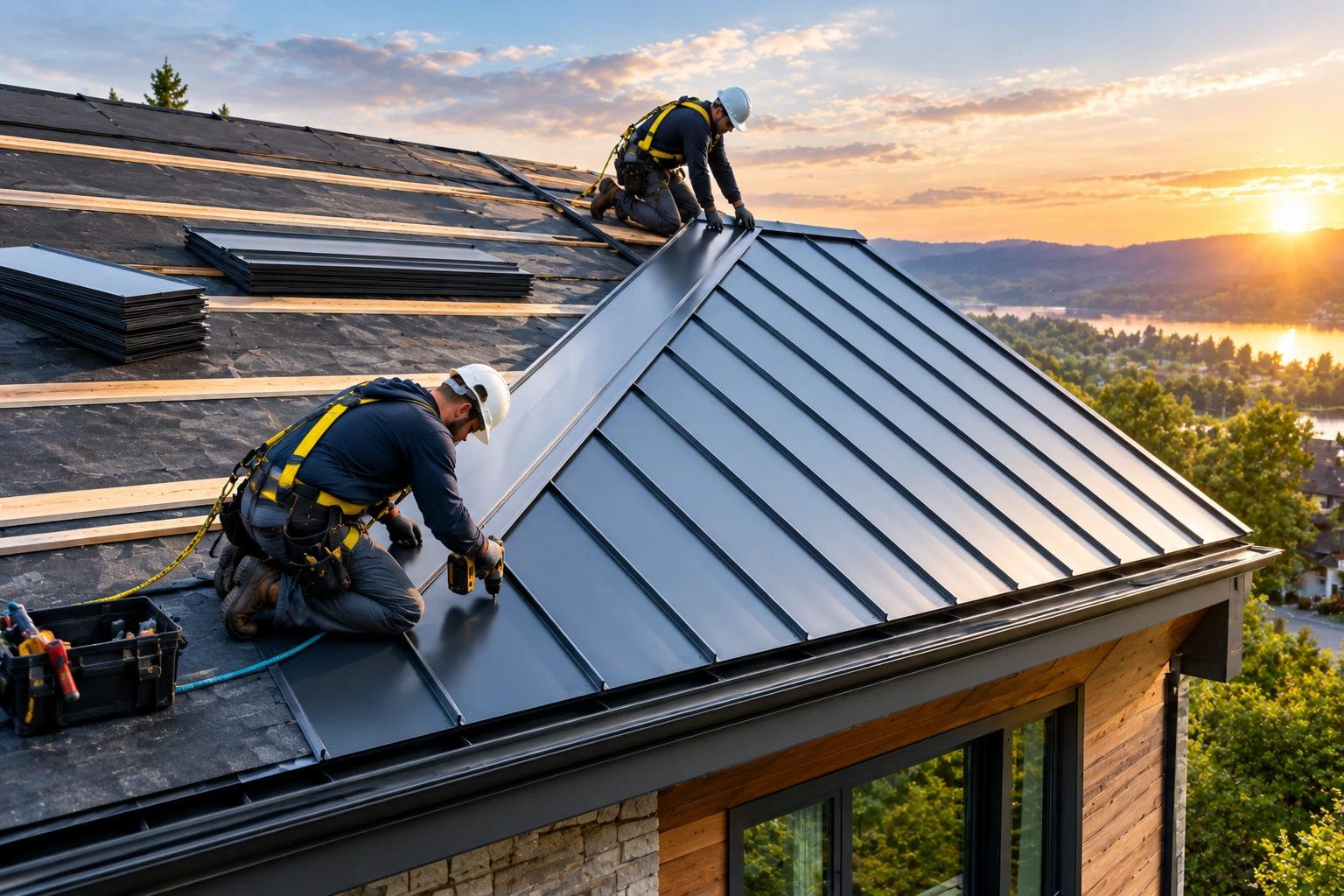
What is the Process of Roof Tile Installation?
Proper Roof Tile Installation is critical to the performance and lifespan of any tile roof. Even the highest-quality materials can fail if installed incorrectly.
Roof Inspection
Before beginning Roof Tile Installation, professionals evaluate the roof structure to confirm it can support the weight of the tile material.
- Structural assessments
- Deck inspections
- Moisture evaluations
- Ventilation reviews
Prepare the Roof Deck
Before installation begins, you must clean, dry, and make the deck structurally sound.
- Removing old roofing materials
- Repairing damaged decking
- Installing waterproof underlayment
Installing Underlayment
A high-quality underlayment serves as an additional moisture barrier beneath the tiles. It is crucial to prevent leaks and extend the roof’s lifespan.
Tile Placement
During Roof Tile Installation, each tile is carefully positioned according to manufacturer specifications.
Proper spacing and alignment help ensure various factors are met.
- Effective water drainage
- Wind resistance
- Long-term durability
Finishing Components
The installation process also includes:
- Ridge caps
- Flashing
- Vent systems
- Edge protection
These components contribute to overall roof performance and weather resistance.
What are the Tile Roofing Problems?
Although tile roofing is highly durable, issues can occasionally occur.
Cracked Tiles
It may develop for various reasons. Prompt replacement helps prevent moisture intrusion.
- Falling branches
- Foot traffic
- Severe impacts
Underlayment Deterioration
While tiles often last decades, the underlayment beneath them might require replacement sooner.
- Water stains
- Leaks
- Mold growth
Flashing Damage
It protects roof penetrations and valleys. Damaged flashing enables water to enter the structure. With regular inspections, you can identify issues before major repairs become necessary.
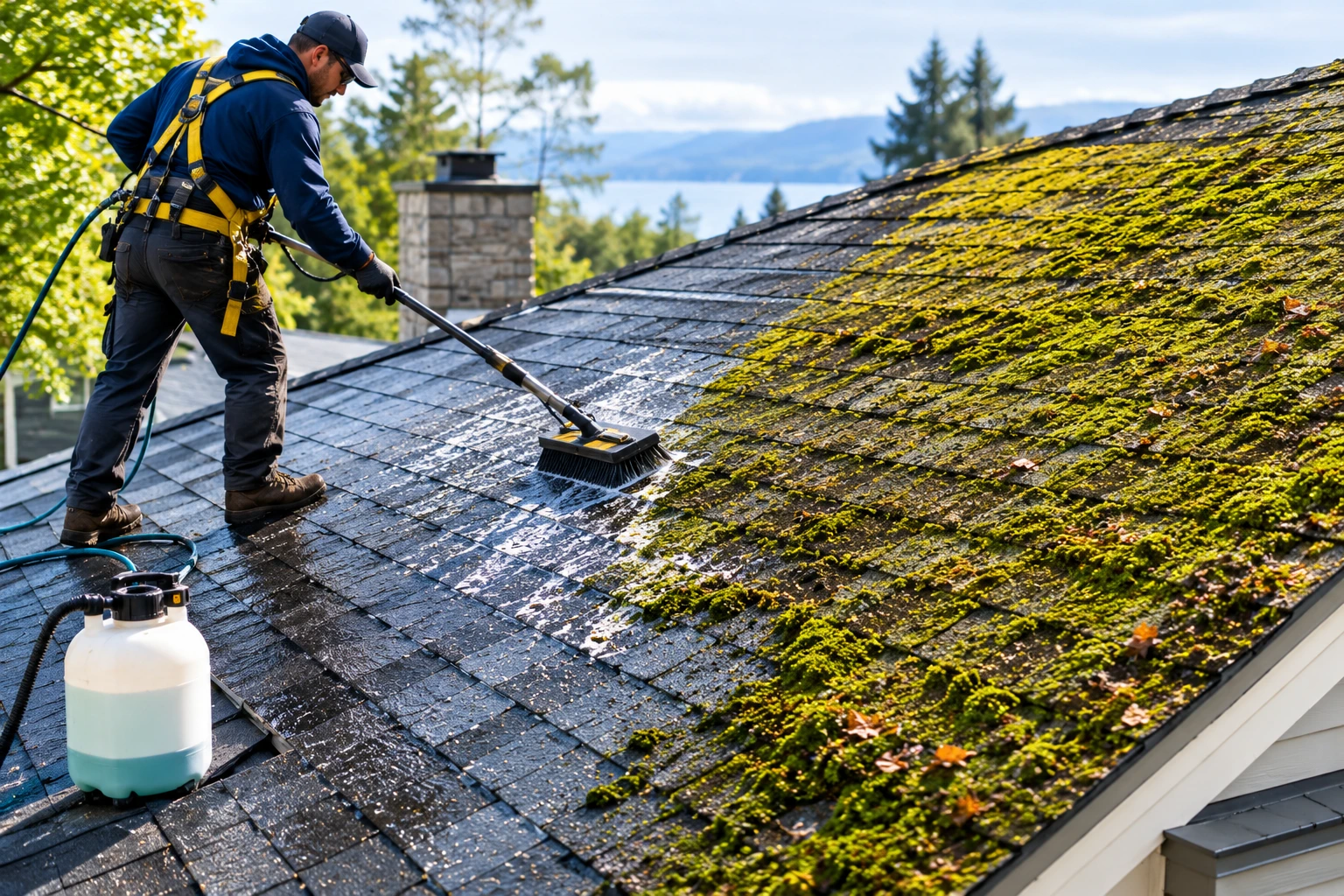
Which Maintenance Tips to Follow for Tile Roofing?
Routine maintenance is an important topic in The Complete Guide to Tile Roofing because proper care helps maximize the lifespan of tile roofing.
- Our professional inspections can identify small issues before they become expensive repairs.
- Leaves, branches, and dirt can accumulate on tile roofs and block drainage systems.
- Clogged gutters may cause water to back up onto roofing materials.
- You must replace broken tiles to help preserve roof integrity.
- Inspect the flashing, vents, and underlayment regularly to ensure they remain in good condition.
When Do You Need Roof Repairs?
Homeowners should watch for signs indicating professional roofing services may be needed.
- Leaks
- Missing tiles
- Cracked tiles
- Mold growth
- Sagging roof sections
- Water stains on ceilings
Addressing problems early often reduces repair costs and prevents structural damage.
How to Choose Top Tile Roofing Services?
Finding Top Tile Roofing Services is essential when installing, repairing, or replacing a tile roof.
- Choose contractors with extensive tile roofing experience.
- Always verify that roofing professionals hold the proper licenses and insurance coverage.
- Our roofing services use durable materials for long-term performance.
- Our contractors provide clear estimates that outline various factors.
- Material costs
- Labor expenses
- Project timelines
- Warranty information
It is essential to choose Top Tile Roofing Services to ensure your roofing investment delivers maximum value and protection.
How Much is the Tile Roofing Cost?
Several factors influence tile roofing costs. While tile roofs generally require a higher initial investment than some roofing materials, their longevity often makes them cost-effective over time.
- Material selection
- Roof size
- Roof complexity
- Labor requirements
- Structural modifications
- Geographic location
Is Tile Roofing Right for Your Home?
Tile roofing is a perfect choice if you are seeking durability, beauty, and long-term value. However, not every home is suitable for tile roofing.
- Structural capacity
- Budget
- Climate conditions
- Architectural style
- Maintenance preferences
Our roofing inspection can help determine if tile roofing is the best solution for your property.
Tile Roofing and Different Climate Conditions
One of the advantages of tile roofing is its ability to perform well in various climates. You can choose tile roofs for your dependable protection against environmental challenges year-round.
Performance in Hot Weather
Tile roofing is particularly popular in areas that experience high temperatures and prolonged sunlight. The natural thermal properties of roof tiles help reduce heat absorption, which allows homes to stay cooler during summer months. The air space beneath the tiles also creates an additional insulating layer that contributes to indoor comfort.
Resistance to Heavy Rainfall
During periods of heavy rain, the overlapping design of roofing tiles creates a protective barrier that helps prevent water penetration.
When combined with quality drainage systems and professional installation techniques. Tile roofing can provide reliable protection against moisture-related issues that often affect other roofing materials.
Wind Resistance Capabilities
Modern roofing tiles withstand strong wind conditions when installed correctly. Moreover, many tile systems are secured using specialized fasteners and installation methods to enhance stability during storms.
Property owners in regions prone to seasonal wind events often appreciate the durability and strength of tile roofing.
Architectural Styles That Pair Well with Tile Roofing
Another reason tile roofing remains popular is its versatility in complementing different home designs.
Mediterranean Homes
These are perhaps the most recognized architectural style associated with tile roofs. Curved clay tiles create the classic appearance that many homeowners admire.
Spanish-Inspired Designs
These designs frequently incorporates tile roofing due to its traditional aesthetic appeal. The warm colors and distinctive profiles of roofing tiles enhance the character of these homes.
Contemporary Residential Properties
Our roofing manufacturers offer tile products in sleek profiles and contemporary finishes. These options allow you to avail the benefits of tile roofing while maintaining a clean, modern appearance.
Luxury Estates
High-end residential properties often feature tile roofing because of its premium look and long-lasting performance. However, these material contributes to an upscale appearance that can significantly enhance curb appeal.
How Important is Tile Roof Ventilation?
Ventilation plays an important role in the long-term performance of any roofing system. With tile roofing, proper airflow helps regulate attic temperatures and reduces moisture accumulation.
- Improved energy efficiency
- Reduced risk of condensation
- Longer roof lifespan
- Better indoor comfort
- Protection against mold growth
Our roofing contractors often check the ventilation systems during inspections or when planning roof upgrades.
Which Signs Show Your Tile Roof May Need Professional Attention?
While tile roofs are known for their durability, you should remain alert to potential warning signs that indicate professional service may be necessary.
- If unexplained increases in energy bills
- When you see visible discoloration on interior ceilings
- Loose roofing materials after storms
- Water accumulation near the roof valleys
- When debris is buildup in hard-to-reach roof areas
Frequently Asked Questions
Is tile roofing worth the investment?
Tile roofing is a worthwhile investment because of its durability, long lifespan, energy efficiency, and attractive appearance.
How long does roof tile installation typically take?
The time for roof tile installation depends on various factors. Most residential tile roofing projects can take anywhere from several days to a few weeks to complete.
Can tile roofing increase a home’s resale value?
Tile roofing can improve curb appeal and may increase property value. Many homebuyers appreciate the durability, low maintenance requirements, and premium appearance that tile roofs provide.
What maintenance does a tile roof require?
Tile roofing requires periodic inspections, debris removal, gutter cleaning, and replacement of damaged tiles when necessary.
How do I choose the top tile roofing services for my project?
When you select top tile roofing services, look for experienced contractors with proper licensing, insurance, positive customer reviews, detailed estimates, and expertise in roof tile installation.





9 Comments
Really impressed with the game variety on this site. It is refreshing to find a place that actually cares about the user experience. Go give braa45 a try!
Looking for a trustworthy platform can be exhausting but this one checked all the boxes for me. Fast withdrawals and a friendly support team that replies instantly. I finally feel confident placing my bets here. bdbk11
I’ve tried many sites but this one has the best vibes. The games are fair and the payouts are quick. Loving my time at kr21casino so far!
I have tried many platforms but this one feels different. The variety of games is amazing and the support team is very helpful. Visit pkdk1947
I’ve been looking for a reliable spot to play and phrajabet818 really delivers. The interface is smooth and the payouts are fast. Highly recommend it to anyone in the PH area! phrajabet818
The bonuses are actually legit! Feeling lucky lately since I started using rich888game. Cheers!
Playing from Manila has never been this smooth and stress free. I love how the team here understands what local players enjoy and keeps updating the games accordingly. My daily routine got a huge boost in excitement and I always get paid on time. phspinph
I’ve been playing for a week and the experience has been flawless. The site loads fast and the games are very engaging. I highly suggest winph55login for all enthusiasts.
The payout process is surprisingly fast. Had a great run last night on ph91jili, highly recommend it to everyone!