
However, roof cleaning is a crucial part of home maintenance that helps protect roofing materials from algae, mold, mildew, and dirt buildup. One question many of you ask is: Do you rinse the roof after soft washing? It is essential to understand that the soft washing process can help you maintain your roof properly and extend its lifespan. Our professional roof cleaning services often leave the cleaning solution on the surface so it can continue breaking down organic growth over time.
What is the Soft Washing Process?
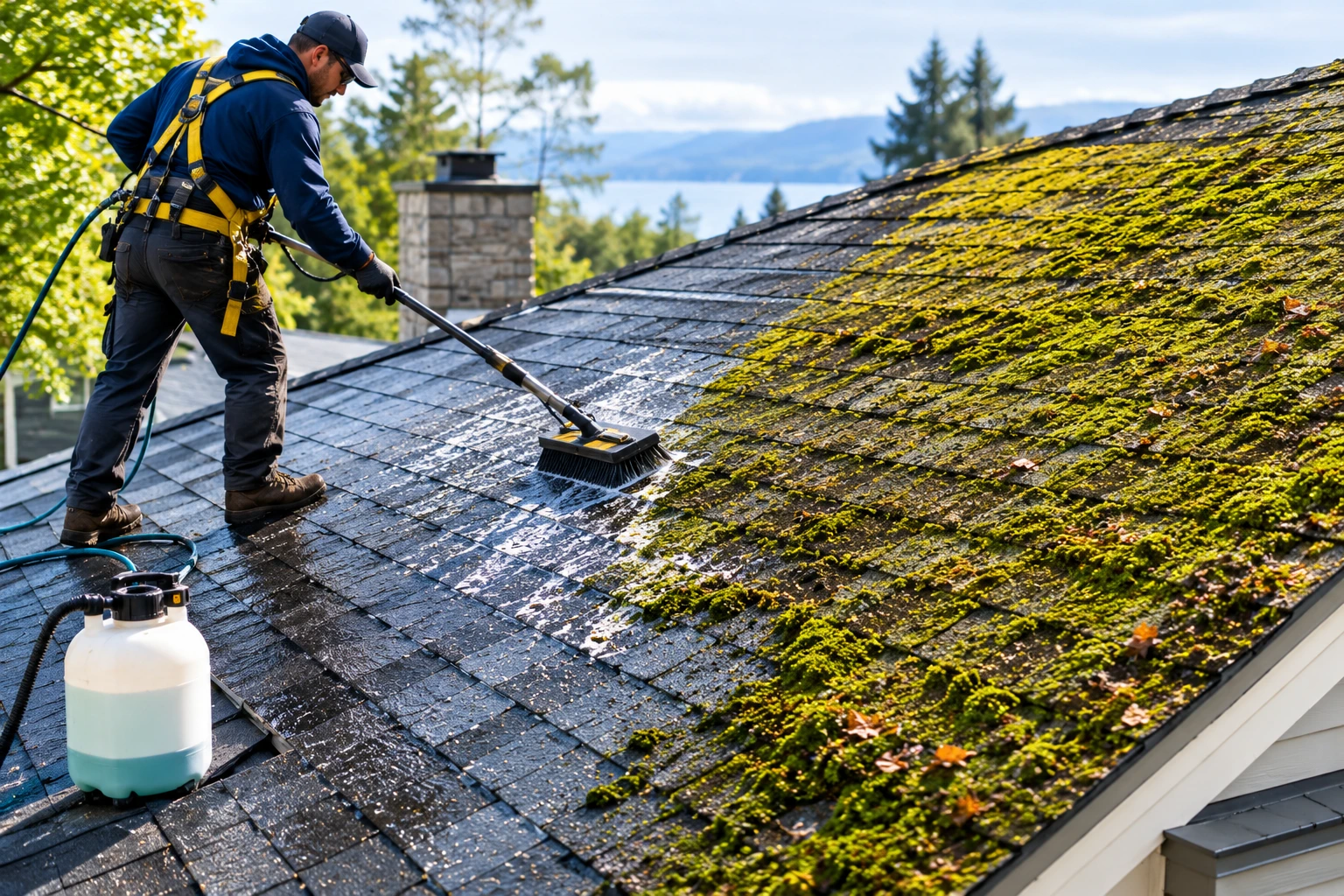
Before answering Do you rinse the roof after soft washing?, it is important to understand what soft washing is. It is a cleaning process that uses low-pressure water combined with specialized cleaning agents to remove algae, moss, mold, and other contaminants from roofing materials.
Unlike pressure washing, soft washing is gentle on shingles, tiles, and metal roofing systems. The cleaning solution does most of the work, making it a safer choice for residential roofs.
Many of you are wondering Do you rinse the roof after soft washing? They are concerned about whether chemicals remain on the roof. In many cases, the cleaning agents are designed to continue working even after application.
Do You Rinse the Roof After Soft Washing?
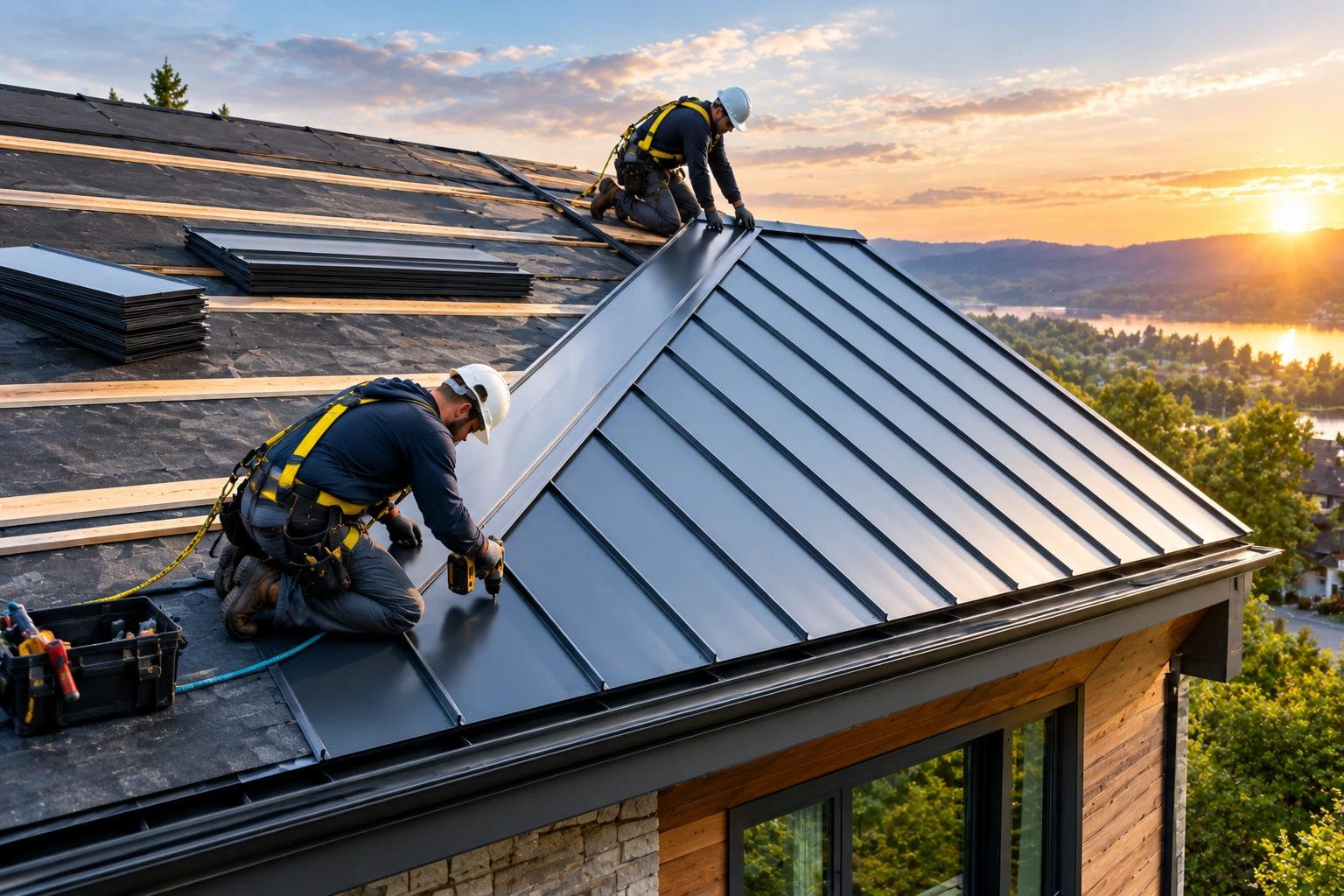
The simple answer is that a roof does not always need to be rinsed after treatment. When professionals perform soft washing, the cleaning solution is often left on the roof to maximize effectiveness.
This is because the cleaning mixture continues to kill algae spores and organic growth for several weeks after application. Rainfall eventually helps wash away dead contaminants naturally.
However, there are circumstances where rinsing may be recommended:
- Excess cleaning solution remains on the roof.
- Delicate landscaping requires protection.
- Specific roofing materials need additional care.
- Manufacturer guidelines suggest rinsing.
Benefits of Leaving the Solution on the Roof
When considering Do you rinse the roof after soft washing?, it is helpful to understand the benefits of leaving the treatment in place.
Long-Lasting Protection
The cleaning agents continue working after application, helping prevent algae and mold from returning quickly.
Improved Cleaning Results
It allows the solution to remain on the roof, providing deeper penetration into stains and organic growth.
Reduced Water Usage
Since rinsing is not always necessary, soft washing can conserve water compared to traditional cleaning methods.
Better Roof Longevity
A properly treated roof remains cleaner for longer periods, reducing maintenance needs.
What Is the Best Soft Top Cleaner?
Many of you also ask, What is the best soft top cleaner? The best cleaner depends on the roofing material and the type of contamination present.
- Remove algae and moss efficiently.
- Be safe with roofing materials.
- Minimize environmental impact
- Provide long-lasting results
Professional-grade soft wash solutions are specifically formulated to clean roofs without causing damage. When selecting, what is the best soft top cleaner? It is important to choose products designed for roof applications rather than general household cleaners.
The answer to What is the best soft top cleaner? Often comes down to using a solution that balances cleaning power with material safety.
How to Wash a Soft Top Roof?
Another common question is How to wash a soft top roof? Proper cleaning requires careful preparation and the right equipment.
Inspect the Roof
Check for damaged shingles, loose flashing, and other roofing concerns before cleaning.
Protect Landscaping
Cover plants and nearby surfaces to reduce exposure to cleaning solutions.
Apply Soft Wash Solution
Use low-pressure equipment to distribute the cleaning mixture evenly.
Allow Dwell Time
The solution requires time to break down algae, moss, and dirt.
Step 5: Optional Rinse
Depending on the cleaning method used, a rinse may or may not be necessary.
While you understand how to wash a soft top roof properly, it helps prevent accidental roof damage and ensures better cleaning results.
What Is Soft Wash Material?
Many of you are unfamiliar with the ingredients involved in roof cleaning and ask, What is soft wash material?
The term refers to the specialized cleaning solutions and equipment used during the soft washing process.
- Water
- Cleaning detergents
- Surfactants
- Algae-killing agents
- Low-pressure application equipment
Our professional contractors carefully select cleaning products depends on roof type, contamination level, and environmental considerations.
Common Myths About Soft Washing
Soft Washing Damages Roofs
In reality, soft washing is designed to protect roofing materials while effectively removing contaminants.
Rinsing Is Always Required
As discussed when answering Do you rinse the roof after soft washing?, rinsing is often optional depending on the treatment plan.
Results Are Immediate
While some improvements are visible right away, complete cleaning may continue over several weeks.
Soft Washing and Pressure Washing Are the Same
Soft washing relies on cleaning agents and low pressure, while pressure washing uses forceful water streams.
Why Professional Roof Cleaning Matters?
Roof cleaning is about more than appearance. Algae, moss, and mold can trap moisture and contribute to roof deterioration over time.
- Extend roof lifespan
- Improve curb appeal
- Prevent costly repairs
- Maintain property value
- Remove harmful organic growth
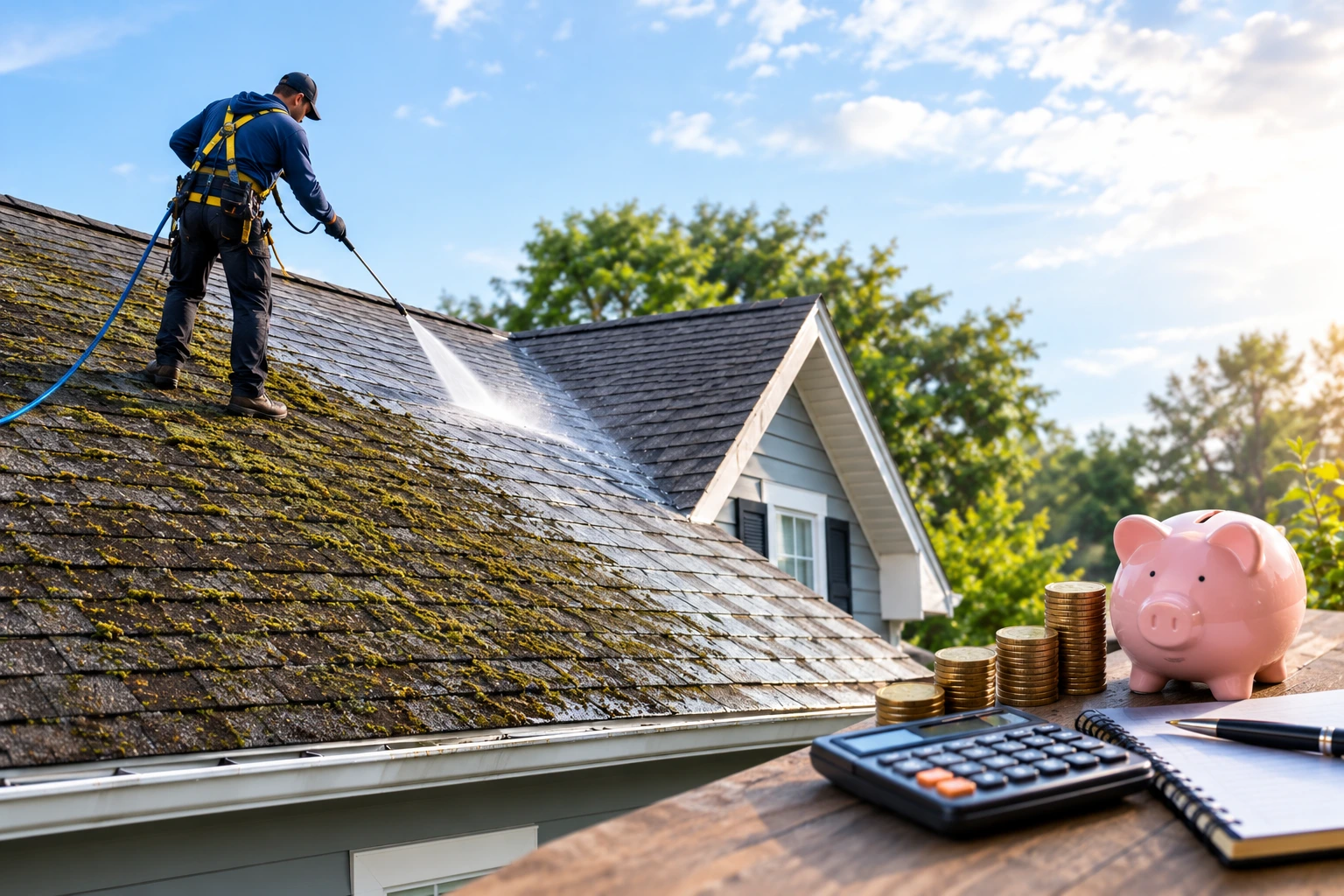
Routine maintenance can save you significant repair expenses in the future.
Conclusion
In many cases, no professional soft washing treatments remains on the roof and continue working long after application. While some situations may require rinsing, most roofs benefit from allowing the solution to break down contaminants naturally over time.
Frequently Asked Questions
Do you rinse the roof after soft washing?
Not always. Many soft wash treatments are made to remain on the roof and continue cleaning after application.
What is the best soft top cleaner?
The best soft top cleaner is a professional-grade roof cleaning solution that safely removes algae, mold, and stains without damaging roofing materials.
How to wash a soft top roof?
A soft top roof is cleaned using low-pressure equipment and specialized cleaning solutions that break down dirt and organic growth.
What is soft wash material?
Soft wash material includes water, detergents, surfactants, cleaning agents, and low-pressure application equipment used during the roof cleaning process.
How often should a roof be soft washed?
Most of the roofs get benefit from soft washing every 2–5 years, which depends on climate conditions, tree coverage, and algae growth.





11 Comments
A very trustworthy platform with a fair gaming system. I feel safe depositing here knowing the security is tight. Cheers to tk444login.
Finally a platform that feels fair and transparent. Logging in is a breeze and the gameplay is top notch. You can find it at phfairplayphlogin.
The excitement on this site is next level! I had a great run last night and the customer support was super helpful. Give f188game a try for sure.
I’ve tried a few platforms but this one feels the most intuitive. Great payouts and fast support. Give fy88com a try!
I’ve tried a few different platforms lately but this one really stands out. The interface is super smooth and the payouts are fast. Definitely recommend giving br80wim a shot!
If you love slots then you need to visit this place. The graphics are amazing and the hit rate feels very balanced. cc777slot is where it is at.
Solid platform with a great vibe. I managed to hit a decent win yesterday and the withdrawal was fast. Cheers to brvx777 for the awesome service.
I’ve tried a few platforms lately but this one really stands out. The loading speed is impressive and the interface is super friendly. Definitely my new go-to spot! phjilibey
Really impressed with the security and the way they handle transactions. Everything feels safe and professional at kratonbetkr.
Best platform I have used in the Philippines so far. The local payment options make it so much easier to manage my account. Highly recommended. bw29login
Very professional setup and the loading times are minimal. It is clear they care about the user experience. Big thumbs up for br585bet42