
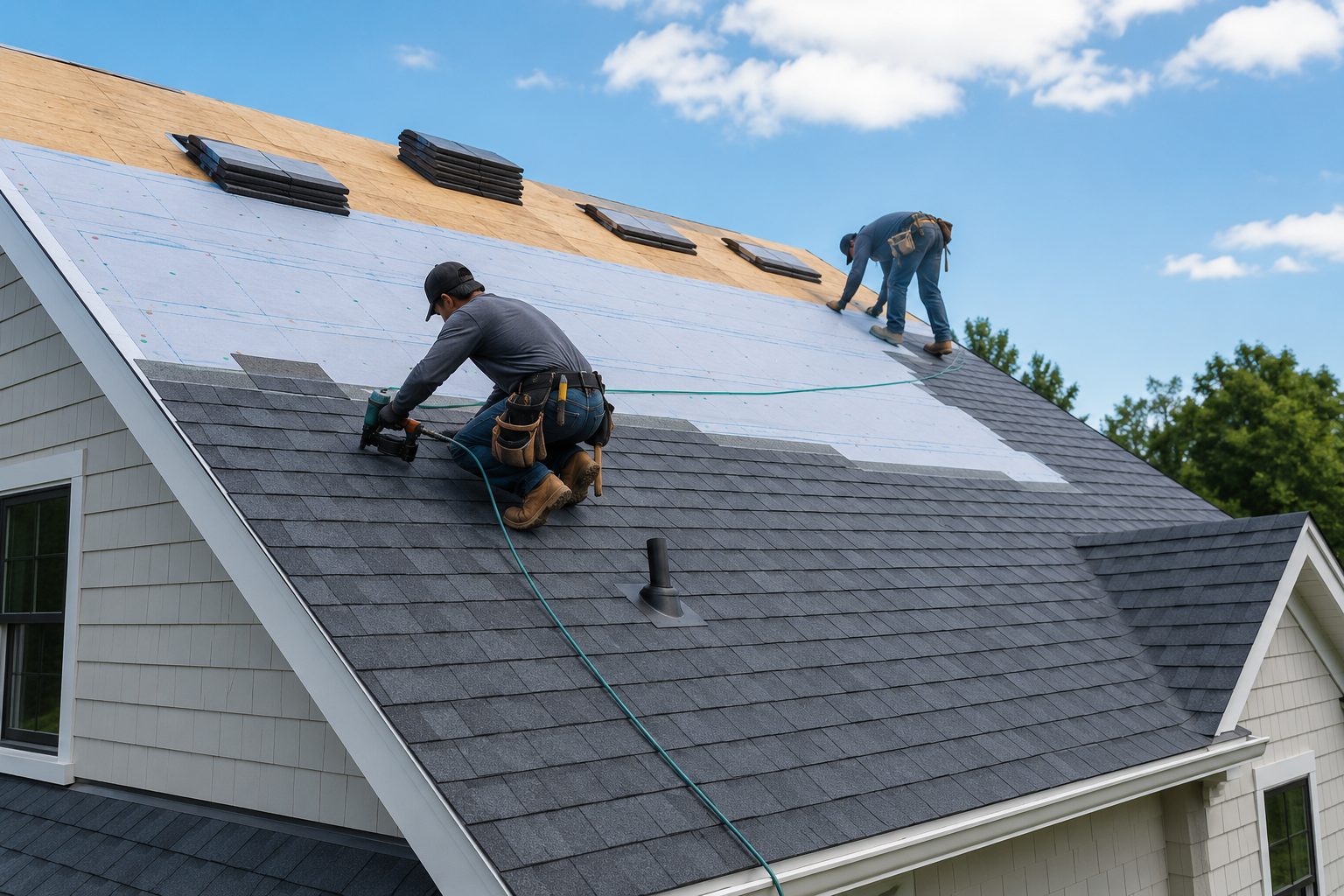
A roof is one of the most important parts of any home. It protects your property from rain, wind, heat, snow, and other environmental damage. With time, roofs can wear out due to aging materials, storm damage, or poor maintenance. When repairs are no longer enough, homeowners often start searching for information on How To Install a New Roof. It is essential to understand the roof installation process to help you make informed decisions and ensure your property remains protected for years. Suppose you are planning a residential roofing project or simply learning about roofing systems. We will explain everything you need to know about how to install a New Roof safely and correctly.
Looking for safe, efficient, and long-lasting roof installation? Reach out for affordable roofing services, fast estimates, and expert support for every roofing need.
Why Installing a New Roof Matters?
A new roof provides more than just visual appeal. Thus, it improves energy efficiency, increases property value, prevents water damage, and strengthens the structural protection.
- Missing or curling shingles
- Frequent roof leaks
- Water stains on ceilings
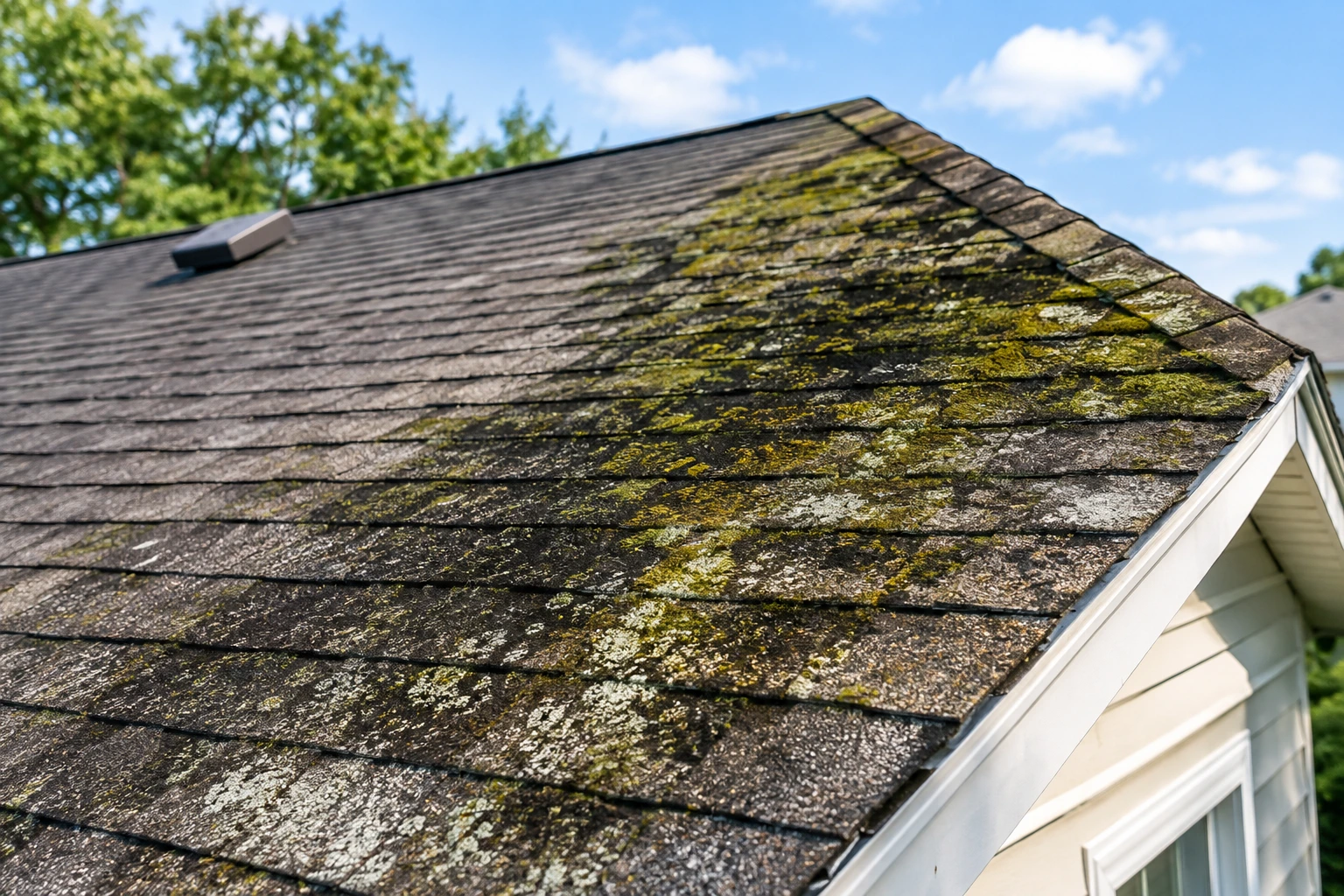
- Mold or mildew growth
- Sagging roof areas
- Granule loss on shingles
- Storm or hail damage
- Roof age over 20 years
When these issues become severe, you must learn how to install a new roof. It becomes essential for long-term property protection.
How to Prepare for Roof Installation?
Before starting a roofing project, proper preparation is necessary. Roofing installation involves safety planning, material selection, and structural evaluation.
Roof Inspection
The basic step is to inspect the existing roof to identify various factors. A detailed inspection helps determine whether a complete replacement is required.
- Damaged decking
- Weak structural areas
- Ventilation issues
- Flashing damage
- Moisture problems
Choose Roofing Materials
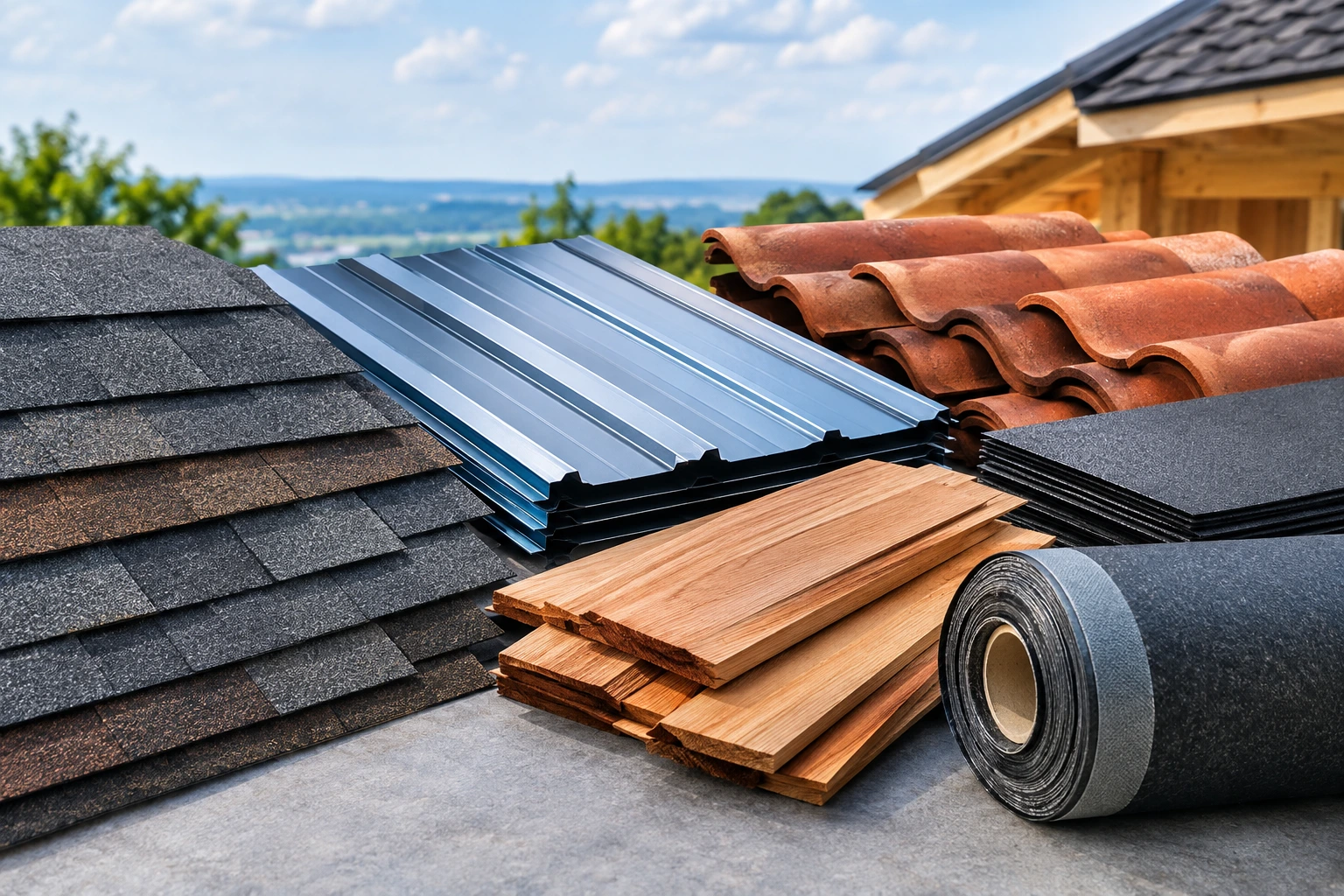
Roofing materials depend on climate, budget, and architectural style.
- Asphalt shingles
- Metal roofing
- Clay tiles
- Slate roofing
- Wood shakes
- Synthetic roofing materials
However, when you choose quality materials, it is one of the most important parts of How To Install a New Roof successfully.
Obtaining Permits
Some local areas require roofing permits before installation begins. Always verify local building regulations to avoid future issues.
Which Safety Measures to Take Before Roof Installation?
Roofing projects involve working at heights and handling heavy materials. Safety should always be the top priority.
- Wearing non-slip footwear
- Using roof harnesses
- Installing safety rails
- Wearing helmets and gloves
- Securing ladders properly
- Avoiding work during storms or high winds
It is essential to understand What are steps on a roof? It also includes learning how roofers move safely across sloped surfaces without causing accidents or damaging materials.
How to Remove the Old Roof?
One of the first major stages in How to Install a New Roof is removing the old roofing materials.
Tearing Off Existing Shingles
Old shingles are removed using roofing tools designed to lift nails and materials efficiently. This process helps reveal hidden problems such as:
- Rotten wood
- Water damage
- Mold growth
- Structural weakness
Cleaning the Roof Surface
After the old roof is removed, debris must be cleaned thoroughly to prepare for installation. A clean roof deck ensures proper adhesion and alignment of new materials.
Inspecting and Repairing Roof Decking
Roof decking serves as the foundation for roofing materials. Damaged decking must be replaced before installing a new roof.
- Soft spots
- Rotting plywood
- Cracks
- Water damage
- Loose boards
Replacing damaged decking improves roof stability and lifespan.
Installing Underlayment
Underlayment is a protective layer installed between the roof deck and roofing materials.
- Prevent moisture infiltration
- Improve waterproofing
- Protect against wind-driven rain
- Increase roof durability
Synthetic underlayment and felt paper are commonly used options.
Learning: What are the steps of installing a roof? includes understanding why underlayment is critical for leak prevention.
Installing Drip Edge
It is metal flashing installed along the roof edges.
- Directing water away from the fascia
- Preventing water damage
- Improving roof drainage
- Protecting roof edges from rot
Install Flashing Around Roof Features
Flashing protects vulnerable areas where leaks commonly occur.
- Chimneys
- Skylights
- Roof vents
- Valleys
- Plumbing pipes
Improper flashing installation can lead to major water damage over time.
How to Install Roofing Materials?
Once preparation is complete, roofers begin installing the main roofing materials.
Asphalt Shingle Installation
These are one of the common roofing materials due to affordability and durability.
- Start from the bottom edge
- Install starter shingles
- Overlap shingles correctly
- Nail shingles securely
- Continue upward in rows
Moreover, proper alignment improves weather resistance and visual appearance.
Metal Roofing Installation
Metal roofing panels are secured which uses screws and fasteners.
- Long lifespan
- Energy efficiency
- Weather resistance
- Low maintenance
Tile Roof Installation
Clay or concrete tiles require reinforced roof structures due to their weight.
- Excellent durability
- Heat resistance
- Distinct architectural style
Understanding What are the steps of installing a roof? helps you appreciate the complexity involved in different roofing systems.
Schedule your free roof inspection and get started with trusted roofing services today.
Roof Ventilation Installation
Meanwhile, with proper roof ventilation, you can improve airflow and help regulate attic temperatures.
- Ridge vents
- Soffit vents
- Gable vents
- Turbine vents
Good ventilation helps prevent
- Moisture buildup
- Mold growth
- Ice dams
- Excessive heat accumulation
Ventilation is a critical component of How To Install a New Roof properly.
Installing Ridge Caps
Ridge caps are installed along the roof peak to provide a finished appearance and additional weather protection. Ridge cap installation completes the main roofing structure.
- Seal roof ridges
- Prevent leaks
- Improve wind resistance
Why Roof Cleanup and Debris Removal are Essential?
After installation, our contractors remove roofing debris and leftover materials from the property. Thus, a clean worksite improves safety and customer satisfaction.
- Nail removal
- Dumpster disposal
- Gutter cleaning
- Magnetic sweeping for metal debris
How to Manage Roof Layers Before Installation?
Before starting a roofing project, it is important to understand the different layers that make up a complete roofing system. Each layer works together to provide protection, insulation, and durability.
- Roof decking
- Waterproof underlayment
- Ice and water shield
- Flashing
- Ventilation components
- Roofing materials
- Ridge caps
When you learn how to install a New Roof, you must understand these layers which helps you appreciate why proper installation matters for long-term performance.
Importance of Roof Measurements
Accurate measurements are one of the first steps in any successful roofing project. Our roofing professionals carefully calculate the roof’s dimensions before ordering materials.
- Number of shingles required
- Underlayment quantity
- Flashing length
- Waste factor
- Labor estimates
How to Choose the Right Roofing Color?
Roof color affects more than just appearance. It can also influence energy efficiency and overall curb appeal.
- Lighter roofs reflect sunlight and may help reduce indoor temperatures during warmer months.
- Darker roofs absorb heat and may be beneficial in colder climates.
You should choose roofing colors that complement the property’s exterior design while taking regional weather conditions into account.
How to Understand Roof Pitch and Slope?
Roof pitch means the steepness of the roof. Different roof slopes require different installation techniques and materials.
Low-Slope Roofs
Low-slope roofs may require additional waterproofing protection because water drains more slowly.
Steep-Slope Roofs
Steeper roofs allow faster water runoff but require additional safety precautions during installation.
Roof pitch also affects how roofers move across the structure. This is another reason homeowners often ask, What are the steps on a roof? Proper footing and movement are critical when working on steep roofing surfaces.
Ice and Water Shield Protection
Ice and water shields provide extra protection against moisture infiltration in vulnerable roof areas.
These protective barriers are commonly installed:
- Along the roof edges
- Around valleys
- Near chimneys
- Around skylights
Adding waterproofing is an important step in How To Install a New Roof because it helps prevent leaks from heavy rain or ice buildup.
How important are roof valleys?
Roof valleys are areas where two roof slopes meet, and handles large amounts of water runoff during storms.
- Water leaks
- Rotting wood
- Mold growth
- Structural damage
Professional roofers use specialized flashing and waterproof materials in valleys to improve drainage and leak resistance.
Understanding What are the steps of installing a roof? includes recognizing how critical roof valleys are for overall roof performance.
Why Install Chimney Flashing?
Chimneys are one of the most common areas for roof leaks. Proper flashing installation helps seal gaps between the chimney and roofing materials.
- Step flashing
- Counter flashing
- Base flashing
Correct chimney flashing installation is essential during How To Install a New Roof because even small gaps can allow water intrusion over time.
Skylight Roof Installation Considerations
Skylights improve natural lighting but require careful installation to avoid leaks. When installed correctly, skylights can improve both energy efficiency and home aesthetics.
- Proper flashing placement
- Waterproof sealing
- Correct alignment
- Adequate insulation
How Important is Roof Drainage Systems?
A roofing system is only best if water drains properly. Poor drainage leads to standing water and long-term structural issues.
- Gutters
- Downspouts
- Drip edges
- Roof slope design
Maintaining proper drainage is a major part of How To Install a New Roof successfully.
Roof Installation During Different Seasons
Roof installation can occur during various seasons, but weather conditions affect project performance.
Spring Roofing Projects
Spring offers mild, moderate temperatures, which makes it a popular roofing season.
Summer Roofing Projects
Summer allows faster installation, but extreme heat can affect roofing materials and worker safety.
Fall Roofing Projects
Fall weather is often ideal for roofing due to stable temperatures and lower humidity.
Winter Roofing Challenges
Cold weather can make shingles brittle and difficult to install correctly.
Homeowners should discuss seasonal considerations before scheduling roof replacement.
Signs of Poor Roof Installation
Even new roofs can develop problems if installed incorrectly. Homeowners should watch for warning signs after installation.
- Uneven shingles
- Water stains inside the home
- Loose flashing
- Poor ventilation
- Sagging roof sections
- Exposed nails
Understanding What are the steps of installing a roof? helps you recognize quality workmanship and avoid future problems.
Roofing Nails and Fasteners
Roofing nails may seem like a small detail, but they are essential for properly securing materials.
- Corrosion resistant
- Correctly sized
- Properly placed
- Suitable for weather conditions
Incorrect nail placement can cause shingles to loosen during strong winds or storms.
Roof Expansion and Contraction
Roofing materials naturally expand and contract due to temperature changes.
Proper installation techniques allow materials to move safely without causing:
- Cracking
- Warping
- Buckling
- Water penetration
This is another important factor when learning how to install a New Roof for long-term durability.
Energy-Efficient Roofing Technologies
Modern roofing systems improves the energy performance.
- Reflective shingles
- Cool roofing systems
- Solar roofing materials
- Enhanced attic ventilation
Energy-efficient roofs may help reduce utility bills and improve indoor comfort throughout the year.
Understand the Roof Lifespan
Different roofing materials have varying life expectancies.
- Asphalt shingles last 20–30 years.
- Metal Roofs lasts 40–70 years with proper maintenance.
- Slate Roofs may last over 100 years.
- Tile roofs provide several decades of durability.
Knowing material lifespan is an important part of planning How To Install a New Roof effectively.
Emergency Roof Protection During Installation
Unexpected weather can occur during roof replacement projects. Roofers often use temporary coverings to protect exposed areas.
- Heavy-duty tarps
- Waterproof barriers
- Temporary sealing materials
These precautions help prevent interior water damage if weather conditions suddenly change.
Why Inspect the Roof After Storms?
After severe storms, you should inspect your roofs for damage. Thus, routine inspections help you to identify small issues before they become expensive repairs.
- Missing shingles
- Hail damage
- Flashing separation
- Water infiltration
- Debris impact
Frequently Asked Questions
How long does it take to install a new roof?
The required time depends on the roof size, weather conditions, and roofing material. Most residential roofing projects are completed within one to several days.
What are the steps of installing a roof?
The process usually includes removing old roofing materials, inspecting decking, installing underlayment, adding flashing, placing shingles or roofing panels, and completing ventilation and ridge cap installation.
What are steps on a roof?
This can refer to safe movement techniques roofers use while working on sloped surfaces, including using roof brackets, safety harnesses, and walking carefully along secure areas of the roof.
What is the best roofing material for a home?
The best roofing material depends on your budget, climate, and design preferences. Thus, asphalt shingles, metal roofing, tile roofs, and slate roofs are all popular choices.
Why is professional roof installation important?
Our professional roofing installation helps ensure proper waterproofing, ventilation, flashing placement, and structural safety. Experienced roofers also help prevent leaks, poor workmanship, and future repair costs.
Contact our team today for reliable roof replacement and professional guidance for your home.





1 Comment
Really impressed with the welcome offer. It gave me a great start to explore all the different slots available. Cheers to phjili12345
Your comment is awaiting moderation.
https://shorturl.fm/Q7g7P
Your comment is awaiting moderation.
https://shorturl.fm/1T0Ib
Your comment is awaiting moderation.
https://shorturl.fm/RZSXw
Your comment is awaiting moderation.
https://shorturl.fm/Pqvvu