Keeping your roof clean is essential to maintain your home’s structural integrity, appearance, and value. Many of you often ask, How do you clean a roof? The answer involves more than just spraying water; it requires the right techniques, tools, and safety measures to avoid damage. Contact us to know: how do you clean a roof, how often roof cleaning should be done, and how much it typically costs. If you are considering a DIY approach or hiring professionals, our guide will help you make informed decisions.
Why Roof Cleaning Is Important
Your roof gets exposed to extreme weather conditions, dirt, debris, algae, moss, and mold. With time, these elements weakens roofing materials and lead to costly repairs.
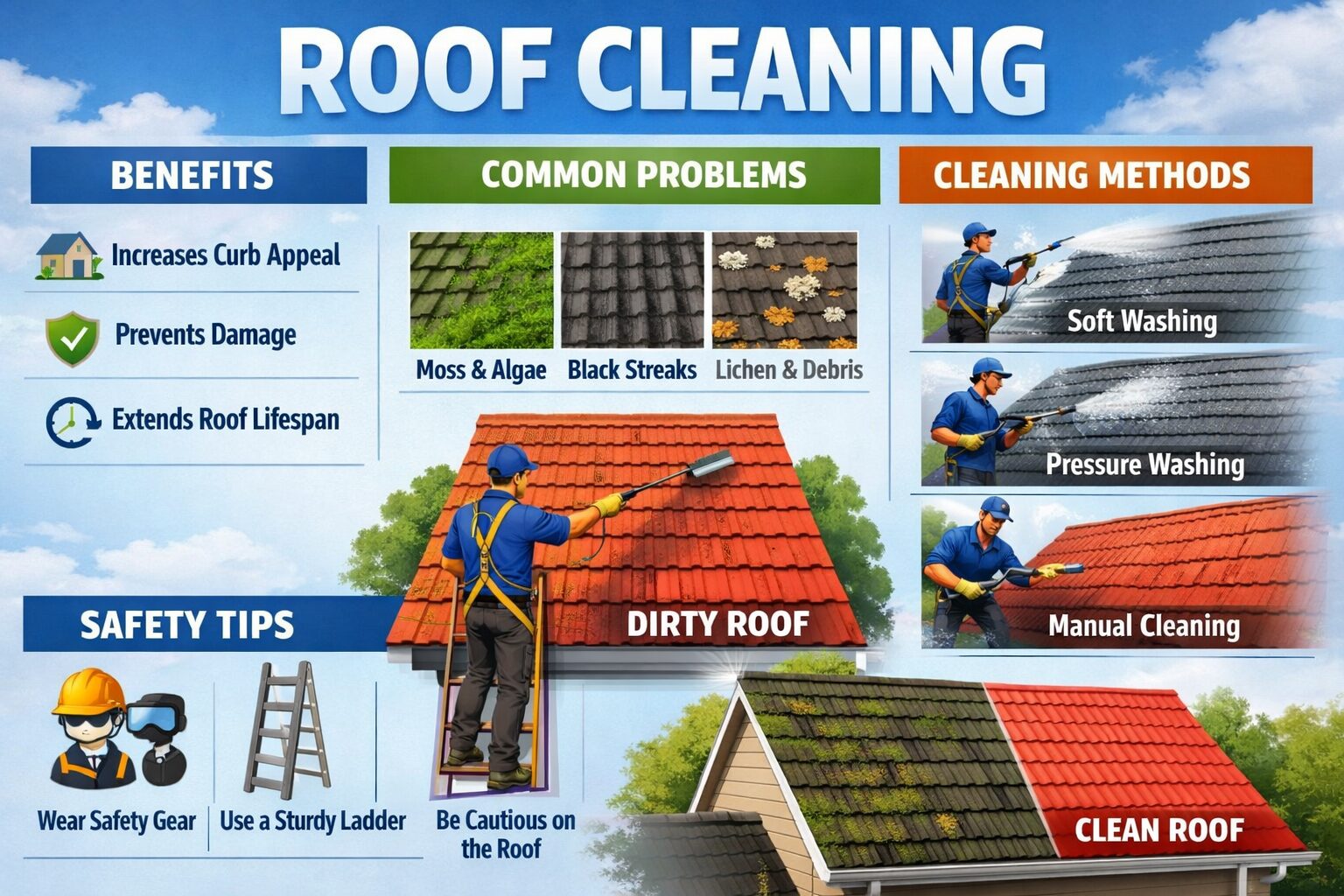
Benefits of roof cleaning include:
- Extending the lifespan of your roof
- Preventing water damage and leaks
- Improving curb appeal
- Enhancing energy efficiency
Understanding how do you clean a roof properly can save you money and prevent from long-term damage.
How Do You Clean a Roof?
When asking how do you clean a roof, it is important to choose the right method based on your roof type and condition.
Inspect the Roof
Before starting, inspect your roof carefully. This step ensures you do not worsen any existing issues during cleaning.
- Broken or missing shingles
- Signs of moss or algae growth
- Clogged gutters
- Weak spots or leaks
Gather the Right Tools and Materials
To properly answer how do you clean a roof, you need the right equipment. Using proper tools reduces the risk of damage and improves cleaning efficiency.
- Safety harness and non-slip shoes
- Garden hose or low-pressure washer
- Soft-bristle brush
- Cleaning solution (roof-safe detergent)
- Ladder with stabilizer
Choose the Right Cleaning Method
Different roofs require different cleaning techniques.
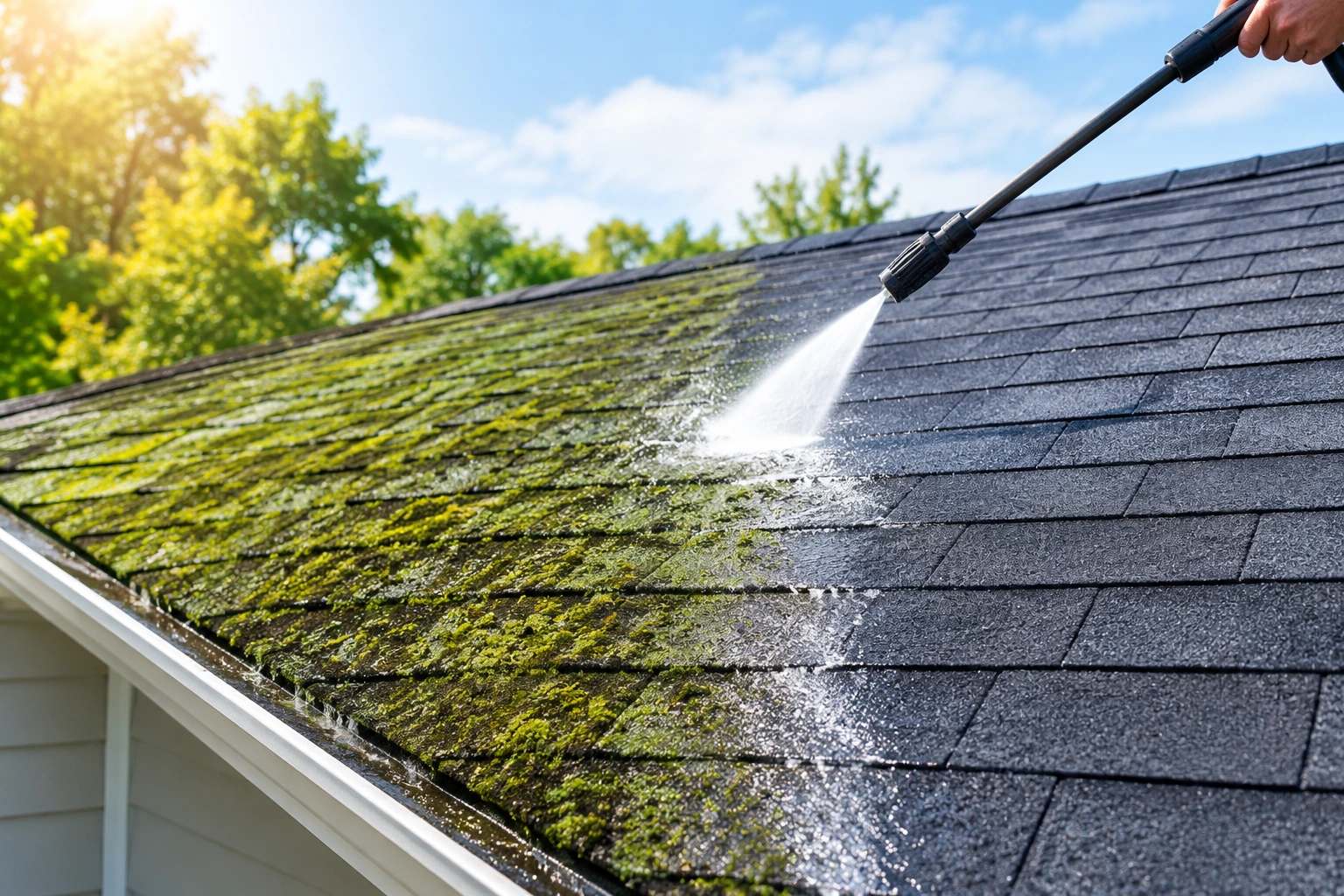
Soft Washing (Recommended)
Soft washing is the safest and effective method.
- Uses low-pressure water
- Applies eco-friendly cleaning solutions
- Removes algae, mold, and dirt
This method is suitable for asphalt shingles and delicate roofing materials.
Pressure Washing (Use with Caution)
Pressure washing can remove tough stains but may damage shingles if not done correctly. Improper use can strip protective layers, so caution is essential.
- It is suitable for durable materials like metal or concrete
- You must avoid high pressure on asphalt roofs
Manual Cleaning
For small areas, manual cleaning works well. This method is time-consuming but safe for minor cleaning tasks.
- Use a soft brush
- Gently scrub affected areas
- Rinse with water
Apply Cleaning Solution
A key part of how do you clean a roof is using the right solution.
Common mixture:
- Water
- Mild detergent or specialized roof cleaner
- Optional bleach solution for algae removal
Apply the solution evenly and allow it sit and break down for 15–20 minutes for dirt and organic growth.
Rinse Thoroughly
After the solution has done its job.
- Rinse using low-pressure water
- Ensure no residue is left behind
- Avoid directing water under shingles
Clean Gutters and Downspouts
Roof cleaning is not complete without clearing your gutters. This step helps prevent water buildup and future roof issues.
- Remove leaves and debris
- Flush with water
- Ensure proper drainage
What are the Safety Tips for Roof Cleaning?
Roof cleaning can be dangerous if proper precautions are not taken. If you are unsure about how do you clean a roof safely, hiring professionals is the best option.
Follow these safety tips:
- Always use a safety harness
- Avoid working on wet or slippery surfaces
- Use a sturdy ladder
- Work with a partner if possible
How Often Should You Clean Your Roof?
A common question homeowners ask is, How often should you clean your roof?
The answer depends on several factors.
- Climate and weather conditions
- Presence of trees and debris
- Type of roofing material
General Guidelines:
- Every 1–2 years for most homes
- Annually in humid or rainy climates
- More frequently if moss or algae growth is visible
Regular maintenance makes sure your roof stays in good condition and prevents costly repairs.
Which Signs Show Your Roof Needs Cleaning?
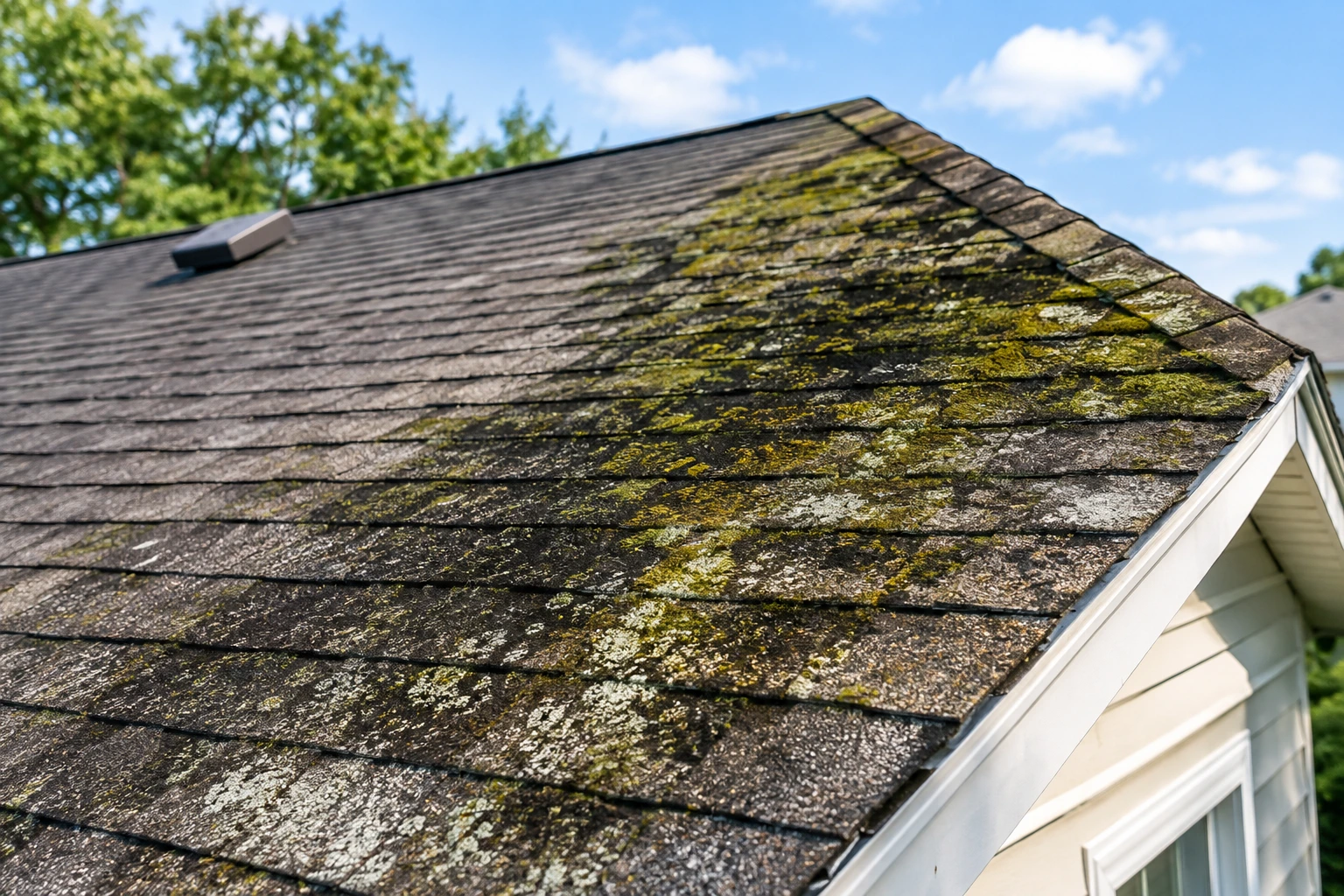
Not sure when to clean your roof? Look for these signs which helps you act before damage occurs.
- Black streaks or stains
- Moss or algae growth
- Accumulated debris
- Water pooling or drainage issues
How Much Does It Cost to Have a Roof Cleaned?
Another frequently asked question is, How much does it cost to have a roof cleaned?
Average Costs
- Small roof: $250 – $400
- Medium roof: $400 – $700
- Large roof: $700 – $1,000+
Factors Affecting Cost
- Roof size and pitch
- Level of dirt or damage
- Cleaning method used
- Accessibility
Professional cleaning may seem expensive, but it can save you money by preventing repairs.
What are the DIY and Professional Roof Cleaning?
When considering how do you clean a roof, you may wonder whether to do it yourself or hire experts.
DIY Cleaning
Pros
- Lower cost
- Flexible schedule
Cons
- Safety risks
- Potential for roof damage
- Time-consuming
Professional Cleaning
Pros
- Safe and efficient
- Proper equipment and expertise
- Long-lasting results
Cons
- Higher upfront cost
For most homeowners, professional cleaning is the safer and more effective option.
Best Time of Year to Clean Your Roof
Timing plays an important role in roof maintenance. However, choosing the right time improves results and safety.
Ideal Seasons
- Spring: Remove winter debris
- Fall: Prepare for colder months
Avoid cleaning during:
- Extreme heat
- Rainy or windy conditions
What are the Preventative Maintenance Tips?
Once you understand how do you clean a roof, maintaining it becomes easier. Thus, preventative care reduces the need for frequent deep cleaning.
- Trim overhanging branches
- Install zinc or copper strips for preventing algae
- Clean gutters regularly
- Schedule routine inspections
Which Factors to Consider for Environmental Solutions?
Roof cleaning solutions can impact plants and surrounding areas. Thus, eco-friendly practices protect your home and the environment. To minimize environmental impact, you can use certain features.
- Use biodegradable cleaners
- Cover plants during cleaning
- Rinse landscaping afterward
Which Mistakes to Avoid for Cleaning Roof?
Avoid these mistakes when learning how do you clean a roof. These errors can lead to costly damage and repairs.
- Using high-pressure washing on delicate materials
- Ignoring safety precautions
- Using harsh chemicals
- Skipping inspections
Soft Wash Treatments for Algae and Moss Prevention
Soft washing is not just a cleaning method—it also acts as a preventative treatment.
- Specialized solutions kill algae and moss at the root
- Prevent regrowth for months or even years
- Safe for shingles and delicate roofing materials
Applying a treatment after cleaning ensures your roof stays cleaner for longer and reduces maintenance frequency.
What is the Importance of Roof Sealants After Cleaning?
Once your roof is clean, applying a protective sealant can enhance its lifespan. Sealants are especially useful in regions with extreme weather conditions.
- Adds a protective layer against moisture
- Reduces UV damage
- Prevents dirt buildup
- Enhances overall appearance
How to Clean Roof of Different Roof?
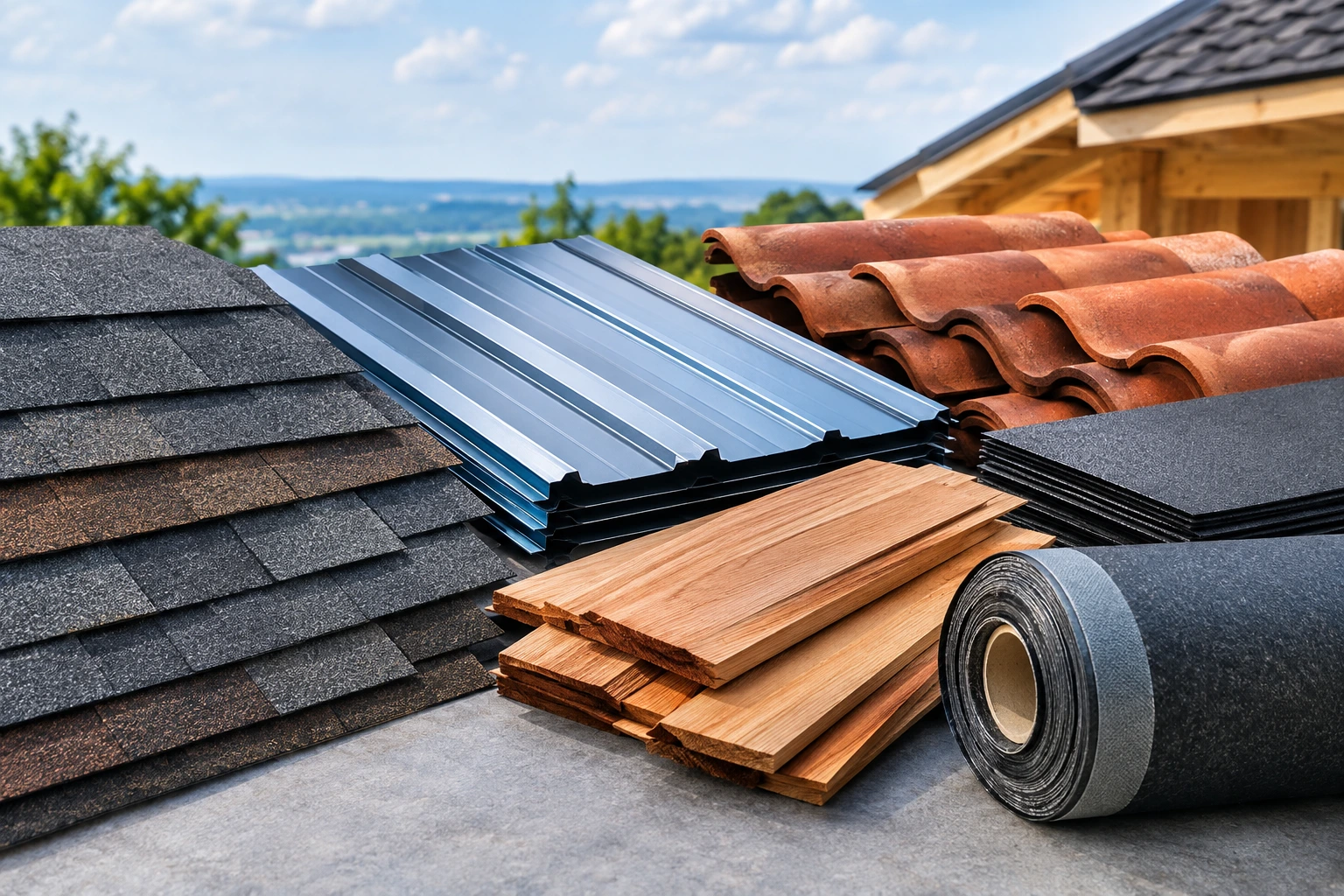
Every roofing material requires a specific cleaning approach. Moreover, you must know the differences is essential when learning how do you clean a roof effectively. Choosing the right technique ensures your roof remains intact and damage-free.
Asphalt Shingle Roofs
- Use low-pressure soft washing
- Avoid aggressive scrubbing
- Use algae-resistant solutions
Metal Roofs
- It can handle moderate pressure washing
- Use non-abrasive cleaners
- Rinse thoroughly to prevent streaking
Tile Roofs
- Fragile and prone to cracking
- Walk carefully or avoid walking entirely
- Use gentle cleaning solutions
Wood Shingles or Shakes
- It require mild cleaning solutions
- Avoid excessive moisture
- Regular maintenance is crucial
Weather Conditions and Their Impact on Roof Cleaning
Weather has a crucial role in roof maintenance and cleaning effectiveness. However, you can plan your cleaning around weather conditions to ensure better results.
Suitable Conditions
- Mild temperatures
- Low humidity
- Overcast skies
Conditions to Avoid
- Direct sunlight (can dry cleaning solutions too quickly)
- Rain (reduces effectiveness of cleaning agents)
- Strong winds (safety hazard)
How Roof Cleaning Improves Energy Efficiency?
A clean roof can actually help reduce your energy bills. This is particularly important in warmer climates where heat absorption can significantly increase cooling costs.
- Removes dark stains that absorb heat
- Reflects more sunlight
- Keeps indoor temperatures stable
What is the Role of Professional Inspections?
After cleaning, our professional inspection can help identify the underlying issues. Moreover, you must combine cleaning with inspection ensures your roof remains in optimal condition.
- Hidden leaks
- Structural weaknesses
- Damaged shingles or tiles
- Ventilation issues
How to Understand Roof Cleaning Frequency by Region?
Different climates require different maintenance schedules. Adapting your cleaning schedule to your environment is essential for maintaining roof health.
Humid Regions
- Clean every 6–12 months
- Higher risk of algae and mold
Dry Regions
- Clean every 2–3 years
- Dust and debris are main concerns
Cold Regions
- Inspect after winter
- Remove snow and ice buildup carefully
Which Tips to Follow for Cost-Saving of Roof Cleaning?
If you are concerned about expenses, there are ways to reduce costs without compromising quality. These strategies can help you manage the overall cost effectively.
- Schedule cleaning during off-peak seasons
- Bundle services like gutter cleaning
- Maintain your roof regularly to avoid heavy cleaning
What is the Impact of Neglecting Roof Cleaning?
Ignoring roof maintenance can lead to serious consequences.
- Water leaks and structural damage
- Mold growth inside the home
- Increased repair costs
- Reduced property value
Regular cleaning is a small investment in comparison to the cost of major repairs.
What are the Tools and Innovations in Roof Cleaning?
Modern technology has made roof cleaning safer and more efficient. These advancements improve cleaning results while reducing risks.
- Extendable cleaning tools
- Low-pressure spray systems
- Eco-friendly chemical applicators
What is the Seasonal Roof Cleaning Checklist?
Maintaining a clean roof year-round becomes easier when you follow a seasonal checklist. However, each season brings unique challenges, and addressing them proactively helps preserve your roof’s condition.
Spring Maintenance
Spring is a suitable time to refresh your roof and prepare it for warmer months.
- Remove debris left behind from winter
- Check for moss or algae growth
- Inspect shingles for damage caused by cold weather
Summer Care
Regular checks during summer help maintain energy efficiency and prevent long-term wear.
- Look for signs of heat damage or discoloration
- Ensure proper ventilation to prevent overheating
- Clean any dust or dirt buildup
Fall Preparation
Fall maintenance is crucial to prevent clogging and water accumulation during the rainy season.
- Clear leaves and organic debris
- Clean gutters to avoid blockages
- Trim overhanging branches
Winter Precautions
Winter care focuses more on prevention and monitoring rather than active cleaning.
- Monitor for ice buildup or snow accumulation
- Avoid heavy cleaning during freezing conditions
- Schedule inspections if needed
Are There Benefits of Regular Roof Cleaning for Long-term?
While consistent maintenance offers several long-term advantages. A clean roof not only enhances the look of your home but also protects its structural integrity.
- It reduces the risk of costly repairs
- Extends the lifespan of roofing materials
- Improves drainage and prevents leaks
- Maintains property value over time
While you follow a seasonal approach and staying consistent, you can ensure your roofs remain durable, efficient, and visually appealing for years to come.
Conclusion
Maintaining your roof does not have to be complicated. By understanding advanced techniques and following proper maintenance practices, you can keep your roof in perfect condition for years. By applying these strategies, you will have a clear and practical understanding of how do you clean a roof while ensuring long-lasting protection for your home.
- Use the right cleaning method for your roof type
- Follow a regular maintenance schedule
- Prioritize safety at all times
- Consider professional help when needed
Frequently Asked Questions
Can roof cleaning help prevent leaks?
Regular roof cleaning removes debris and buildup that can trap moisture, which helps prevent water from seeping under shingles and causing leaks.
Is it safe to walk on the roof while cleaning it?
It depends on the roof type and pitch. Some roofs can be walked on carefully, but others are fragile or steep, which makes it safer to use proper equipment or hire professionals.
What is the best time of day to clean a roof?
The best time is early morning or late afternoon, as temperatures are lower and cleaning solutions won’t dry too quickly, allowing better results.
How roof cleaning can improve home resale value?
A clean and well-maintained roof enhances curb appeal and signals proper maintenance to potential buyers, which can positively impact resale value.
Will cleaning remove all stains from my roof?
Most stains caused by dirt, algae, and moss can be removed, but some deep or long-term discoloration may not completely disappear depending on the roof material and condition.





3 Comments
I’ve tried a few sites but this one is actually smooth. The games load fast and the payouts are fair. Definitely my new go-to spot for some fun!
The atmosphere of the games feels so authentic. It is like being in a real casino from the comfort of my home. Visit phrabetcasino.
Logging in is a breeze and the security feels top notch. I feel safe playing my favorites here. Try jljl33casinologin today.