Your roof is one of the most important parts of your home, protecting against rain, wind, sunlight, and changing weather conditions. If you are building a new house or replacing an aging roof, you must understand What Is Residential Roof Installation? It can help you make informed decisions about your property. A professionally installed roof not only enhances curb appeal but also improves energy efficiency, structural integrity, and long-term value.
Understanding What Is Residential Roof Installation?
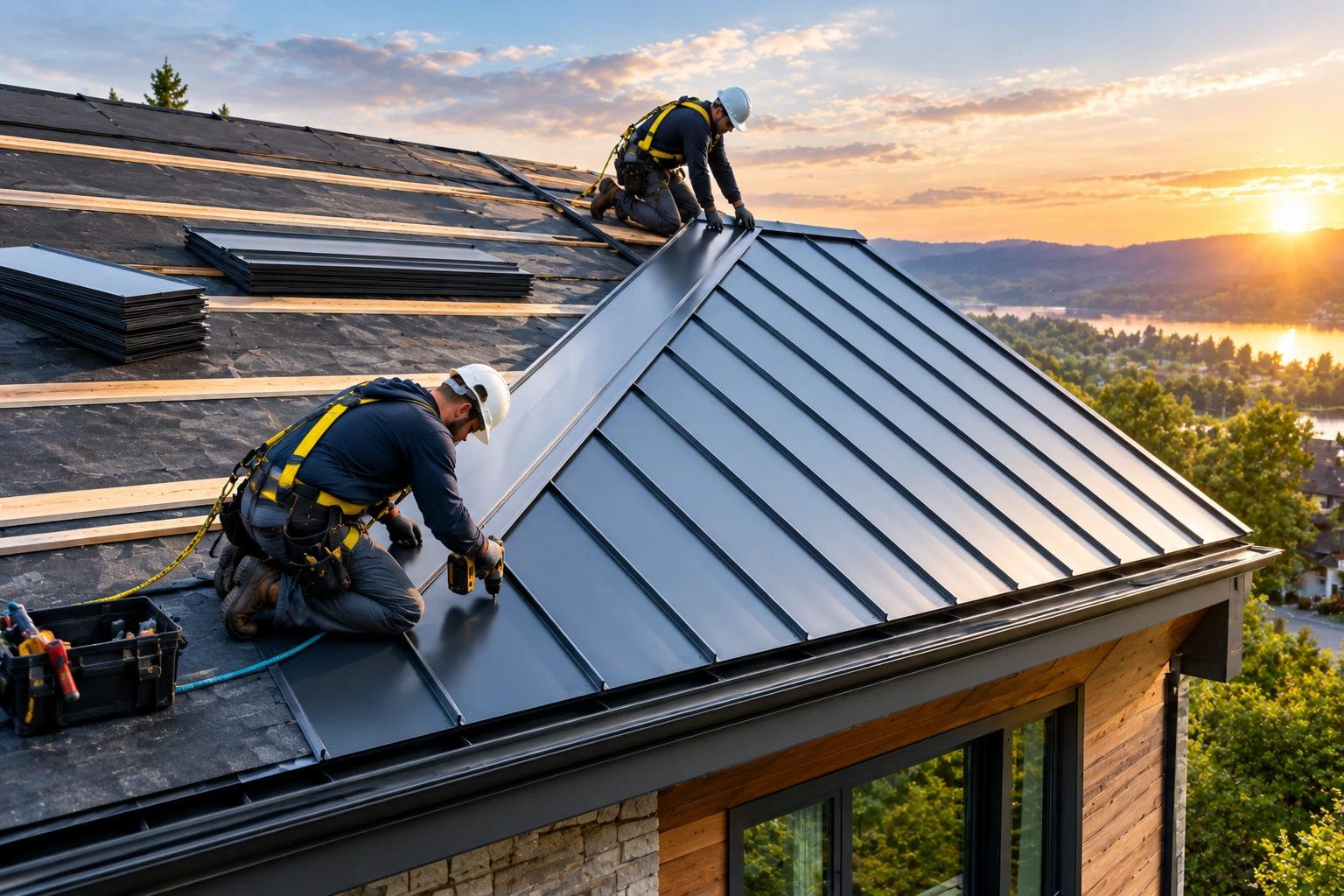
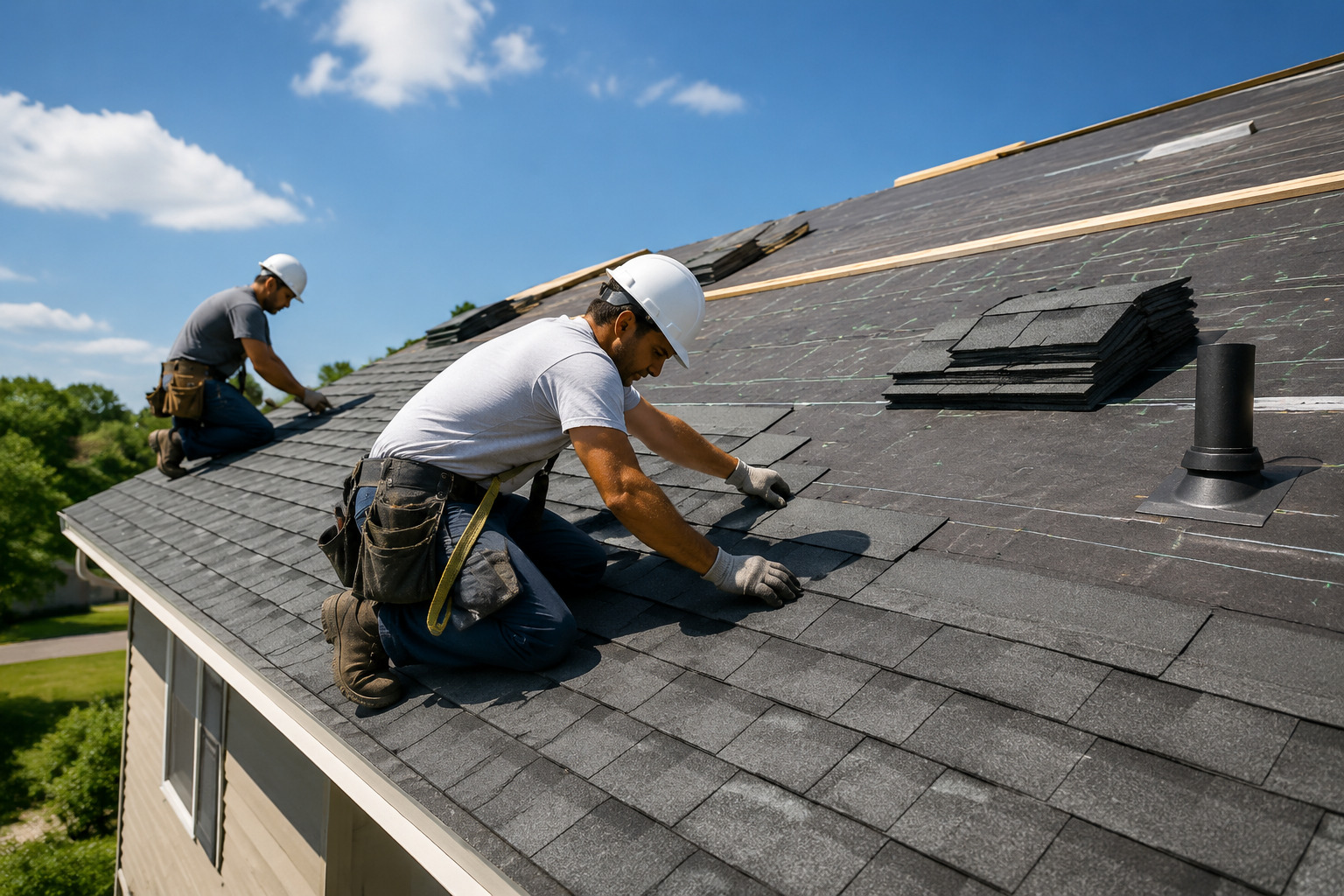
So, what Is Residential Roof Installation? It is the process of installing a completely new roofing system on a residential property. This may involve installing a roof on a newly constructed home or replace an existing roof that has reached the end of its lifespan.
- Roof decking
- Underlayment
- Ice and water barrier (where required)
- Flashing
- Roofing material (asphalt shingles, metal panels, tile, etc.)
- Ridge caps
- Roof vents
- Gutters and drainage components
Each component works together to protect your home from moisture intrusion while improving durability and energy performance.
When Does a Home Need Roof Installation?
There are several situations where a new residential roof installation becomes necessary.
New Home Construction
A newly built house requires a complete roofing system before it is ready for occupancy.
Aging Roof
Most roofing materials have a limited lifespan. If your roof has reached its expected service life, replacement may be more cost-effective than repeated repairs.
Severe Storm Damage
High winds, hail, falling trees, and heavy storms can significantly damage a roof. If the damage is extensive, installing a new roof may be the safest solution.
Persistent Leaks
If there are frequent leaks despite multiple repairs, it indicates widespread roofing deterioration that requires a complete replacement.
Structural Damage
Water intrusion weakens the roof deck and supporting structures, which makes a full roof installation necessary.
Are There Benefits of Residential Roof Installation?
It is essential to install a new roof that offers numerous long-term advantages for homeowners.
Improved Weather Protection
A professionally installed roof creates a strong barrier against rain, snow, wind, and UV exposure.
Better Energy Efficiency
Modern roofing materials and ventilation systems help regulate indoor temperatures, reducing heating and cooling costs.
Enhanced Home Value
A new roof improves the appearance of your property and can increase its market value.
Reduced Maintenance
New roofing systems typically require fewer repairs and less ongoing maintenance compared to aging roofs.
Increased Safety
You can replace damaged roofing components, which helps prevent structural issues and reduces the water damage risks inside the home.
What is the Residential Roof Installation Process?
Understanding the Step-by-Step Residential Roof Installation Process helps you know what to expect during the project.
Roof Inspection
The process begins with a detailed inspection of the existing roof.
- Roof condition
- Structural integrity
- Decking quality
- Ventilation
- Flashing
- Moisture damage
This assessment determines the scope of work required.
Material Selection
Your choice of roofing materials depends on certain factors.
- Budget
- Climate
- Appearance
- Durability
- Energy efficiency
- Maintenance requirements
Popular residential roofing materials are asphalt shingles, metal roofing, clay tiles, concrete tiles, and architectural shingles.
Remove the Existing Roof
To expose the roof deck, the old roofing materials are removed. This step allows our contractors to inspect the decking for hidden damage before installing new materials.
Repair the Roof Deck
Damaged or weakened decking is repaired or replaced to create a strong foundation for the new roof.
A solid roof deck is essential for long-lasting performance.
Install Underlayment
Over the roof deck, a waterproof underlayment is installed to offer additional moisture protection beneath the roofing material.
In vulnerable areas, extra waterproof barriers may also be added.
Install Flashing
Flashing is placed around roof penetrations.
- Chimneys
- Skylights
- Roof vents
- Valleys
- Walls
Proper flashing prevents water from entering these critical areas.
Install the Roofing Material
You can install the selected roofing material according to manufacturer specifications and local building codes. Moreover, each section is carefully aligned and securely fastened for maximum durability.
Ventilation Installation
With proper attic ventilation helps regulate moisture and temperature, which extends the life of the roofing system while improving energy efficiency.
Ridge Cap Installation
These caps are installed along the roof peak to provide additional weather protection and create a finished appearance.
Final Inspection and Cleanup
To ensure proper installation, the project concludes with an inspection. All debris, nails, and leftover materials are removed from the property, which leaves the site clean and safe.
How to Prepare Your Home for Roof Installation?
It is essential to know how to Prepare Your Home for roof installation to make the process smoother and safer.
Clear the Driveway
Move vehicles away from the work area to provide space for roofing materials, equipment, and debris removal.
Protect Items Inside Your Home
Roof installation creates vibrations that may affect items hanging on walls.
- Picture frames
- Mirrors
- Decorative shelves
- Fragile attic storage
Trim Nearby Trees
If branches are hanging over the roof, they should be trimmed to provide easier access and improve worker safety.
Cover Valuable Landscaping
Flowers, shrubs, and garden furniture can be protected with temporary coverings during construction.
Inform Family Members
Roof installation generates noise throughout the day. Let family members know the expected work schedule.
Keep Children and Pets Safe
Create a safe indoor area for children and pets while roofing work is in progress.
Provide Easy Access
Ensure gates are unlocked, and pathways remain clear so workers can move materials safely.
Plan for Noise
Roof replacement involves hammering, equipment, and material movement. If you work from home, consider making temporary arrangements during active installation hours.
How to Choose Quality Roofing Materials?
You must select the right roofing material, as it has a major role in long-term performance and can help determine the most suitable option for your home’s needs.
- Local climate
- Roof slope
- Budget
- Maintenance expectations
- Wind resistance
- Fire resistance
- Manufacturer warranty
- Energy efficiency
Frequently Asked Questions
What do you mean by residential roof installation?
Residential roof installation is the process of installing a new roofing system on a home. It includes preparing the roof deck, installing underlayment, flashing, roofing materials, ventilation, and finishing components.
How do I prepare my home for roof installation?
You need to clear your driveway, protect fragile items inside your home, trim overhanging tree branches, cover landscaping, keep children and pets indoors, and ensure contractors have easy access to the work area.
How long does a residential roof installation take?
The time depends on factors such as home size, the roofing material, weather conditions, and the project complexity. The residential roof installations are completed within one to several days.
What are the benefits of installing a new residential roof?
A new residential roof offers several benefits, which includes improved weather protection, better energy efficiency, enhanced curb appeal, increased property value, and reduced maintenance costs.