
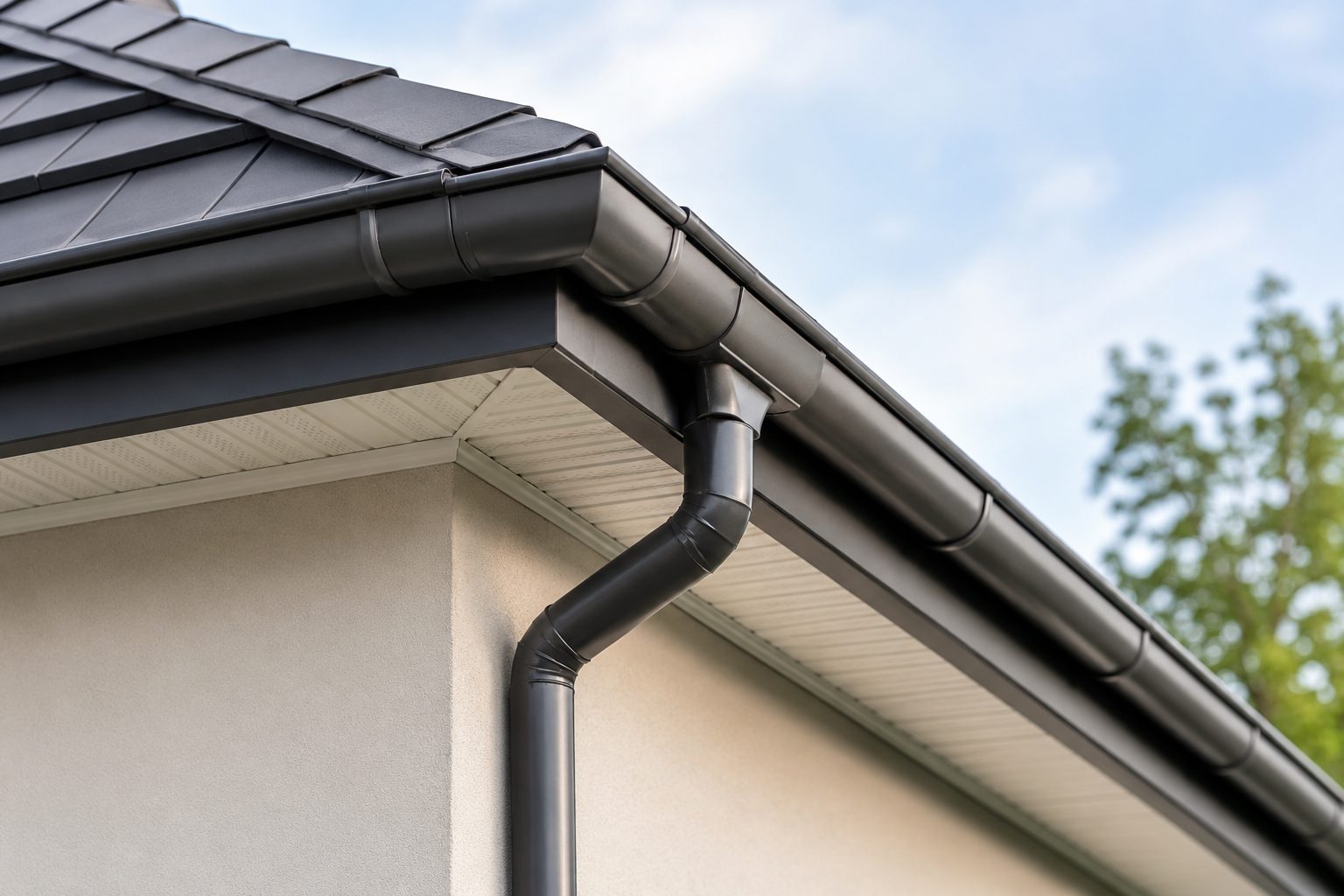
A roof’s main function is to protect your home from rain, wind, and different weather conditions, but one important component often goes unnoticed: the gutter system. Many of you ask, What is a roof gutter called? A roof gutter is commonly referred to simply as a gutter, rain gutter, eavestrough, or roof drainage channel. Its main function is to collect rainwater from your roof and direct it safely away from the building’s foundation.
Why is It Called a Gutter?
The term “gutter” originates from old architectural terminology, which was used to describe channels that carry away water. However, historically, gutters were carved into stone structures and rooftops to prevent rainwater from damaging walls and foundations.
The answer to Why is it called a Gutter, remains connected to its original purpose. It acts as a channel or trough that “guides” water away from the structure. Modern gutters have transformed in design and materials, but their basic purpose remains unchanged.
Another reason Why is it called a gutter? This is because it serves as a pathway that directs water flow, which prevents uncontrolled runoff from the roof. This simple yet effective design has been used in residential and commercial construction for centuries.
What are the Components of a Roof Gutter System?
It is essential to understand the components of a gutter system to maintain it effectively.
- Gutters are the main horizontal channels attached to the roof edge that collect rainwater.
- Downspouts are vertical pipes carrying water from the gutter to the ground drainage area.
- End Caps are installed at the ends of gutters to prevent water from escaping.
- Hangers and Brackets support the gutter and secure it to the roofline.
- Splash Blocks are placed at the downspouts base to direct water away from the foundation.
When discussing What is a roof gutter called?, It is important to recognize that the gutter is part of a complete drainage system designed to protect the entire structure.
What Are the Three Types of Gutters?
One of the most common questions you ask is, “What are the three types of gutters?” While many gutter styles exist, three of the most popular options include:
K-Style Gutters
K-style gutters are among the most commonly installed gutters in modern homes. Their decorative shape resembles crown molding, making them visually appealing while providing excellent water capacity.
- High water-carrying capacity
- Durable design
- Attractive appearance
- Suitable for most residential properties
When discussing What are the three types of gutters?, K-style gutters are often the first option mentioned because of their popularity.
Half-Round Gutters
These gutters comes with a semicircular shape and are found on historic and traditional homes.
- Smooth water flow
- Easier cleaning
- Classic appearance
- Reduced debris accumulation
Many of you choose half-round systems when aesthetics are a priority.
Box Gutters
These gutters are built directly into the roof structure rather than being attached to the edge. They are often found on commercial buildings and larger residential properties.
- Large water capacity
- Hidden appearance
- Suitable for heavy rainfall areas
When people ask, “What are the three types of gutters?” these three designs are generally considered the primary categories used in modern construction.
Which Materials are Used for Roof Gutters?
In addition to understanding What is a roof gutter called?, it is important to know the materials available.
Aluminum Gutters
Aluminum is lightweight, rust-resistant, and affordable. It is one of the most popular choices for residential properties.
Vinyl Gutters
Vinyl gutters are affordable and with easy installation. They work best in mild climates.
Steel Gutters
Steel provides excellent strength and durability, but may require maintenance to prevent rust.
Copper Gutters
Copper gutters provide a premium appearance and exceptional longevity, making them popular for upscale homes.
What are the Common Gutter Problems?
Even the best gutter systems require maintenance.
Clogs
Leaves, twigs, and debris can block water flow, which causes overflow.
Sagging Gutters
Improper installation or heavy debris buildup might cause gutters to sag.
Leaks
Small cracks and holes can develop over time, allowing water to escape.
Downspout Blockages
Blocked downspouts prevent water from draining properly and may lead to overflow.
While you do regular inspections, it can help identify these problems before they become expensive repairs.
Which Signs Show Your Gutters Need Repair?
Knowing when repairs are necessary can help protect your property.
- Water overflowing during rain
- Peeling exterior paint
- Foundation cracks
- Water stains on siding
- Pooling water near the home
- Visible gutter separation
If these issues are ignored, water damage may spread to the roof, walls, and foundation.
Benefits of Professional Gutter Maintenance
Professional maintenance offers several advantages.
- Thorough cleaning
- Early problem detection
- Improved water drainage
- Extended gutter lifespan
- Reduced repair costs
A roofing professional can inspect the entire system and recommend repairs before significant damage occurs.
How Gutters Protect Your Roof?
The relationship between gutters and roofing is often overlooked. Gutters help to prevent water from backing up under shingles, which leads to roof leaks and structural deterioration.
A properly functioning gutter system also protects fascia boards and roof edges from prolonged exposure to moisture. This is another reason to understand what a roof gutter is called. It is valuable for you to seek to maintain your roofing investment.
Frequently Asked Questions
How long do roof gutters last?
The lifespan of roof gutters depends on the material used. Vinyl gutters would last 10–20 years, aluminum gutters 20–30 years, and copper gutters lasts 50 years or more with proper maintenance.
What if gutters are not cleaned regularly?
When gutters become clogged with leaves, dirt, and debris, water cannot flow properly. This leads to roof leaks, foundation damage, siding stains, and landscape erosion around the property.
Are seamless gutters better than traditional gutters?
Seamless gutters are better because they have fewer joints, which reduces the chances of leaks. They also require less maintenance and provide a cleaner appearance than sectional gutters.
How do I know if my gutters need replacement?
If you see extensive rust, multiple cracks, frequent leaks, sagging sections, and repeated repair needs, it means that gutters need replacement.
Can gutters increase the lifespan of a roof?
When gutter are properly functioning, it help direct water away from the roof and foundation, which prevents moisture damages and extends the lifespan of the roofing system.






6 Comments
Best gaming site I have encountered in Asia this year. The customer support is top notch. Visit jljl7asia
Everything from registration to withdrawal was a breeze. No unnecessary hassles, just a clean experience. idnike88 really knows how to treat their users.
The app version is a game changer. It is so much more convenient to play on the go. Everything works perfectly after the latest update. 1777betapploginapk
I’ve been trying a few different sites this month and this one really stands out. Great variety of games and the customer support is actually helpful. Check out vnmh66 if you want a stress-free experience.
The slots on this app are incredibly rewarding. I love the variety of themes and the smooth animations. For all slot lovers, slotmestreapk is the way to go.
The game selection is top notch and the graphics are crisp. It is honestly such a vibe playing on yoyoslot after a long day of work.