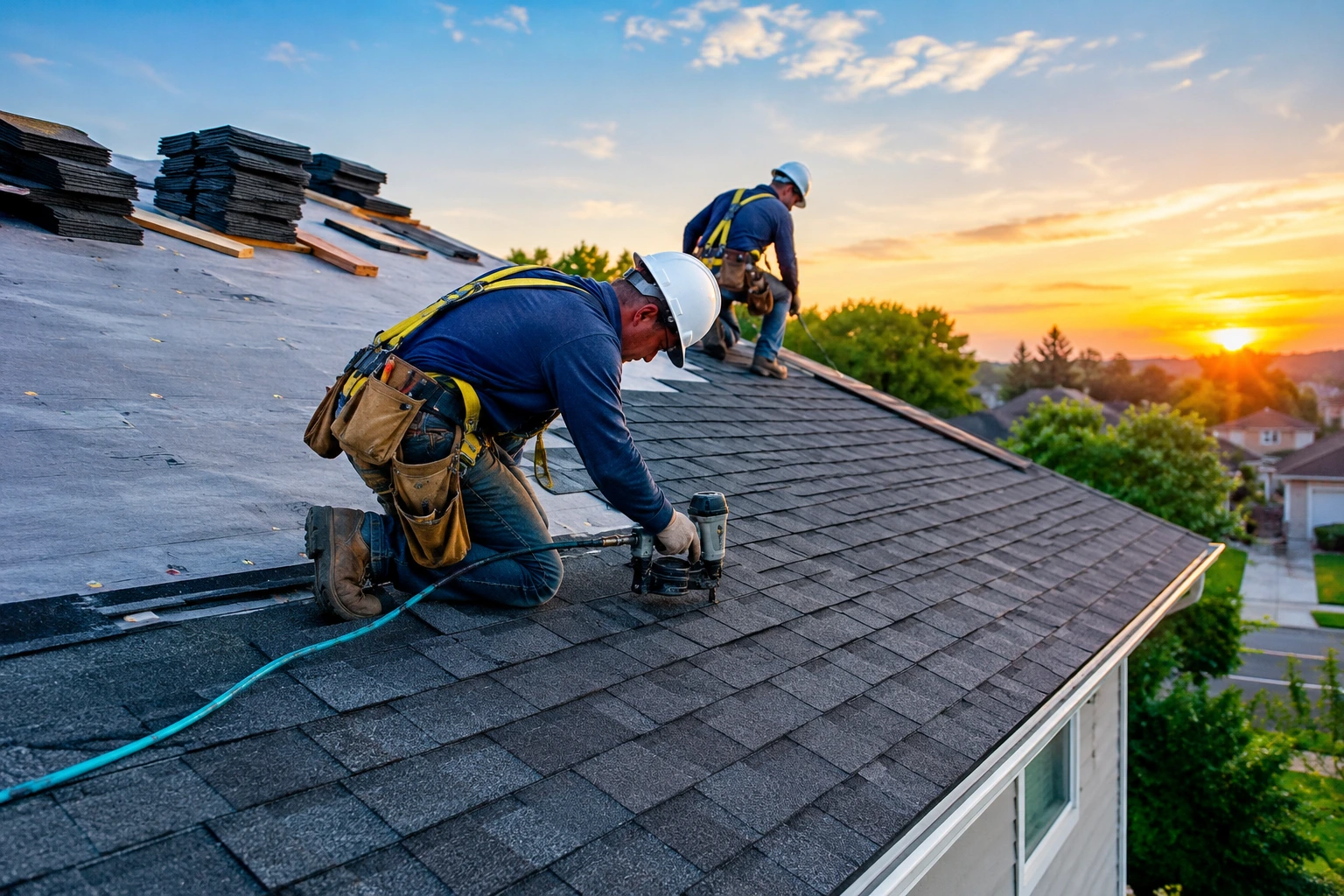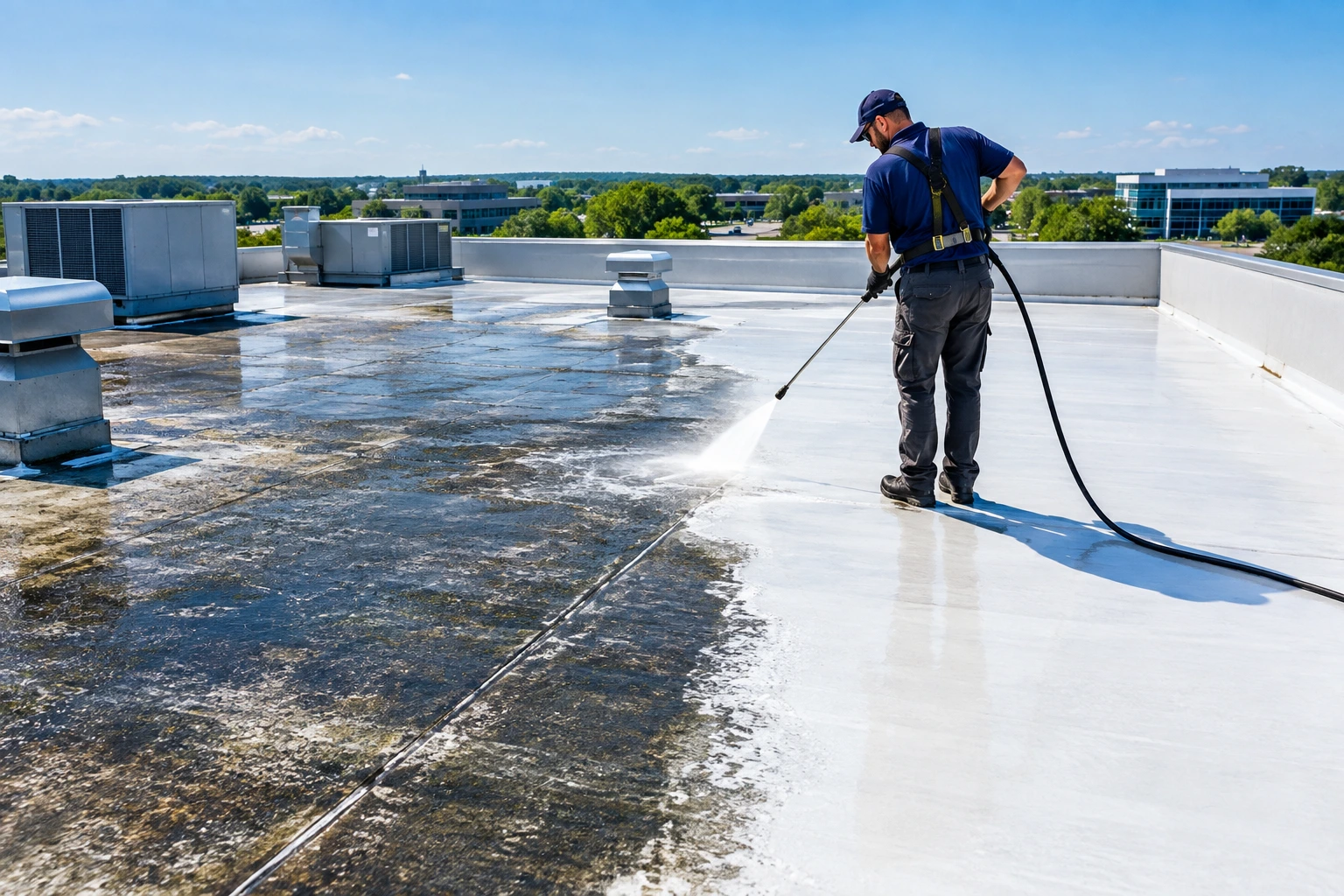
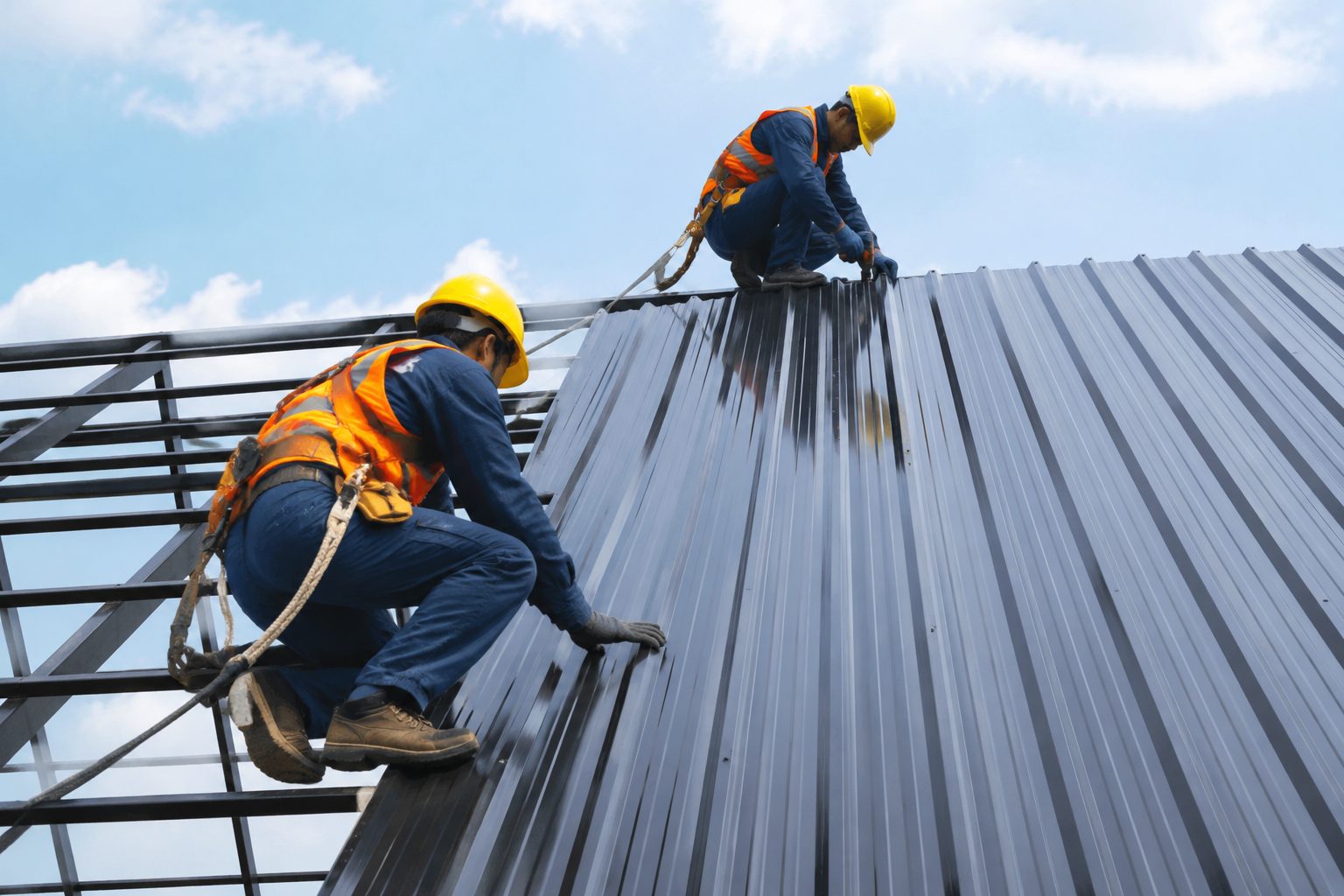
Your roof is the most important components of your home, protecting your family and belongings from rain, snow, wind, and harsh weather conditions. However, even the strongest roofing systems have a limited lifespan. It is essential to recognize which Signs You Need a Roof Replacement in New Jersey to help you avoid repairs, structural damage, and unexpected leaks.
Why Roof Replacement Matters
A damaged or aging roof doesn’t just affect your home’s appearance—it also impacts its safety, energy efficiency, and value. Delaying replacement can lead to water intrusion, mould growth, damaged insulation, and expensive interior repairs.
It is essential to understand which signs indicate you need a roof replacement in New Jersey that allows you to take action before small problems become major structural issues.
What Signs Indicate You Need a Roof Replacement in New Jersey?
1. Your Roof Is More Than 20 Years Old
Asphalt shingle roofs lifespan is between 20 and 30 years, which depends on maintenance and weather. If your roof is approaching or exceeding this age, it may no longer provide reliable protection.
An older roof is more vulnerable to leaks, cracked shingles, and weather-related damage, which makes replacement a wise investment.
Missing or Damaged Shingles
If shingles are missing, it expose the roof deck to moisture and UV rays, which accelerates deterioration. Damaged shingles may curl, crack, blister, or become brittle over time.
These are the most obvious Signs You Need a Roof Replacement in New Jersey, especially when damage affects large sections of the roof.
Frequent Roof Leaks
Occasional repairs might solve isolated leaks, but repeated water intrusion often indicates widespread roofing failure.
- Water stains on ceilings
- Damp attic insulation
- Peeling interior paint
- Mould or mildew growth
- Dripping water during rainfall
Persistent leaks should never be ignored.
Sagging Roof Structure
A sagging roof may indicate structural problems caused by water damage, weakened decking, or excessive weight. This issue requires immediate professional inspection because it may compromise the stability of your home.
Granules Collecting in Gutters
As asphalt shingles age, they begin losing their protective granules. If you notice excessive granules inside gutters or around downspouts, your shingles may be nearing the end of their lifespan.
What is Roof Replacement After Storm Damage?
New Jersey regularly experiences heavy rain, hail, high winds, and snowstorms that can severely impact roofing systems. In many cases, roof replacement after storm damage becomes necessary when repairs are no longer sufficient.
- Torn or missing shingles
- Lifted roofing materials
- Water penetration
- Damaged flashing
- Fallen tree branches
- Impact damage from hail
- Broken roof vents
Prompt inspections following severe weather can identify hidden damage before it worsens.
What are the Interior Warning Signs?
Roof damage isn’t always visible from outside.
- Ceiling stains
- Damp walls
- Musty odours
- Increased humidity in the attic
- Mould growth
- Sunlight entering through roof boards
These symptoms indicates moisture entering through the roofing system.
Rising Energy Bills
A deteriorating roof can reduce insulation performance and ventilation, which allows conditioned air to escape.
As a result, your heating and cooling system works harder, increasing monthly energy bills.
When you replace an aging roof, it can improve energy efficiency and indoor comfort.
Moss and Algae Growth
Although moss and algae may appear harmless, they trap moisture against roofing materials.
Over time, trapped moisture accelerates shingle deterioration and shortens roof lifespan.
Professional inspections determine whether cleaning, repairs, or full replacement is the best solution.
Which is the Best Roofing Materials for New Jersey Weather?
When you select the best roofing materials for New Jersey weather, it ensures long-term durability and protection against changing climate conditions.
Popular roofing materials include:
Asphalt Shingles
Asphalt shingles is one of the most popular choices because they offer:
- Excellent affordability
- Reliable weather resistance
- Easy maintenance
- Wide colour selection
- Long service life
Metal Roofing
Metal roofs provide outstanding performance in New Jersey by resisting:
- Heavy snowfall
- Strong winds
- Fire
- Moisture
- Corrosion
They also reflect heat, which improves energy efficiency.
Architectural Shingles
Architectural shingles offer enhanced durability and improved appearance compared to traditional three-tab shingles.
They withstand stronger winds and provide excellent long-term performance.
Synthetic Roofing Materials
Modern synthetic roofing products mimic natural slate or wood while offering:
- Lightweight construction
- High impact resistance
- Low maintenance
- Excellent weather durability
You must choose the best roofing materials for New Jersey weather which depends on your budget, home design, and long-term maintenance preferences.
Roof Replacement After Storm Damage: When Repairs Aren’t Enough
While minor storm damage could be repaired, widespread damage usually requires a complete replacement.
Consider roof replacement after storm damage if your roof has experienced certain issues.
- Multiple missing shingles
- Extensive hail damage
- Structural weakening
- Significant water infiltration
- Repeated leaks
- Wind damage across multiple roof sections
You can replace the roof restores your home’s protection and reduces the likelihood of future repairs.
Are There Benefits of Roof Replacement?
Investing in a new roof offers numerous long-term advantages. Our professionally installed roof also improves your home’s resale potential.
- Improved weather protection
- Enhanced curb appeal
- Increased property value
- Better energy efficiency
- Lower maintenance costs
- Greater peace of mind
- Stronger structural protection
How Professional Roof Inspections Help?
With routine inspections, our roofing professionals can detect hidden issues before they become expensive problems.
- Shingle condition assessment
- Flashing inspection
- Gutter evaluation
- Roof decking examination
- Ventilation assessment
- Leak detection
- Storm damage identification
Frequently Asked Questions
What are the signs you need a roof replacement in New Jersey?
Some of the signs you need a roof replacement in New Jersey include missing or curling shingles, frequent roof leaks, sagging roof sections, excessive granules in gutters, mould growth, and a roof that is more than 20 years old.
What are the best roofing materials for New Jersey weather?
The best roofing materials are asphalt shingles, architectural shingles, metal roofing, and synthetic roofing materials. These options are designed to withstand heavy rain, snow, strong winds, and seasonal temperature changes.
Is roof replacement after storm damage necessary?
We recommend roof replacement after storm damage when severe weather causes widespread shingle loss, structural damage, significant leaks, hail damage, or water infiltration.
When should I have my roof inspected in New Jersey?
You should book our professional roof inspection at least once a year and after major storms. With regular inspections you can identify damage early and prevent repairs.
Can a new roof improve my home’s energy efficiency?
Our professionally installed roof with modern materials and proper ventilation can improve insulation, reduce heat loss in winter, keep your home cooler in summer, and lower overall energy costs.