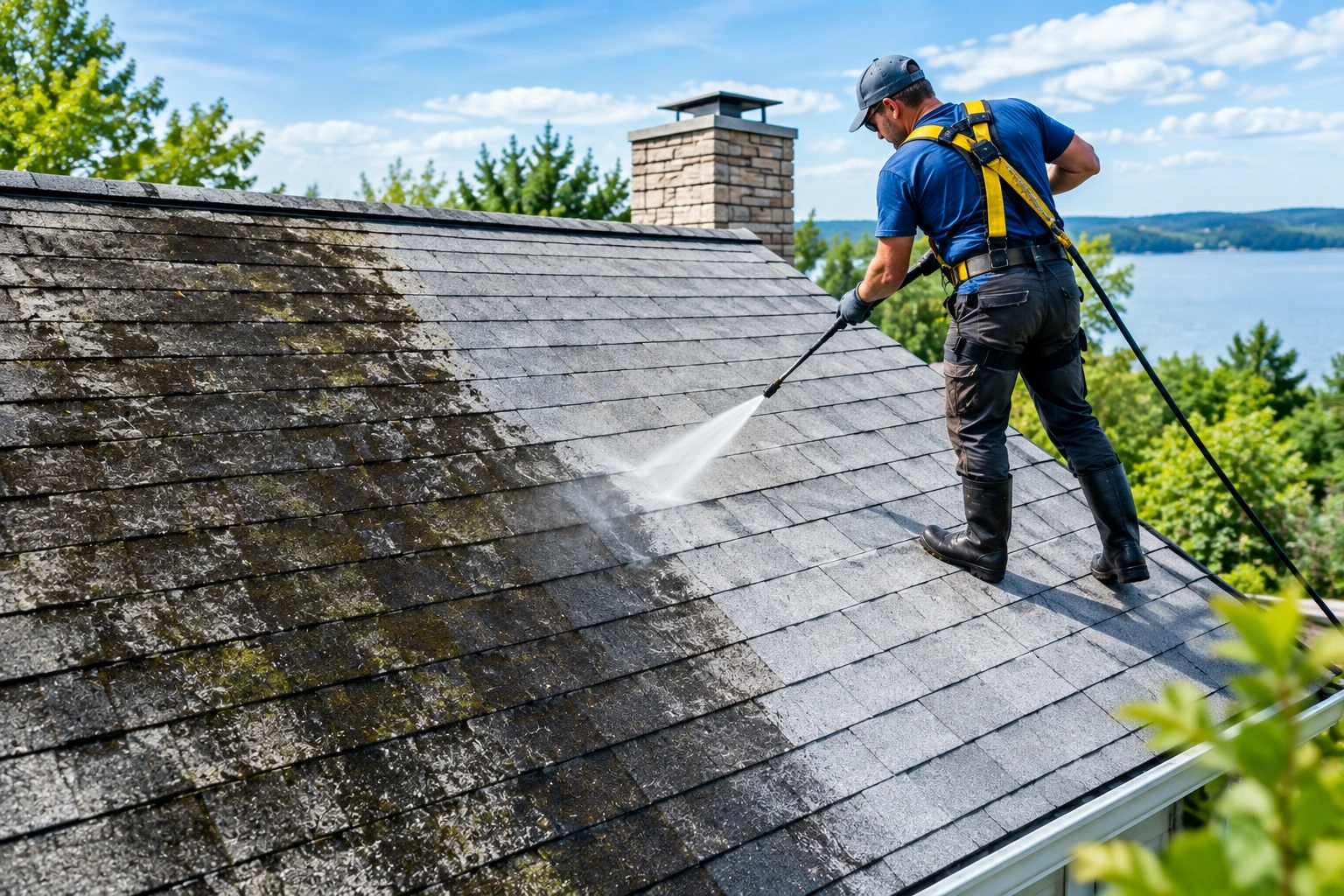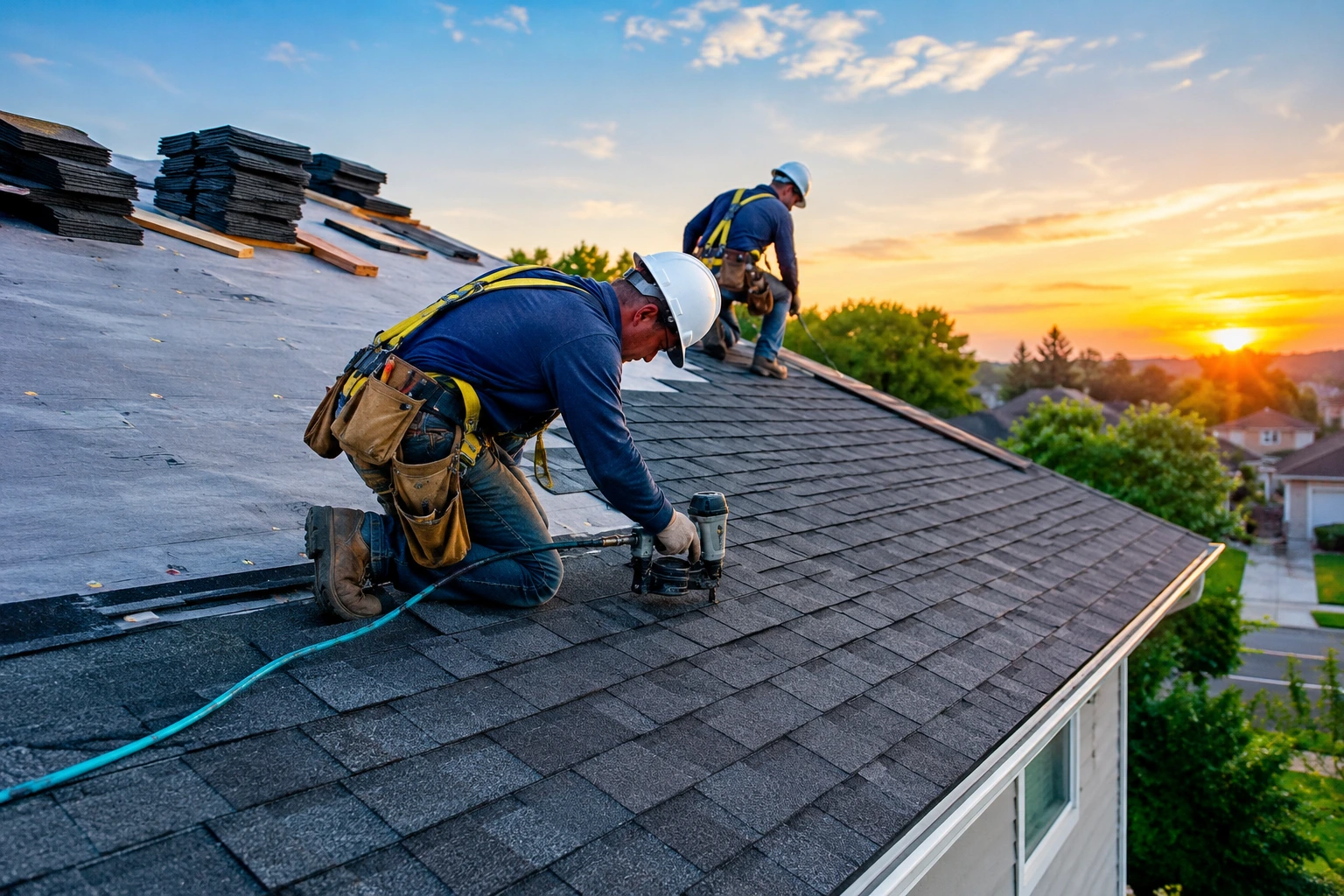

If you are planning a new roof for your home or property, understanding the potential cost is one of the first steps. How much does roof installation cost in South Los Angeles? It depends on several factors, including roof size, roofing material, labor, roof design, the existing roof condition, permits, accessibility, and the amount of preparation required.
What Affects Roof Installation Cost in South Los Angeles?
There is no single price that applies to every roof. Several factors influence the final estimate.
Roof Size
The size of the roof is one of the most important cost factors. Larger roofs require more materials, labor, underlayment, fasteners, flashing, and installation time.
Roofing contractors measure a roof in roofing squares, with one square representing 100 square feet of roof area. A larger property will require more materials and labor than a smaller home.
Roofing Material
The material you select can affect the project budget. Asphalt shingles, metal roofing, tile, and other roofing systems have different material and installation costs.
Your choice should consider more than the initial purchase price. Durability, maintenance requirements, expected service life, appearance, and suitability for the property can all be important.
Roof Design and Pitch
A simple roof with easy access can be easier to install than a complex roof with multiple sections, valleys, dormers, steep slopes, or other architectural features.
A steep or complicated roof may require additional safety equipment, specialized installation procedures, and more labor.
Existing Roof Condition
If an old roof is being replaced, the condition beneath it can influence the final cost. Damaged decking, deteriorated underlayment, moisture problems, or other issues may need attention before the new roofing system is installed.
How Long Does a New Roof Installation Take?
One of the most common questions you ask is: How long does a new roof installation take? It depends on the property’s size, roof complexity, material, weather, crew size, and the condition of the existing roof.
- A straightforward residential roofing project may take several days, while larger or more complicated projects can take longer.
- However, removing an existing roof, repairing damaged decking, installing new underlayment, replacing flashing, and completing cleanup can all affect the schedule.
- Weather can also influence the timeline. Rain, strong winds, or unsuitable working conditions can temporarily interrupt roofing work.
- Before beginning a project, ask for an estimated start and completion schedule.
- Our roofing services should explain the major stages of the installation and identify factors that could potentially extend the project.
What Is Included in a Roof Installation?
Another important question you should ask is, What is included in a roof installation? The exact scope varies depending on the project, but a complete installation may involve several steps.
Roof Inspection
The process begins with an inspection of the existing roof. Our roofing professional evaluates the roof’s condition, identifies visible damage, checks drainage areas, and determines what preparation may be required.
Removal of Existing Roofing
For a replacement project, the existing roofing material may need to be removed. The underlying roof deck can then be inspected for damage.
Deck Preparation and Repairs
The roof deck provides the structural surface for the roofing system. If sections are damaged by moisture, age, or other problems, repairs or replacement may be necessary before new roofing materials are installed.
Underlayment Installation
Underlayment provides an additional protective layer beneath the primary roofing material. It can help protect the roof deck from moisture and improve the overall performance of the roofing system.
Flashing
Flashing is commonly installed around areas where the roof meets walls, chimneys, vents, skylights, and other penetrations. Proper flashing helps direct water away from vulnerable areas.
Roofing Material Installation
The selected roofing material is then installed according to the requirements of the specific roofing system. Correct installation is essential for durability and weather resistance.
Ventilation
Roof ventilation can help manage heat and moisture within the roofing system. Depending on the property, the installation may involve checking or improving vents to support proper airflow.
Cleanup and Final Inspection
After installation, leftover materials and debris should be removed from the work area. A final inspection can help identify installation issues and ensure that the completed roof meets the agreed project requirements.
Does Roof Installation Require Permits?
Roofing projects in Los Angeles may be subject to local building requirements and permit rules. Requirements can depend on the type and scope of the project.
- Before work begins, you should confirm whether permits are required for their specific installation.
- Proper permitting helps ensure that the project follows applicable building requirements.
- A roofing professional can explain the permitting process and identify documentation that may be necessary.
How to Keep Roof Installation Costs Under Control
You can take several steps to manage their roofing budget.
- Arrange a professional inspection before making decisions. Identifying underlying problems early can provide a more realistic estimate.
- Compare roofing materials based on durability and long-term value rather than simply choosing the lowest initial price.
- Request a written estimate that clearly identifies labor, materials, removal, disposal, repairs, flashing, underlayment, and other applicable services.
Frequently Asked Questions
What factors affect roof installation costs in South Los Angeles?
Roof size, roofing material, roof pitch, design complexity, labor, existing roof condition, removal of old materials, repairs, flashing, underlayment, and permit requirements can all influence the final cost.
What is the maximum time for a roof installation?
A residential roof installation may take several days, while larger or more complicated projects can take longer. Weather, roof condition, material availability, and required repairs can also affect the schedule.
Can damaged roof decking increase installation costs?
If inspection reveals damaged or deteriorated decking beneath the existing roofing material, those sections may need to be repaired or replaced before the new roof is installed.
What should a roof installation estimate include?
A detailed estimate may include old-roof removal, disposal, roof preparation, decking repairs, underlayment, flashing, roofing materials, ventilation work, labor, cleanup, and applicable permit-related costs.
How can I prepare for a new roof installation?
You can start with a professional roof inspection, choose suitable roofing materials, request a detailed written estimate, confirm the expected timeline, and discuss potential additional repair costs.