
Replacing a residential roof is a significant home improvement project, so you often want to understand the potential expense before scheduling an inspection. If you are asking, How much does residential roof replacement cost? There is no single price that applies to every property. The final cost depends on the roof’s size, design, roofing material, labor, accessibility, existing damage, removal requirements, and local building requirements.
What Factors Affect Residential Roof Replacement Cost?
Several factors can influence the total price of a residential roof replacement.
Roof Size
The size of the roof is one of the primary cost factors. Larger roofs require more roofing materials, underlayment, flashing, fasteners, and labor.
Roofing professionals measure roofs in squares, with one roofing square representing 100 square feet. However, the total roof surface can be larger than the home’s floor area because of roof pitch and design.
Roofing Material
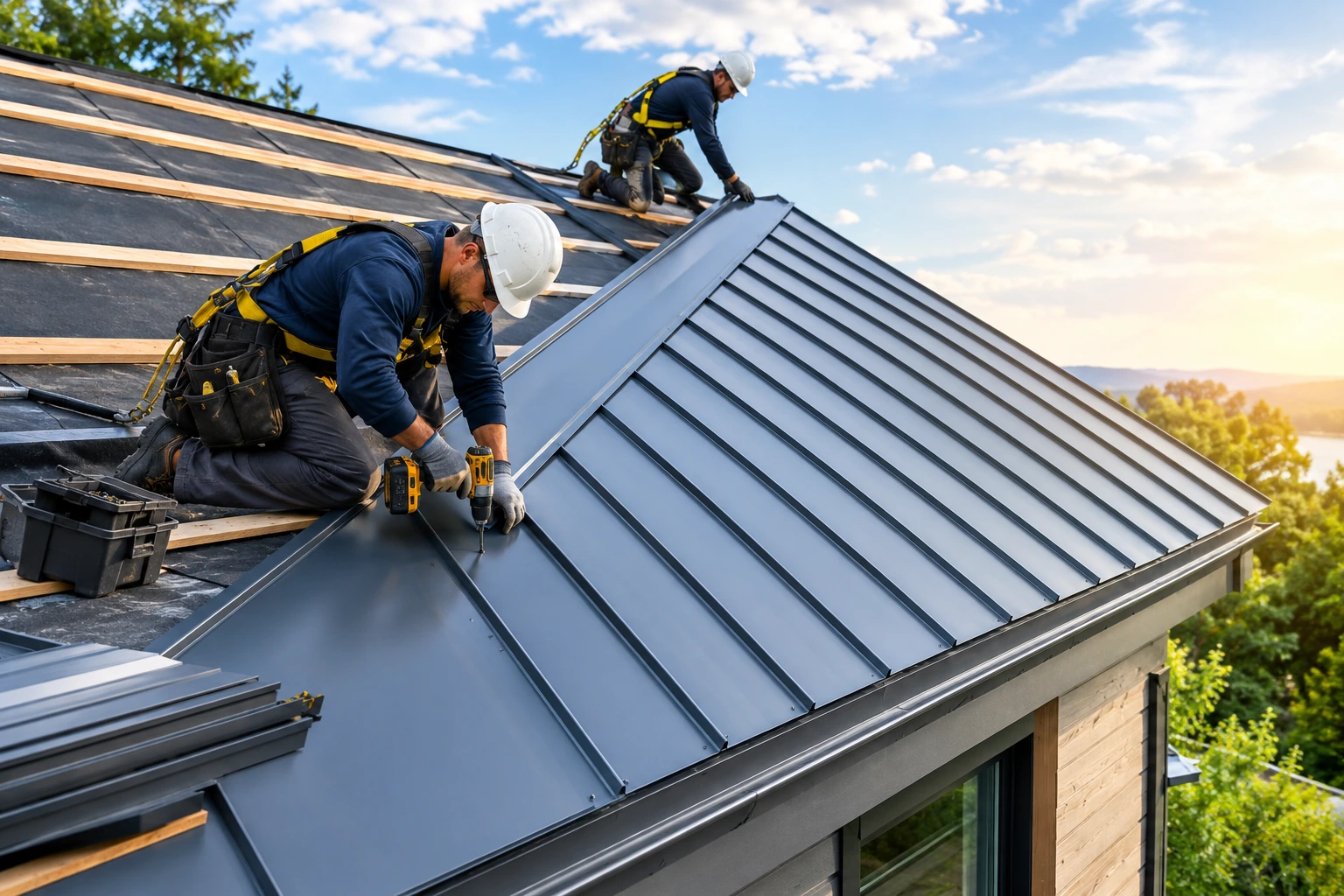
The selected material can have a major effect on project cost. Asphalt shingles, metal roofing, tile, slate, and other roofing systems have different material prices and installation requirements.
You should consider durability, maintenance, appearance, expected lifespan, and local weather conditions when choosing a material rather than focusing only on the initial price.
Roof Pitch and Complexity
A simple roof with a simple design can be easier to install than a complex roof containing multiple slopes, valleys, dormers, skylights, or other architectural features.
Steeper roofs may also require additional safety equipment and installation precautions, which can affect labor costs.
Removal of the Existing Roof
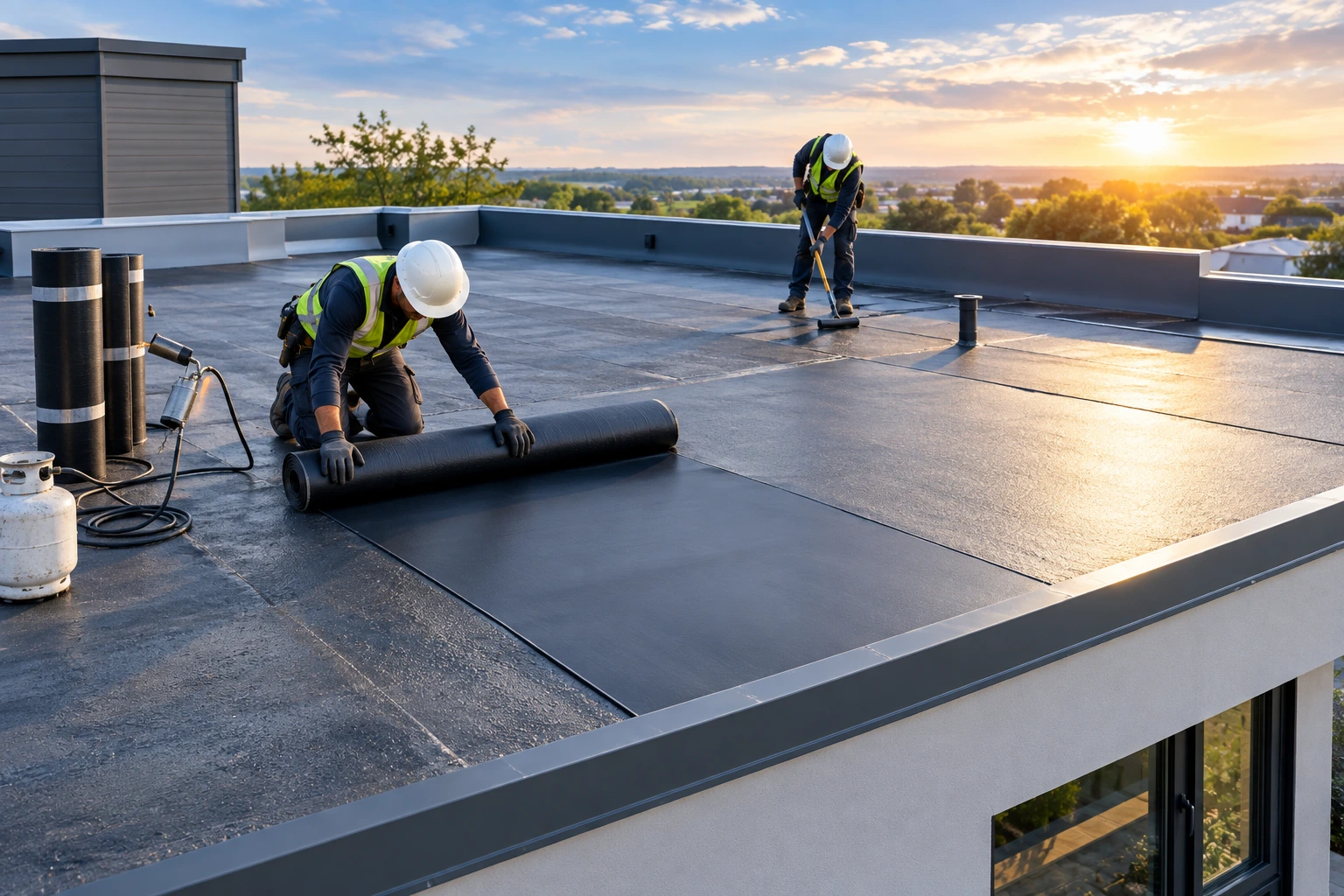
If the existing roof must be completely removed before the new system is installed, demolition and disposal will add to the project cost.
The number of existing roofing layers can also influence the amount of labor and disposal required.
Roof Deck Repairs
Once the old roofing material has been removed, the roof deck can be inspected. Moisture damage, rot, or deterioration may require sections of the decking to be repaired or replaced.
Can I Replace My Residential Roof in Winter?
In many cases, roofing work can be completed during winter, but the feasibility depends on the climate, roofing material, weather conditions, and project requirements.
- Cold temperatures, rain, snow, ice, and strong winds can affect roofing work.
- Some roofing materials may require specific temperature conditions for proper installation.
- Certain asphalt shingles rely on heat and sunlight to help create a secure seal.
- In colder weather, contractors may need to follow additional installation procedures recommended by the manufacturer.
- Winter weather can also create safety concerns for workers. Wet, icy, or snowy roof surfaces can make installation more difficult.
- If a roof has an active leak or serious damage, waiting until warmer weather may not be practical.
- Our roofing contractor can inspect the roof and determine whether replacement can safely proceed under current conditions.
What are the Advantages of Winter Roof Replacement?
Winter roof replacement may be appropriate when a roof requires urgent attention.
- Completing the project can address leaks, structural concerns, or extensive deterioration before they become more serious.
- In areas with relatively mild winters, our roofing contractors may be able to continue working during much of the season when weather conditions are suitable.
- However, scheduling should remain flexible because unexpected rain, wind, or other unfavorable conditions can temporarily delay the project.
Should I Repair or Replace My Residential Roof?
Another important question you face is: Should I repair or replace my residential roof? It depends on the age, condition, extent of damage, and remaining service life of the roofing system.
- A repair may be appropriate when damage is limited to a small area.
- Examples can include a few damaged shingles, localized flashing problems, or a small leak caused by a specific issue.
- Replacement may be more practical when the roof has widespread deterioration, repeated leaks, extensive storm damage, material failure, or is approaching the end of its expected service life.
What are the Signs of a Repair That May Be Enough?
A repair may be considered when:
- Damage is localized
- Most roofing materials remain in good condition
- There are no widespread leaks
- The roof has substantial remaining service life
- Flashing or individual components need replacement
Our professional inspection can help determine whether the problem can be addressed without replacing the entire roof.
Signs That Replacement May Be Necessary
- The roof has extensive damage
- Leaks are occurring in multiple areas
- Roofing materials are severely deteriorated
- The roof has reached the end of its service life
- Decking or structural components have widespread damage
- Previous repairs have become frequent
- Storm damage affects a significant portion of the roof
How to Extend the Life of a New Roof?
When a new roof is installed, regular maintenance can help protect the investment.
- You should periodically inspect the roof for damaged or missing materials, blocked drainage systems, deteriorated flashing, and signs of moisture.
- Keeping gutters and downspouts clear can help water drain properly.
- Trees should also be maintained so that branches do not repeatedly rub against the roofing surface.
- Professional inspections can be useful after severe weather or when signs of damage appear.
Frequently Asked Questions
How often should a residential roof be replaced?
The replacement interval depends on the roofing material, installation quality, weather exposure, maintenance, and roof condition.
Can a damaged roof be repaired instead of replaced?
Localized damage may be repaired if the rest of the roofing system is in good condition. Extensive deterioration or recurring leaks may require a full replacement.
Is winter a good time to replace a residential roof?
Roof replacement can sometimes be completed during winter when weather conditions are suitable. Cold temperatures, rain, snow, and wind may affect scheduling and installation procedures.
What should a residential roof replacement estimate include?
A detailed estimate should identify roofing materials, labor, removal and disposal, underlayment, flashing, ventilation, and any anticipated decking or structural repairs.
How can I prepare my home for roof replacement?
Clear valuable items from areas affected by construction, protect fragile belongings, provide contractors with access to the property, and discuss project timing, cleanup, parking, and safety arrangements before work begins.