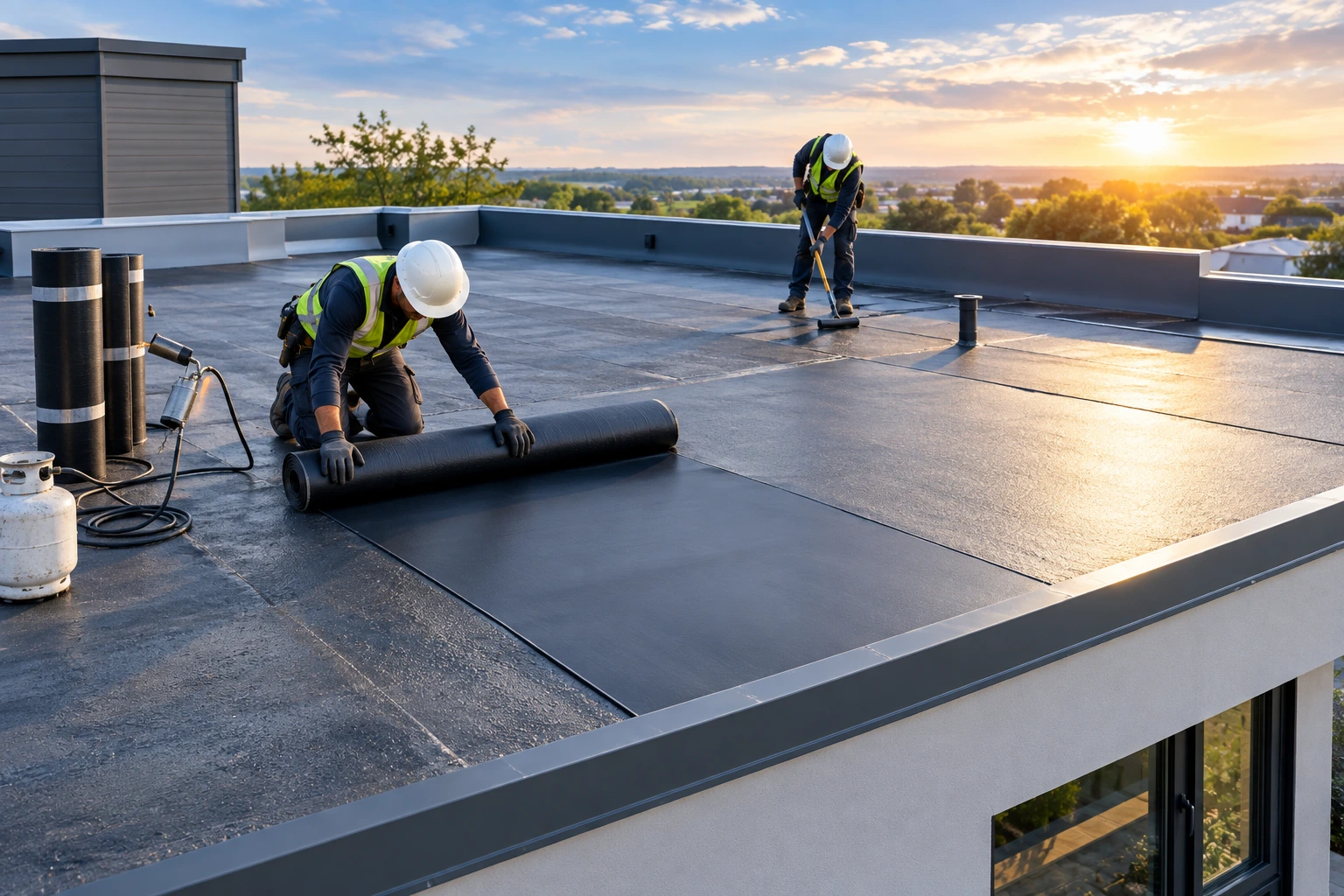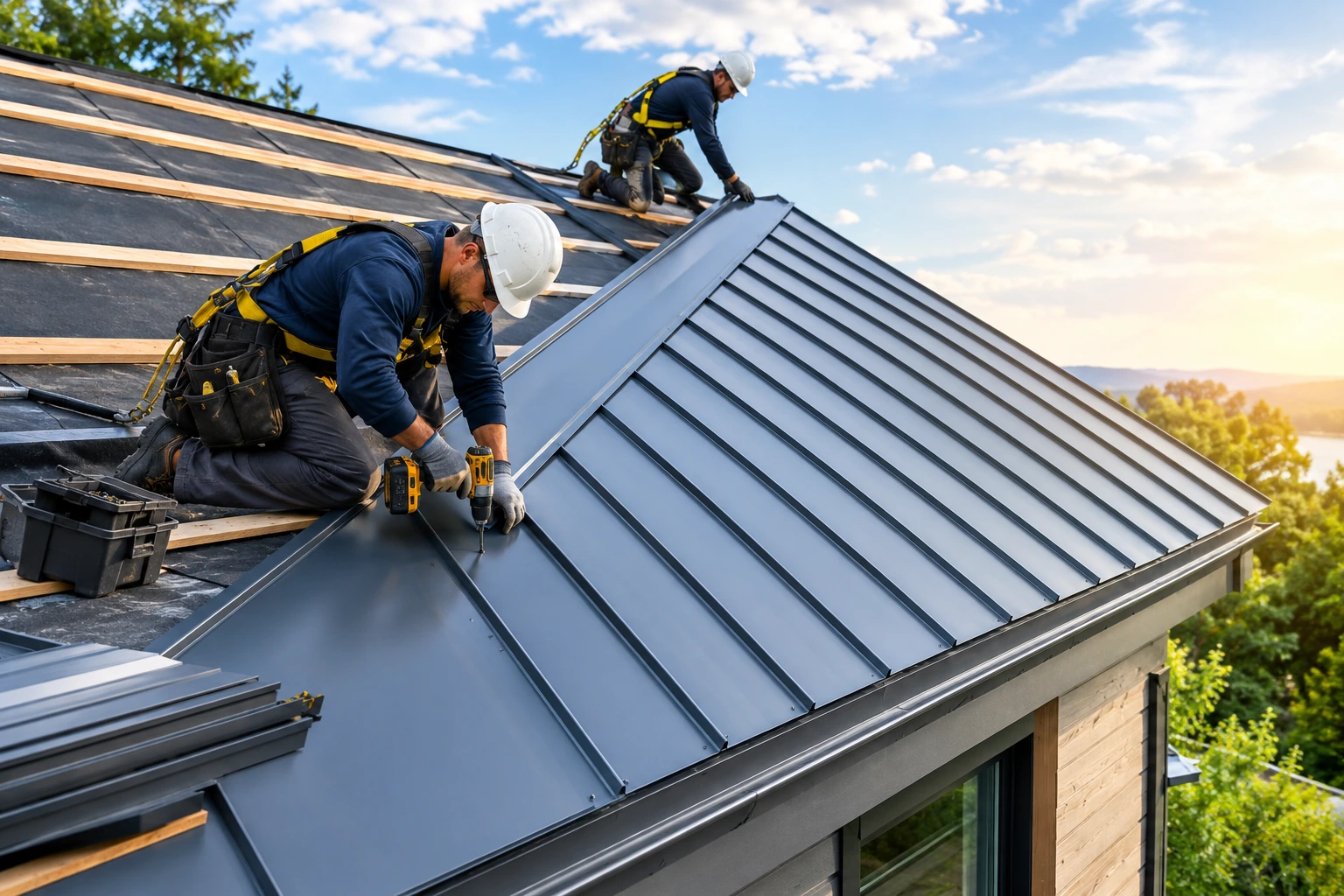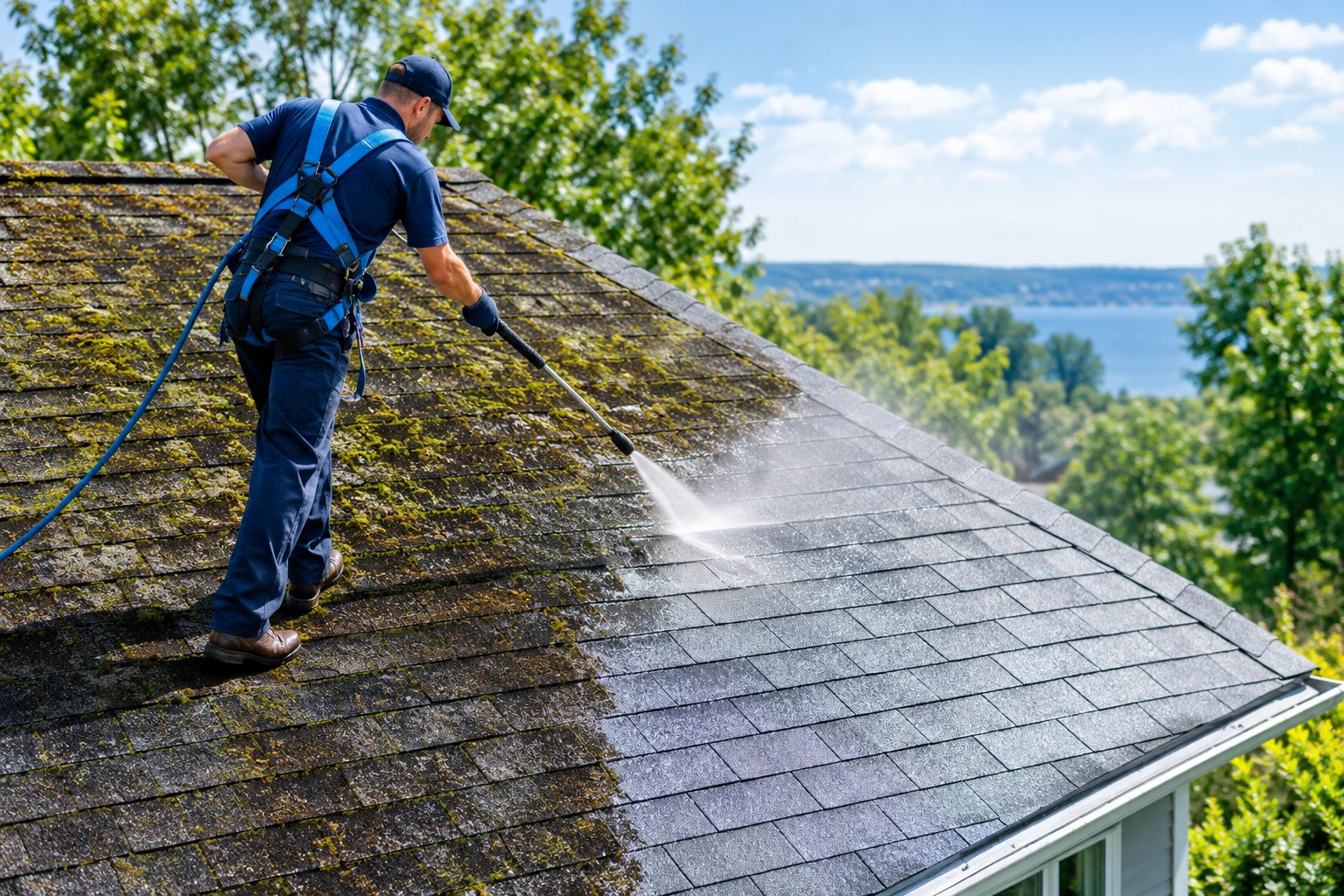
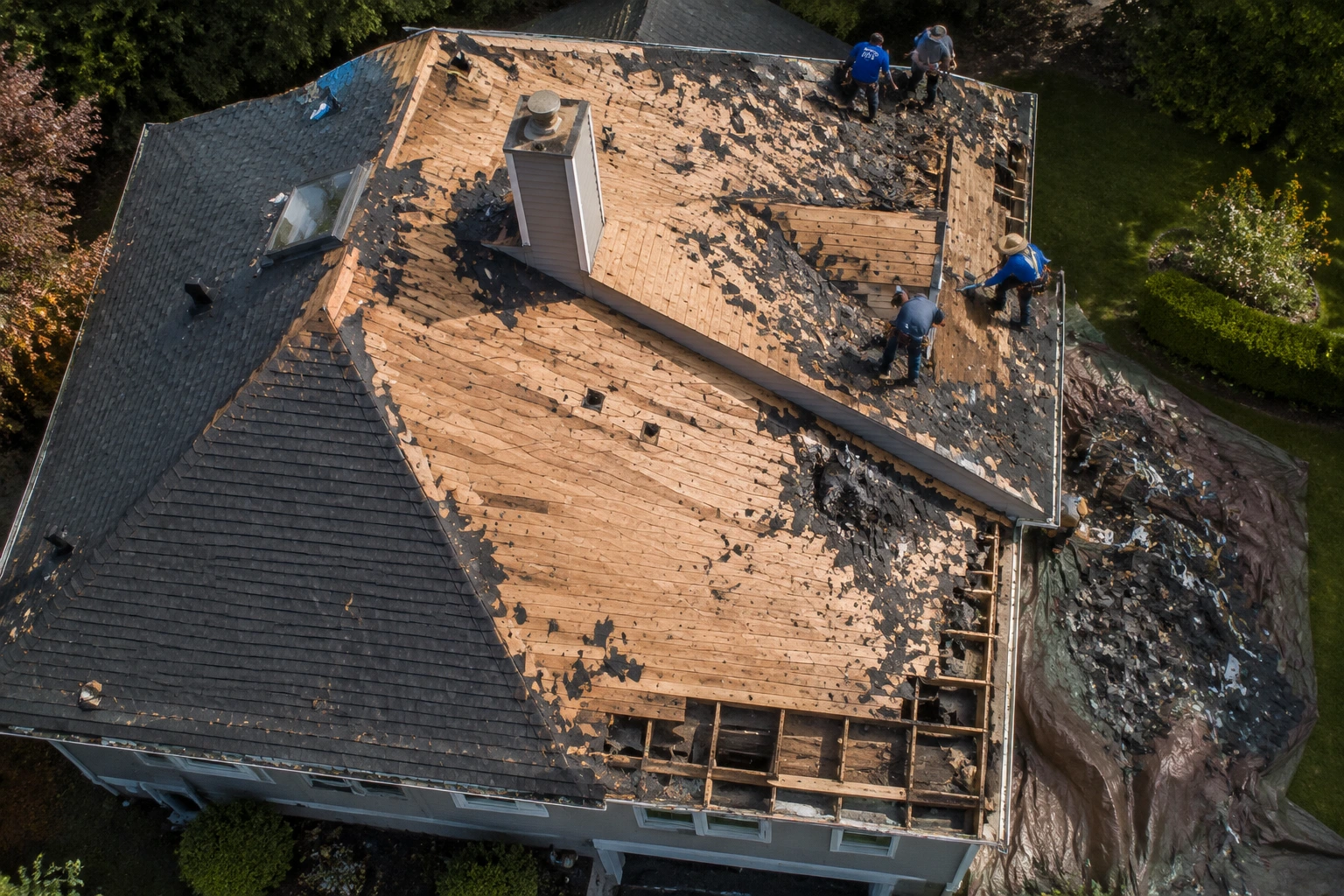
Roof removal is an important step when an existing roofing system has reached the end of its useful life or has suffered major damage. You often ask, How much is it to remove a roof? It depends on several factors, which include roof size, roofing material, roof pitch, number of layers, accessibility, labor requirements, and disposal costs.
What is the Cost to Remove a Roof?
When you ask How much is it to remove a roof?, there is no single price that applies to every property. Roof removal is generally priced according to the size and complexity of the roof and the amount of material that needs to be removed and disposed of.
Roof Size
A larger roof requires more labor, equipment, and disposal capacity. Our contractors would assess the roof’s total area before preparing an estimate.
Roofing Material
Asphalt shingles may be relatively straightforward to remove, while materials such as tile, metal, slate, or multiple-layer roofing can require additional labor and specialized handling.
Number of Roofing Layers
Older properties may have multiple roofing layers installed over time. While you remove several layers, it requires additional labor and generates more waste, which can increase the project cost.
Roof Pitch
A steep roof can require additional safety equipment and precautions. Because workers have less stable footing, removal may take longer than work on a low-slope roof.
Accessibility
The location of the home and accessibility of the roof can also affect the estimate. Difficult access might require additional equipment or labor for safely moving roofing materials.
Disposal
Roof removal produces a substantial amount of waste. Disposal and hauling costs should be considered when estimating the total project budget.
How Long Does It Take to Remove an Old Roof?
A common question you ask is, How long does it take to remove an old roof? The timeline depends on the property’s size, roofing material, weather conditions, number of layers, roof complexity, and crew size.
For a typical residential roof with standard asphalt shingles, removal may take part of a day to a full day under favorable conditions. Larger or more complicated roofs can require considerably longer.
- Multiple layers of roofing
- Steep roof sections
- Difficult access
- Extensive debris
- Unexpected structural damage
- Poor weather
- Heavy roofing materials
- Limited space for waste containers
Weather is particularly important because roofing removal exposes parts of the structure to the elements. Our professional roofing team will plan the work to minimize the amount of time the building remains exposed.
You should also understand that roof removal is only one stage of a complete replacement project. Once the old roofing is removed, the underlying decking should be inspected for signs of rot, moisture damage, or deterioration before the new roof is installed.
How Do I Remove Roofing?
You may wonder, How do I remove roofing? The process involves several stages, but roof removal is hazardous work and is generally best handled by trained roofing professionals.
- The surrounding property is protected before removal begins. Landscaping, siding, windows, and other vulnerable areas may need temporary protection from falling debris.
- Roof removal requires appropriate fall protection, ladders, tools, protective equipment, and controlled access to the work area.
- Components such as flashing, vents, ridge caps, and other roofing accessories may need to be removed depending on the replacement plan.
- Roofing materials are carefully removed in sections. For asphalt shingles, specialized roofing tools can help loosen and remove shingles and fasteners.
- After the existing roofing has been removed, the underlayment may also be removed if it is being replaced.
- The exposed decking is inspected for damage. Soft, cracked, warped, or water-damaged sections may need to be replaced before installing the new roofing system.
- Roofing debris is collected and placed into appropriate containers for disposal. The surrounding property should also be inspected for stray nails and debris.
Why Professional Roof Removal Matters?
Roof removal involves more than simply pulling off shingles. Improper techniques can damage roof decking, siding, flashing, gutters, or other components of the property.
Our roofers understand how to remove roofing materials while limiting unnecessary damage to the underlying structure. They can also recognize signs of hidden moisture damage, deteriorated decking, inadequate ventilation, and other issues that may not be obvious from ground level.
Professional removal also helps improve job-site safety. Roofing materials can be heavy, sharp, and difficult to control when removed from elevated surfaces.
Roof Removal vs. Roofing Overlays
In some situations, you may consider installing a new roofing layer over an existing one instead of removing the old roof. While this can sometimes reduce labor and disposal requirements, it is not appropriate for every property.
A roof with significant underlying damage may require removal so the decking and structure can be inspected. Multiple existing layers can also add weight and make future repairs more complicated.
Complete removal provides an opportunity to inspect the roof deck and address underlying problems before the new roofing system is installed.
How to Prepare for Roof Removal?
However, you can make the process easier by preparing the property before work begins.
Move vehicles away from the work area, secure outdoor furniture, remove fragile items from walls or ceilings if necessary, and keep children and pets away from the construction zone.
It is also helpful to discuss the project schedule with the roofing contractor. Ask how long the removal is expected to take, how debris will be handled, whether the roof deck will be inspected, and what happens if unexpected damage is discovered.
Frequently Asked Questions
What is it to remove a roof?
The removal cost of a roof depends on its size, roofing material, pitch, number of existing layers, accessibility, labor, and disposal requirements.
How much time does it take to remove an old roof?
You can remove a standard residential asphalt shingle roof within a day under favorable conditions. Larger roofs, multiple roofing layers, steep slopes, difficult access, or unexpected damage can extend the timeline.
How do I remove roofing safely?
Roof removal involves preparing the work area, using appropriate fall protection, removing roofing materials and underlayment, inspecting the roof deck, and safely disposing of debris.
Should I remove my old roof before installing a new one?
Complete roof removal can be beneficial when the existing roof has extensive damage, multiple layers, moisture problems, or deteriorated decking.
What happens after an old roof is removed?
After removal, the exposed roof decking is inspected for rot, cracks, moisture damage, and other structural issues.