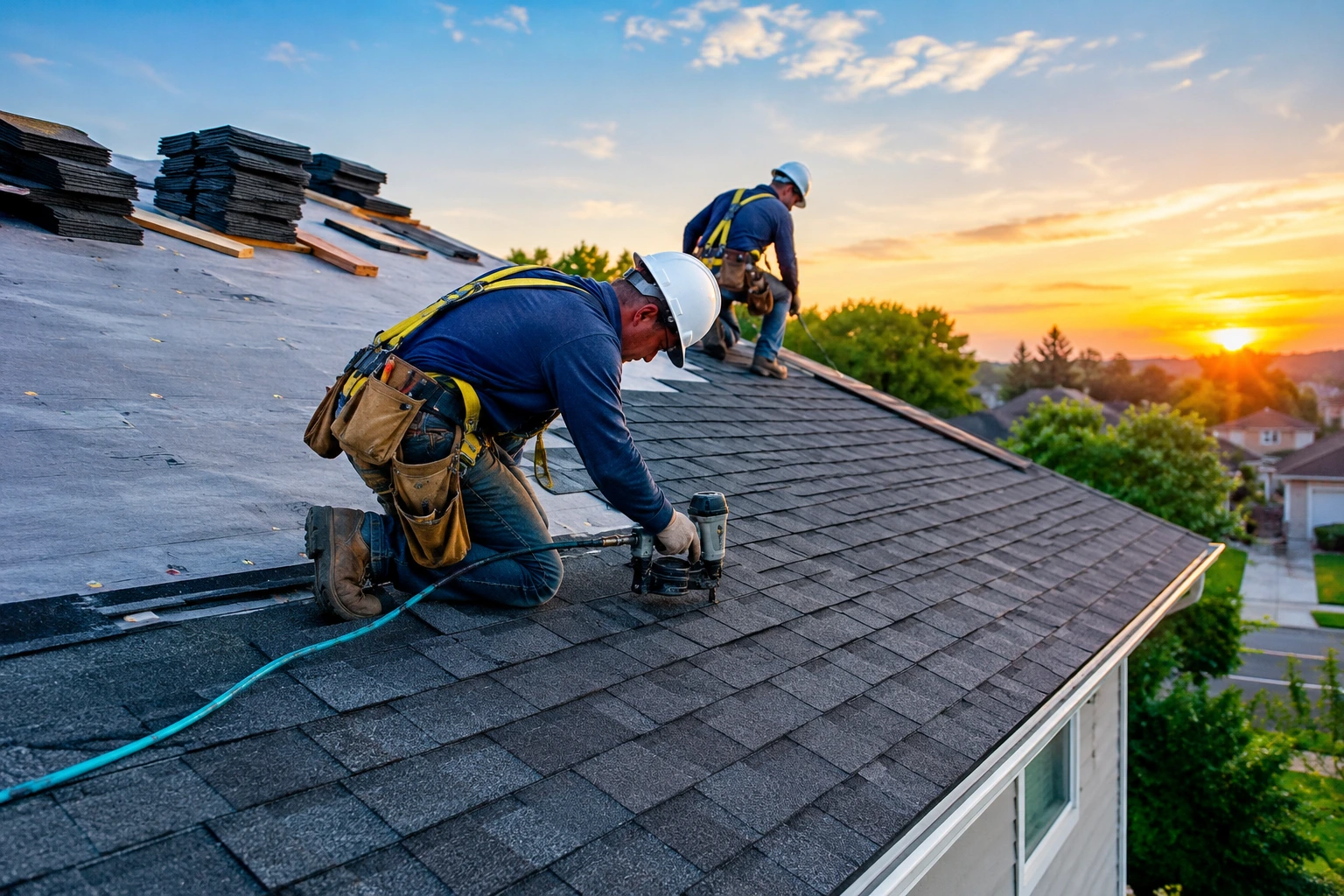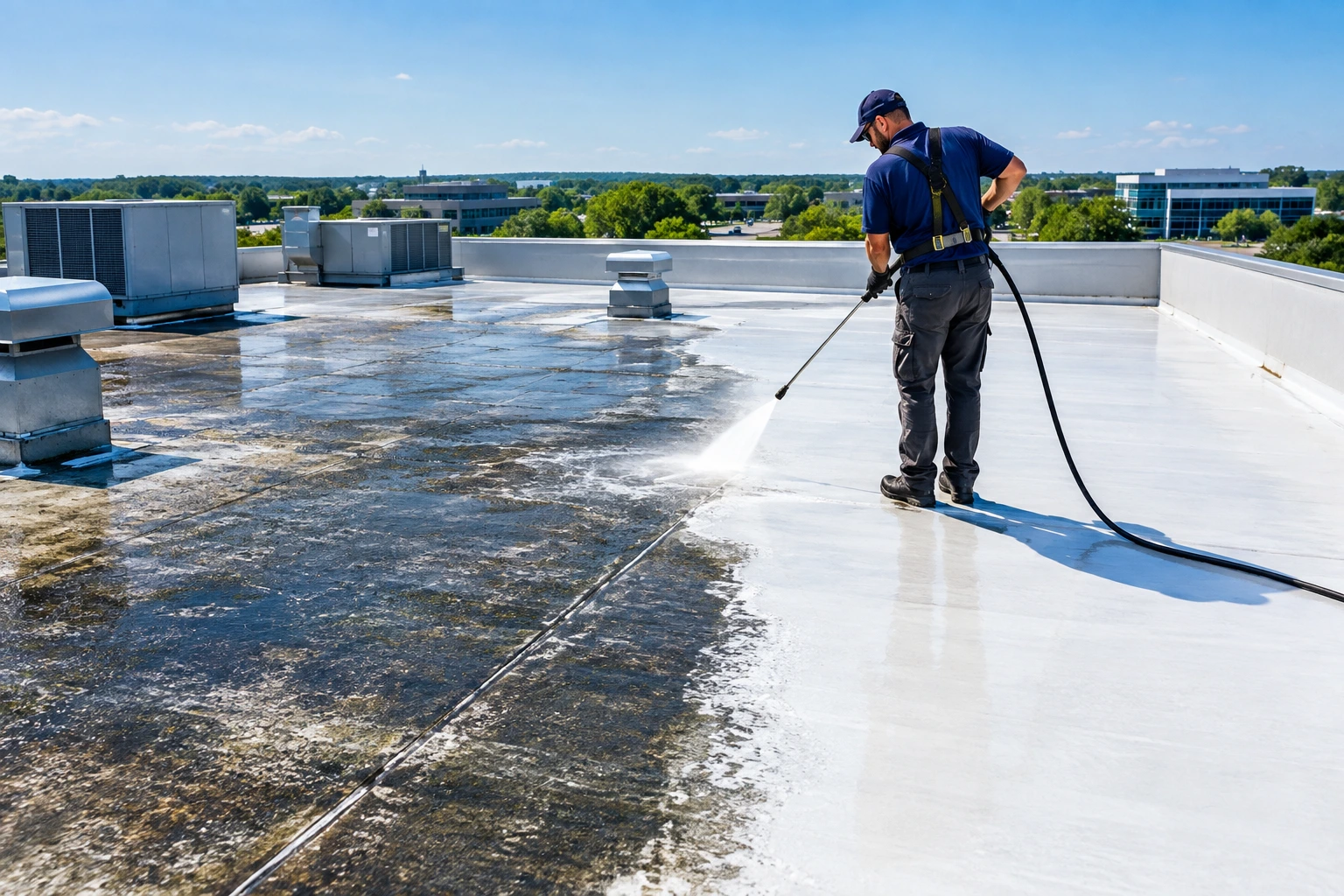
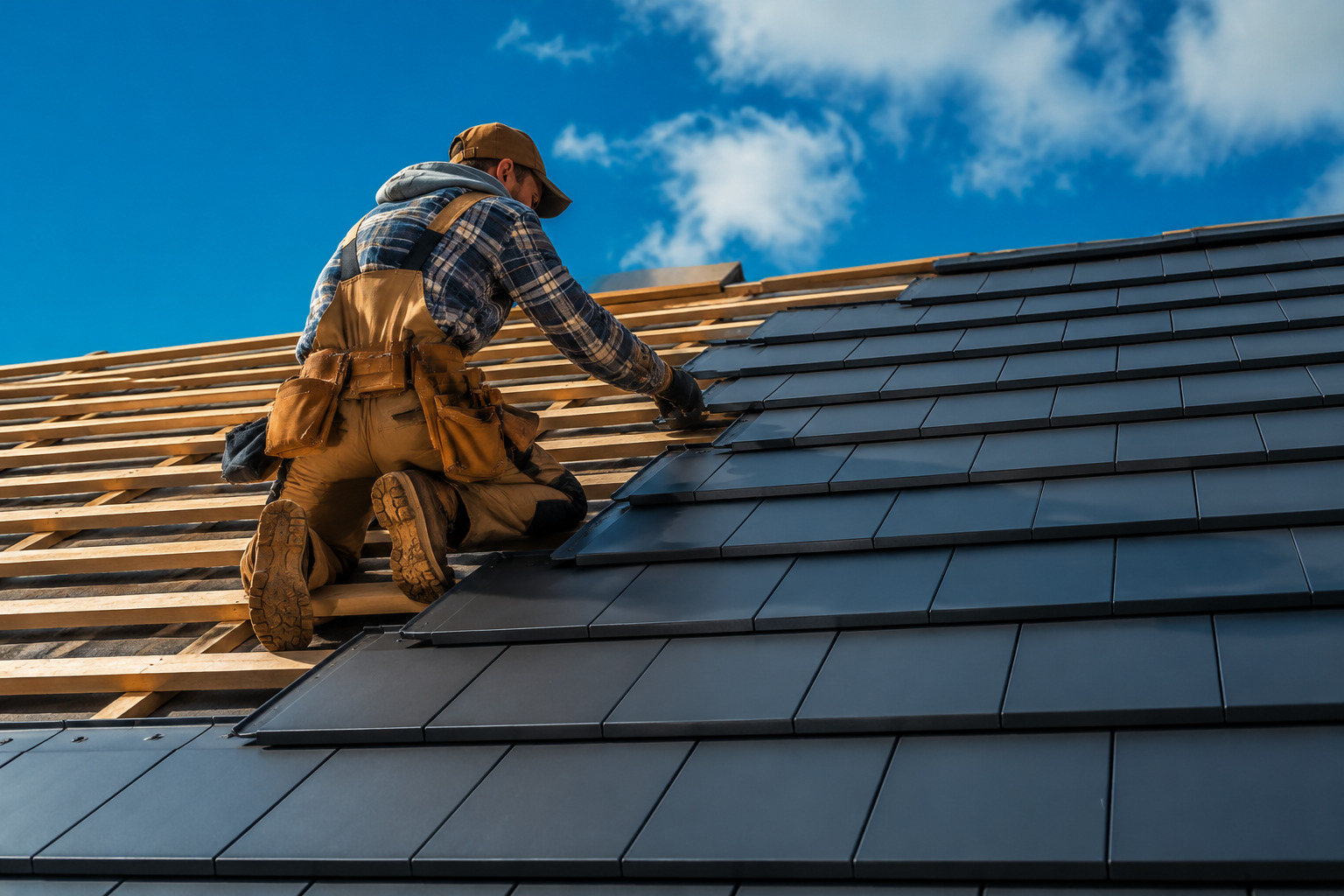
However, installing a new roof is a major investment that helps in protecting your home, improves energy efficiency, and enhances property value. You can select quality roofing materials, and understanding your warranty is equally essential. A clear Roof Installation Warranty Guide helps you understand what is covered, what your responsibilities are, and how to maintain your warranty over time.
Why Roof Warranties Matter?
If you have a roof warranty, it provides added confidence that your roofing investment is protected against certain defects or installation-related issues. A warranty offers peace of mind by outlining the support available if covered problems arise.
- Protect your investment
- Reduce unexpected repair costs
- Increase confidence in the roofing project
- Improve long-term property value
- Clarify maintenance responsibilities
You should understand your warranty before installation to help prevent misunderstandings later.
Different Types of Roof Warranties
A complete Roof Installation Warranty Guide includes two primary warranty categories.
Manufacturer Material Warranty
This warranty covers defects in roofing materials that occur during normal use. If roofing products fail because of manufacturing issues, replacement materials may be covered according to the warranty terms.
- Roofing material type
- Product specifications
- Installation requirements
- Proper roof maintenance
Always review the manufacturer’s warranty documentation carefully.
Workmanship Warranty
A workmanship warranty covers installation-related issues resulting from errors made during the roofing process. Proper installation has a major role in the roof’s long-term performance, making workmanship warranties an important part of any roofing project.
- Installation defects
- Improper flashing installation
- Incorrect fastening
- Water intrusion caused by installation errors
- Certain labour-related repairs
What Roof Warranties Cover?
Although coverage varies, many warranties commonly include different factors. Moreover, you must read the warranty documents carefully to understand specific coverage limitations.
- Manufacturing defects
- Approved replacement materials
- Certain installation issues
- Limited repair services
- Roofing component failures under covered conditions
What May Not Be Covered?
A Roof Installation Warranty Guide should also explain common exclusions, as it helps you plan regular maintenance and inspections.
- Storm damage
- Hail or tornado damage
- Fallen trees
- Fire damage
- Poor maintenance
- Animal damage
- Improper modifications
- Foot traffic damage
- Natural ageing beyond warranty limits
What are the Homeowner Responsibilities?
Roof warranties require you to maintain your roofs properly which practices helps preserve warranty eligibility.
- You can schedule periodic roof inspections
- Clean gutters regularly
- Remove roof debris
- Address minor damage promptly
- Prevent excessive moisture buildup
- Keep maintenance records
What is the Importance of Proper Documentation?
Maintaining organised records can simplify future warranty claims.
- Installation invoices
- Warranty certificates
- Inspection reports
- Maintenance records
- Repair receipts
- Photographs of completed work
It is essential to keep these documents in one place to ensure easy access if warranty service becomes necessary.
Benefits of Professional Roof Installation
Understanding the Benefits of Professional Roof Installation helps you maximize the value of your roofing investment.
- Professional installers follow recognized installation methods that improve roof performance and durability.
- Many roofing material warranties require installation in accordance with the manufacturer’s specifications.
- Correct installation reduces the likelihood of premature wear, leaks, and structural issues.
- Professionally installed roofs provide improved resistance against wind, rain, and changing weather conditions.
- Proper ventilation, insulation, and installation contribute to lower heating and cooling costs.
- A professionally installed roof improves curb appeal and increases buyer confidence should you decide to sell your home.
What are the Roof Installation Financing Options?
A new roof represents a financial investment for many homeowners. Fortunately, several Roof Installation Financing Options can help make the project more manageable.
Monthly Payment Plans
Many of you prefer structured monthly payments that spread the installation cost over an agreed period.
Home Improvement Loans
For renovation and roofing projects, some financial institutions offer loans.
Personal Loans
It depends on eligibility, personal loans may provide flexible funding for roof replacement or installation.
Home Equity Financing
Some of you choose to use available home equity to finance larger roofing projects.
Insurance Assistance
If roof replacement is required following covered damage, insurance may contribute toward eligible repair or replacement costs, depending on policy terms.
Before you select any of these Roof Installation Financing Options, you must carefully review repayment terms, interest rates, and eligibility requirements.
Questions to Ask Before Signing a Warranty
Before your roofing project begins, you must consider asking a few questions, which helps avoid confusion after installation.
- What type of warranty is included?
- How long does coverage last?
- What maintenance is required?
- Which repairs are covered?
- What situations void the warranty?
- Is the warranty transferable to future homeowners?
- How should warranty claims be submitted?
Which Tips to Follow for Protecting Your Roof Warranty?
Simple maintenance habits can help preserve warranty coverage, which supports both roof longevity and warranty protection.
- Schedule annual roof inspections.
- Remove leaves and debris regularly.
- Repair damaged flashing promptly.
- Keep gutters clean.
- Trim overhanging tree branches.
- Avoid unnecessary foot traffic on the roof.
- Address small leaks before they become major issues.
What are the Warranty Mistakes You Should Avoid?
Many warranty issues arise because you unintentionally violate warranty conditions. If you are proactive it helps maintain coverage throughout the warranty period
- Ignoring routine maintenance
- Delaying necessary repairs
- Hiring unqualified repair services
- Failing to keep documentation
- Making unauthorised roof modifications
- Overlooking inspection recommendations
Frequently Asked Questions
What is included in a Roof Installation Warranty Guide?
A Roof Installation Warranty Guide explains the types of warranties available, coverage details, exclusions, responsibilities, maintenance requirements, and warranty claim procedures.
Do Professional Roof Installation offer benefits?
The benefits of professional roof installation include proper workmanship, improved durability, better weather resistance, warranty compliance, enhanced energy efficiency, and a longer-lasting roofing system.
Which roof installation financing options are available?
The roof installation financing options include monthly payment plans, home improvement loans, personal loans, home equity financing, and eligible insurance assistance depending on the circumstances.
Can poor maintenance void a roof warranty?
Many warranties need regular maintenance, prompt repairs, and proper care. Moreover, if you neglect these responsibilities, it may affect warranty coverage.
How often should I inspect my roof after installation?
It is recommended to book a professional roof inspection at least once a year to identify potential issues early and help maintain warranty protection.