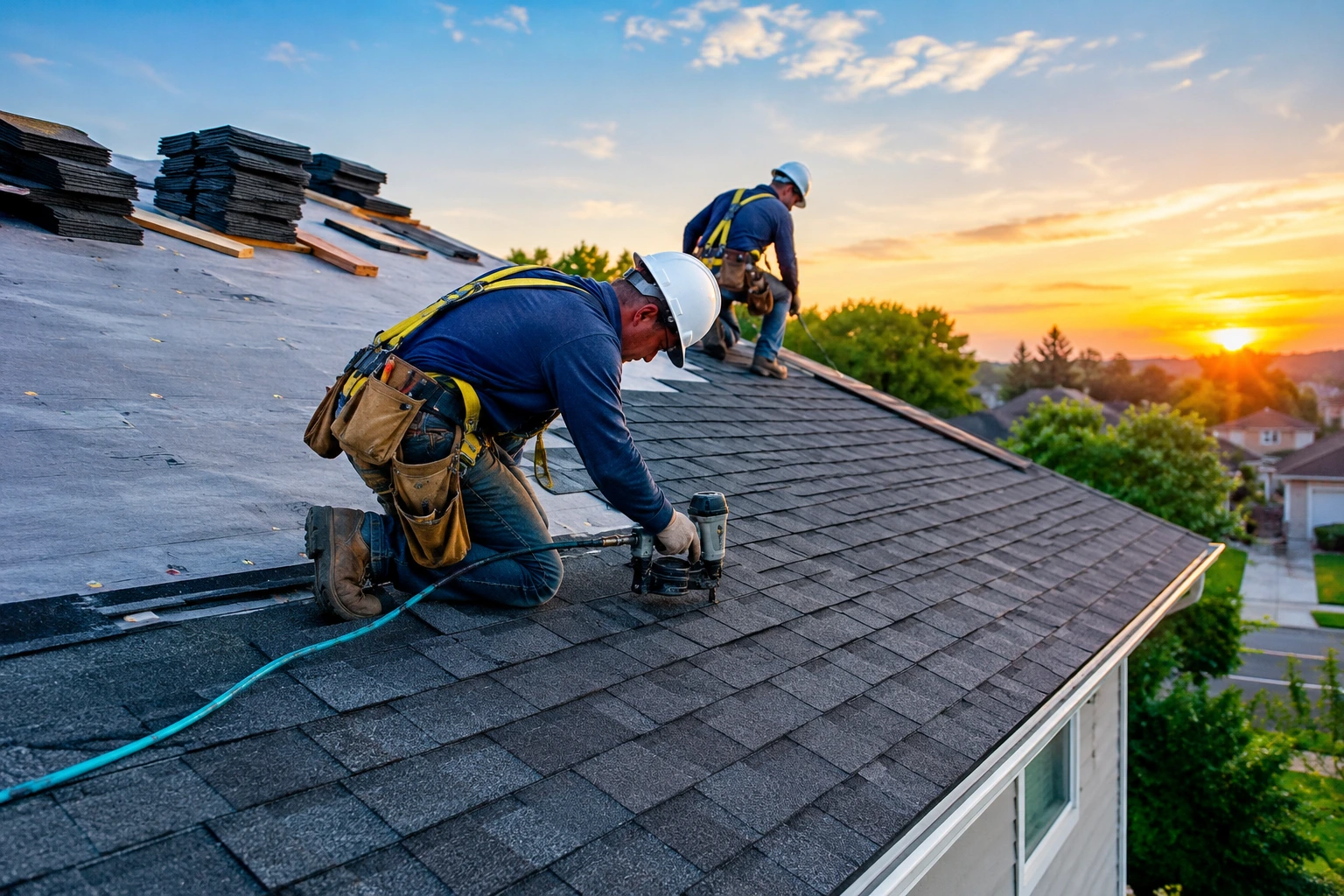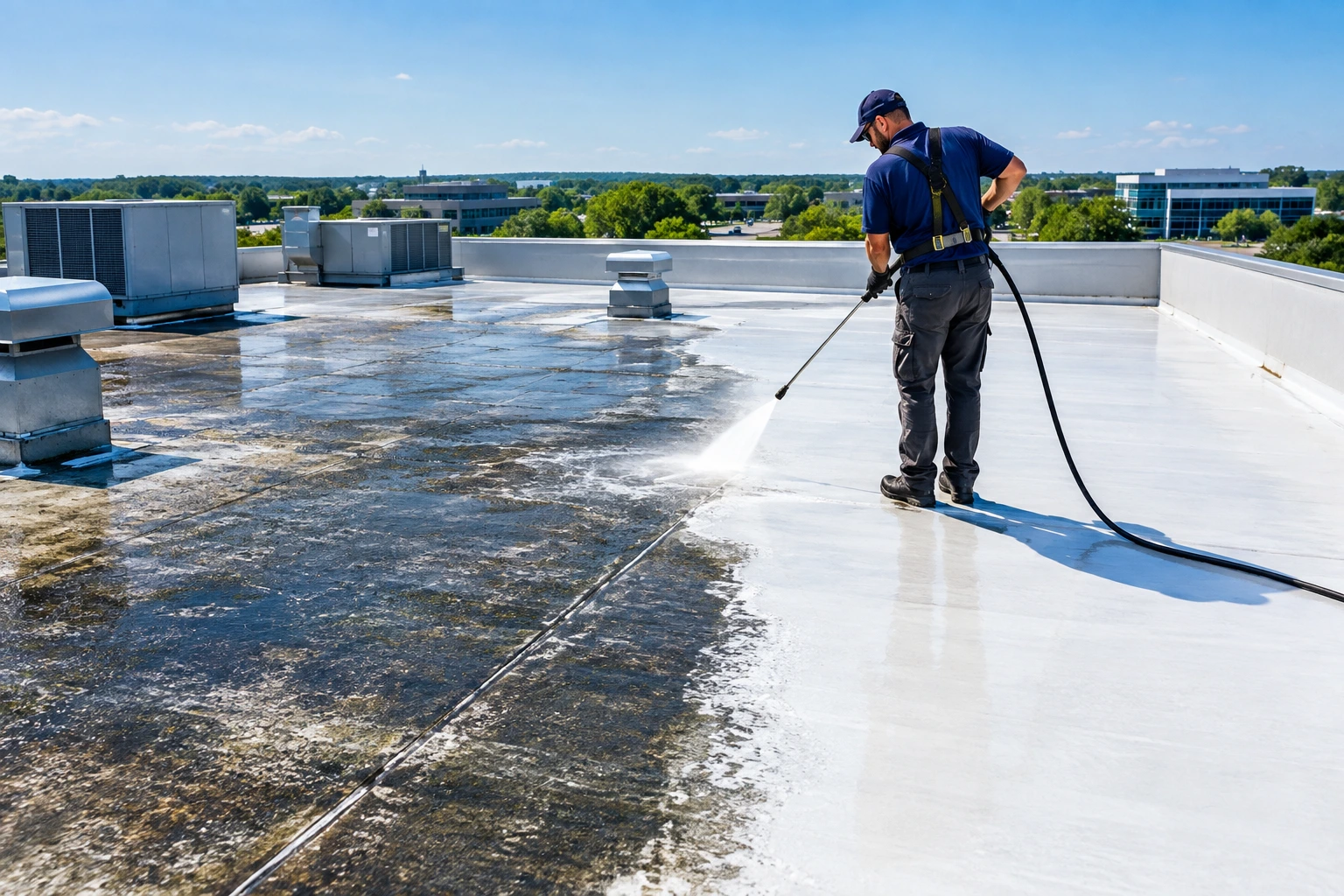
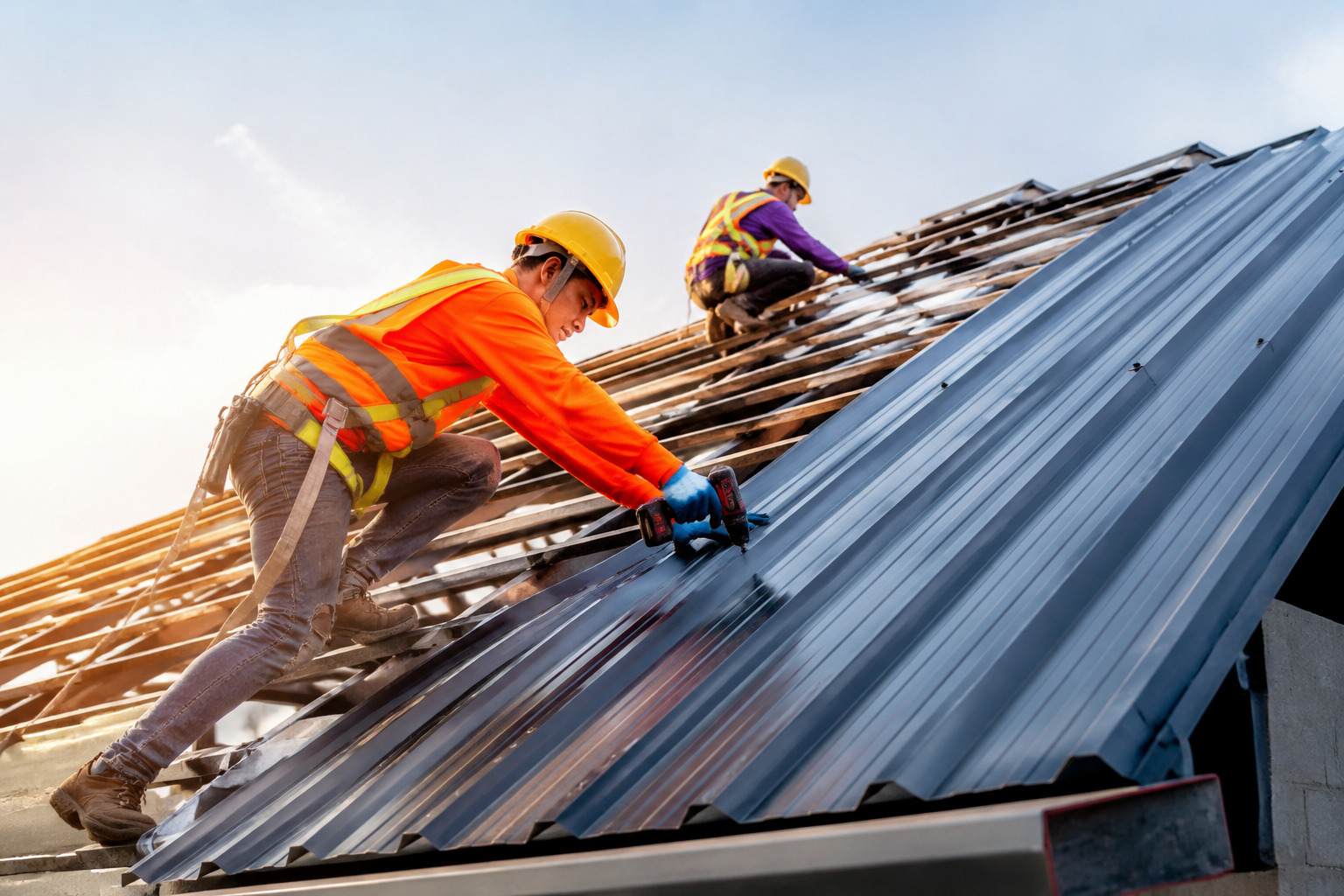
A new roof is the most valuable investment you can make in your property. It protects your home from severe weather, improves energy efficiency, and improves curb appeal. However, even high-quality roofing materials can fail prematurely if they are installed incorrectly. You must know the common roof installation mistakes to avoid, which helps you make informed decisions and ensure your roofing project delivers long-lasting performance.
Why Proper Roof Installation Matters?
A roof is more than just tiles. It is a complete system made up of underlayment, flashing, ventilation, decking, fasteners, and drainage components. If any part of the system is installed incorrectly, the entire roof can become vulnerable to leaks, structural damage, and costly repairs.
- Improve weather resistance
- Extend roof lifespan
- Increase energy efficiency
- Reduce maintenance costs
- Protect the home’s structure
- Maintain manufacturer warranty eligibility
You should invest in quality installation from the start, which can save more time and money in the future.
Which are the Common Roof Installation Mistakes to Avoid?
Poor Roof Inspection Before Installation
One of the most overlooked Common Roof Installation Mistakes to Avoid is skipping a thorough inspection before work begins. Existing roof decking, insulation, and structural components should be checked for signs of rot, moisture damage, or deterioration. Installing a new roof over damaged decking can lead to future failures and expensive repairs.
Use of Low-Quality Roofing Materials
You can choose roofing materials according to the price, which can affect long-term performance. Low-quality products may deteriorate faster, offer less weather protection, and require earlier replacement. If you select durable materials, it suits to your local climate helps maximize the lifespan of your roof.
Incorrect Underlayment Installation
It provides an important moisture barrier beneath roofing materials. Thus, issues like wrinkles, gaps, or improper overlaps allow water to penetrate beneath the roof covering. It is essential to install correctly to protect the roof deck from moisture damage.
Improper Flashing Placement
Flashing protects vulnerable areas such as chimneys, skylights, roof valleys, and vents. Incorrectly installed flashing is one of the most common causes of roof leaks. Check that the flashing is carefully positioned and securely sealed to prevent water infiltration.
Inadequate Roof Ventilation
Hot air and moisture escape from the attic with proper ventilation. Without adequate airflow, excess heat and humidity damages roofing materials, which increase cooling costs, and encourage mould growth. Ventilation should always be considered during roof installation.
Incorrect Fastener Placement
You must install nails and fasteners according to manufacturer guidelines. Overdriven, underdriven, or misplaced fasteners reduces the roof’s ability to hold in strong winds and extreme weather.
Ignoring Roof Slope Requirements
Different roofing materials are for specific roof pitches. Installing unsuitable materials on a roof with the wrong slope can increase the risk of leaks and water pooling.
Poor Sealing
Proper sealing is required in areas that surround vents, pipes, chimneys, and skylights. Weak seals allow water to enter the roofing system, which causes hidden damage. Careful attention to these details improves the overall durability of the roof.
Rushing the Installation Process
If you rush during installations, it result in uneven alignment, incomplete sealing, and overlooked defects. Moreover, you must take sufficient time to ensure every part of the roofing system is installed correctly.
Neglecting the Final Quality Inspection
Before the project is considered finished, we review each component to ensure proper alignment, secure fastening, clean quality, and complete installation.
Are There Benefits of Professional Roof Installation?
It is essential to understand the benefits of professional roof installation to help you appreciate the value of experienced roofing specialists.
Expert Knowledge
We understand different roofing systems, installation techniques, local building codes, and manufacturer recommendations.
Better Safety
Roof installation includes working at heights and handling specialized equipment. Professional teams follow safety procedures that minimize the risk of accidents during the project.
Long-Term Performance
One of the greatest Benefits of Professional Roof Installation is long-lasting performance. Correct installation helps the roof withstand wind, rain, snow, and changing weather conditions for many years.
Better Energy Efficiency
A properly installed roof improves insulation and ventilation, which helps to maintain ideal indoor temperatures and also reduces heating and cooling costs.
Warranty Protection
Many roofing material warranties require installation in accordance with the manufacturer’s specifications. Our quality helps maintain warranty eligibility and provides additional peace of mind.
Higher Property Value
A professionally installed roof enhances curb appeal and can increase your property’s resale value by reassuring potential buyers about the home’s condition.
What is Roof Installation Checklist for Homeowners?
Following a Roof Installation Checklist for Homeowners can help ensure your roofing project runs smoothly from start to finish.
Before Installation
- Schedule a complete roof inspection.
- Choose roofing materials suitable for your climate.
- Review project timelines and expectations.
- Confirm necessary permits if required.
- Protect landscaping and outdoor belongings.
During Installation
- Ensure damaged decking is replaced.
- Verify underlayment is installed correctly.
- Check flashing around roof penetrations.
- Confirm proper ventilation components are included.
- Monitor overall quality and site cleanliness.
After Installation
- Inspect the completed roof with your contractor.
- Remove construction debris from the property.
- Confirm gutters and drainage systems are clear.
- Request warranty documentation.
- Keep maintenance records for future reference.
Using this Roof Installation Checklist for Homeowners helps identify important details throughout the roofing project and supports a successful installation.
How to Maintain Your Newly Installed Roof?
To maximise the lifespan, even a professionally installed roof requires regular care. You can follow certain tips which can help you extend the lif of your roof.
- Inspect the roof after major storms.
- Clean gutters regularly.
- Remove debris from roof surfaces.
- Trim overhanging tree branches.
- Schedule routine roof inspections.
- Address minor repairs promptly.
Frequently Asked Questions
What is the most common roof installation mistake?
Improper flashing installation is one of the most common mistakes, as it can lead to water leaks around chimneys, vents, skylights, and roof valleys.
What Benefits do Professional Roof Installation provides?
The benefits of professional roof installation include quality workmanship, improved safety, better energy efficiency, warranty protection, and a longer-lasting roofing system.
Is ventilation important during roof installation?
Proper ventilation helps regulate attic temperature, reduces moisture buildup, prevents mould growth, and extends the life of roofing materials.
What is included in a Roof Installation Checklist?
A roof installation checklist should cover roof inspection, material selection, underlayment, flashing, ventilation, final inspection, warranty documentation, and post-installation cleanup.