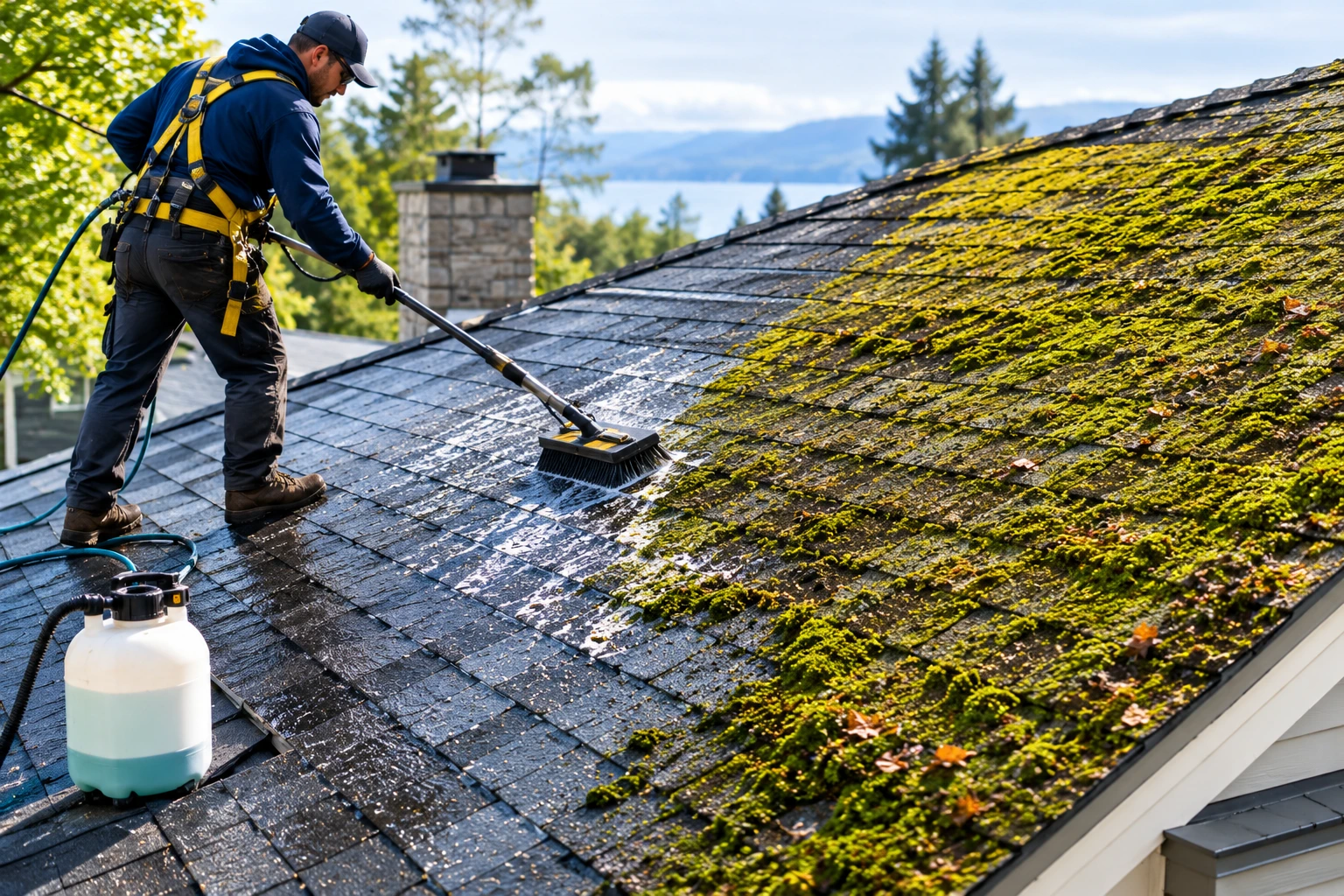
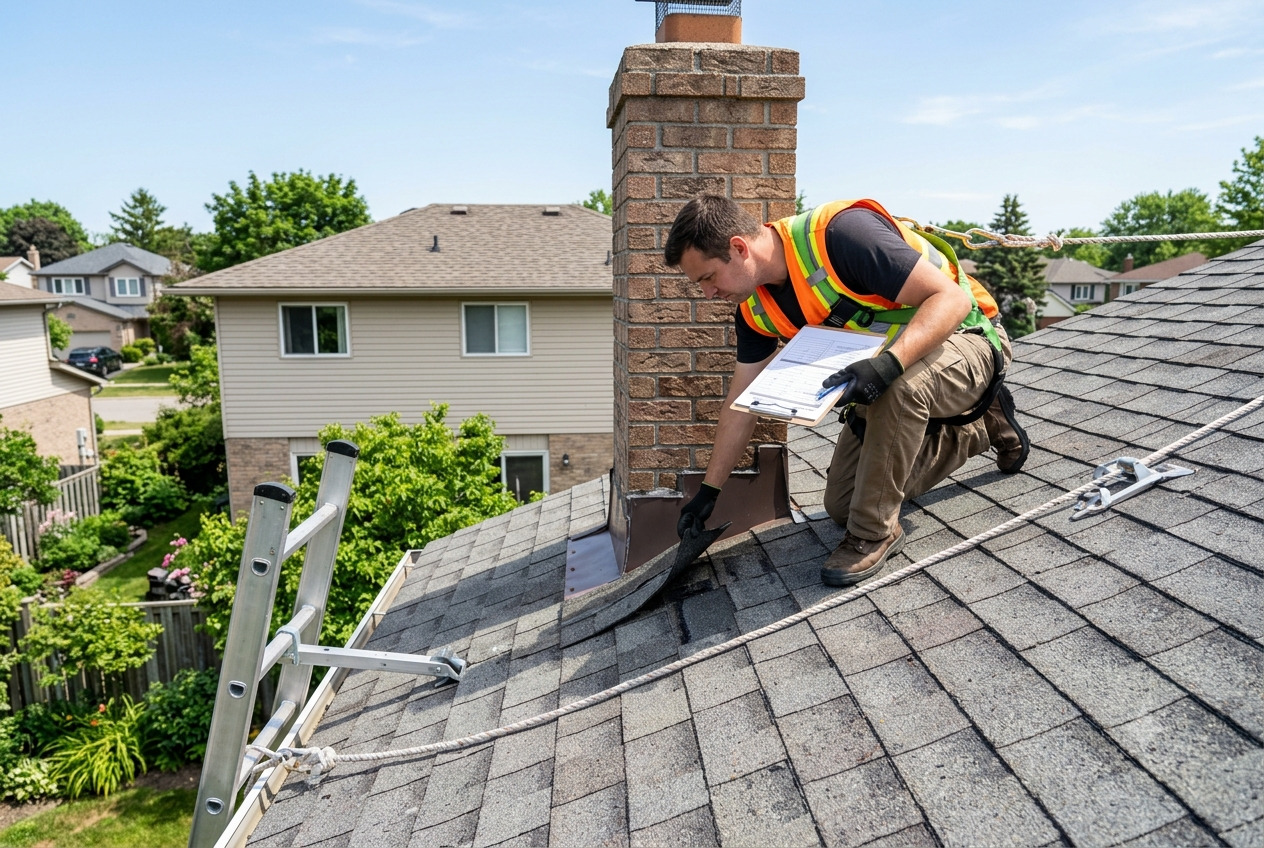
Severe weather takes a toll on any roofing system. Heavy rain, strong winds, hail, and falling debris often leave behind damage that is not immediately visible from the ground. You can schedule a Storm Damage Roof Inspection in Delaware after a storm to identify hidden problems before they lead to expensive repairs or structural damage.
Why Storm Damage Roof Inspections are Important?
Storms affect roofs in different ways, which depends on wind speed, hail size, rainfall intensity, and the age of the roofing materials. A comprehensive storm damage roof inspection in Delaware helps uncover issues that may not be noticeable until they become serious.
- Detecting hidden storm damage early
- Preventing costly future repairs
- Identifying water intrusion points
- Protecting your home’s structural integrity
- Extending the life of your roof
- Supporting insurance documentation when needed
- Improving overall roof performance
Early detection often means smaller repairs instead of complete roof replacements.
Which are the Signs of Storm Damage?
After severe weather, you should look for warning signs that indicate the roof may require professional attention.
- If there are missing or lifted shingles
- Cracked or broken roofing materials
- Granule loss on asphalt shingles
- Damaged flashing around chimneys and vents
- Loose gutters or downspouts
- Water stains on ceilings
- Damp attic insulation
- Visible roof sagging
- Debris impact marks
- Tree branch damage
Even minor signs indicate larger hidden issues beneath the roofing surface.
What is a Hail Damage Roof Inspection Guide?
Hailstorms can create significant roofing problems even when hailstones appear small. Following a proper Hail Damage Roof Inspection Guide helps identify damage before leaks develop.
During a hail inspection, roofing professionals examine different areas.
Shingle Surface
Hail can bruise or crack shingles, reducing their ability to protect the roof from moisture.
Flashing
Metal flashing around chimneys, skylights, and roof penetrations may become dented or loosened after hail impact.
Gutters and Downspouts
Dents in gutters often indicate hail intensity and can signal possible roof damage.
Roof Vents
Plastic or metal vents may crack or become damaged during severe hailstorms.
Skylights
Glass and seals are checked for chips, cracks, or impact damage.
Following a thorough Hail Damage Roof Inspection Guide helps you address damage promptly and prevent future water intrusion.
Wind Damage Roof Inspection Services
Strong winds can lift roofing materials without completely removing them. Once shingles lose their seal, rainwater can easily penetrate beneath the roofing system.
Professional Wind Damage Roof Inspection Services evaluate both visible and hidden wind-related issues.
- Lifted shingles
- Missing roofing materials
- Exposed underlayment
- Ridge cap damage
- Loose flashing
- Chimney connections
- Roof edges
- Fascia boards
- Soffits
- Gutter attachment points
Moreover, you can schedule Wind Damage Roof Inspection Services after every major storm to help preserve your roof’s long-term performance.
How to do Roof Leak Inspection Before Repairs?
Before beginning any repair work, it is essential to complete a detailed Roof Leak Inspection Before Repairs. Fixing only the visible leak may not resolve the underlying cause.
- Damaged flashing
- Cracked shingles
- Loose roof vents
- Failed sealants
- Valley deterioration
- Chimney gaps
- Skylight leaks
- Ice dam damage
What Happens During a Professional Roof Inspection?
A complete roof inspection involves much more than a quick visual examination.
- Roofing professionals inspect the overall condition of shingles, flashing, vents, valleys, gutters, and roof edges.
- Inspectors look for signs of sagging, uneven roof surfaces, and structural movement.
- Attics are checked for water stains, mold, moisture buildup, and insulation damage.
- Proper drainage is evaluated to ensure rainwater flows efficiently away from the roof.
- Photographs and written reports help homeowners understand existing damage and recommended repairs.
How Storm Damage Affects Different Roofing Materials?
Different roofing materials respond differently to severe weather.
- Asphalt Shingles can experience granule loss, cracking, lifting, and missing tabs.
- Metal Roofs may develop dents from hail or experience loose fasteners after strong winds.
- Tile roofs can sustain heavy impacts that crack individual tiles while leaving surrounding areas unaffected.
- Flat roofs that stand water after storms can weaken membranes and increase the risk of leaks.
Understanding how each material reacts allows inspectors to perform more accurate evaluations.
When Should You Schedule a Roof Inspection?
You should arrange a professional inspection.
- Immediately after hailstorms
- Following strong wind events
- After hurricanes or tropical storms
- If tree branches fall on the roof
- When interior water stains appear
- Before buying or selling a home
- As part of annual preventive maintenance
Prompt inspections reduce the likelihood that hidden damage will worsen over time.
Preventive Maintenance After Storm Damage
Once repairs are completed, routine maintenance improves long-term roof performance, reduces the impact of future storms, and helps maximize the lifespan of your roofing system.
- Cleaning gutters regularly
- Removing roof debris
- Trimming overhanging tree branches
- Inspecting flashing annually
- Checking attic ventilation
- Replacing damaged shingles promptly
- Scheduling yearly roof inspections
Frequently Asked Questions
How soon should I schedule a storm damage roof inspection after severe weather?
It is best to schedule a Storm Damage Roof Inspection as soon as it is safe after a storm. Thus, early inspections identify hidden damage before it leads to leaks, mold growth, or structural problems.
What does a hail damage roof inspection include?
A Hail Damage Roof Inspection Guide includes checking shingles for impact marks and inspecting flashing, gutters, roof vents, skylights, and other roofing components for cracks, dents, or other hail-related damage.
Can strong winds damage a roof even if no shingles are missing?
Wind-damage roof inspection services reveal lifted shingles, loose flashing, damaged roof edges, or weakened seals that may not be visible from the ground but can still allow water to penetrate the roof.
Why is a roof leak inspection important before repairs?
A roof leak inspection before repairs helps locate the actual source of the leak rather than just the visible water damage. This ensures repairs address the root cause and reduces the risk of recurring leaks.
How often should I inspect roofs in Delaware?
You should book a professional roof inspection at least once a year. With regular inspections you can detect wear and tear early, extend the roof’s lifespan, and reduce the costly emergency repairs.