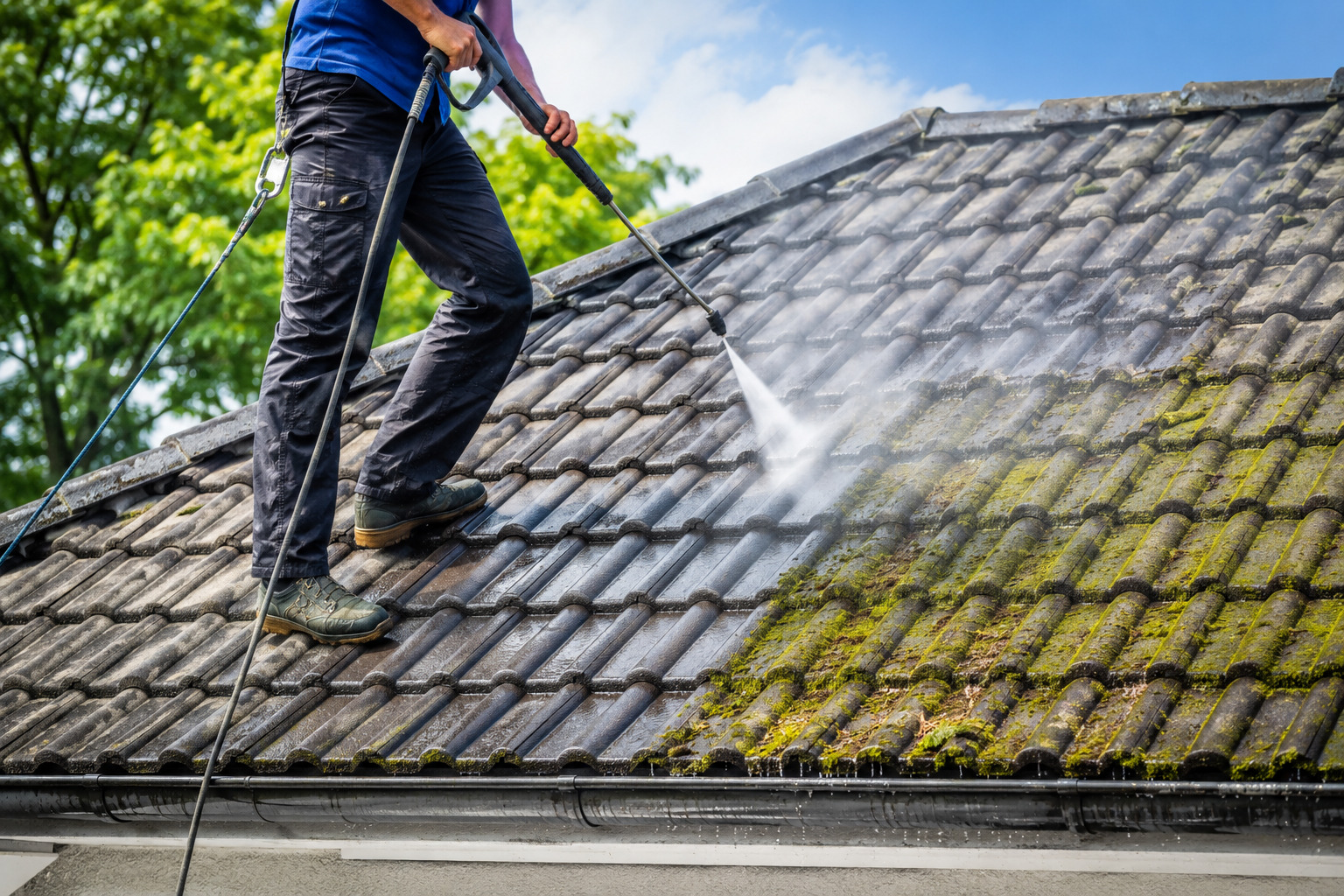
Keeping your roof clean is an essential part of home maintenance, especially in areas like Dover, Delaware, where seasonal weather, humidity, and falling debris can contribute to roof stains and organic growth. You should follow proper Roof Cleaning Guidelines in Dover, DE, to help preserve your roof’s appearance, improve drainage, and extend your roofing materials’ lifespan.
Why Roof Cleaning Matters?
Your roof is exposed to rain, wind, sunlight, leaves, and airborne debris. Over time, dirt, algae, moss, and mildew can accumulate, affecting both the appearance and condition of the roof. Regular roof cleaning offers several benefits.
- Improves curb appeal
- Helps prevent moisture buildup
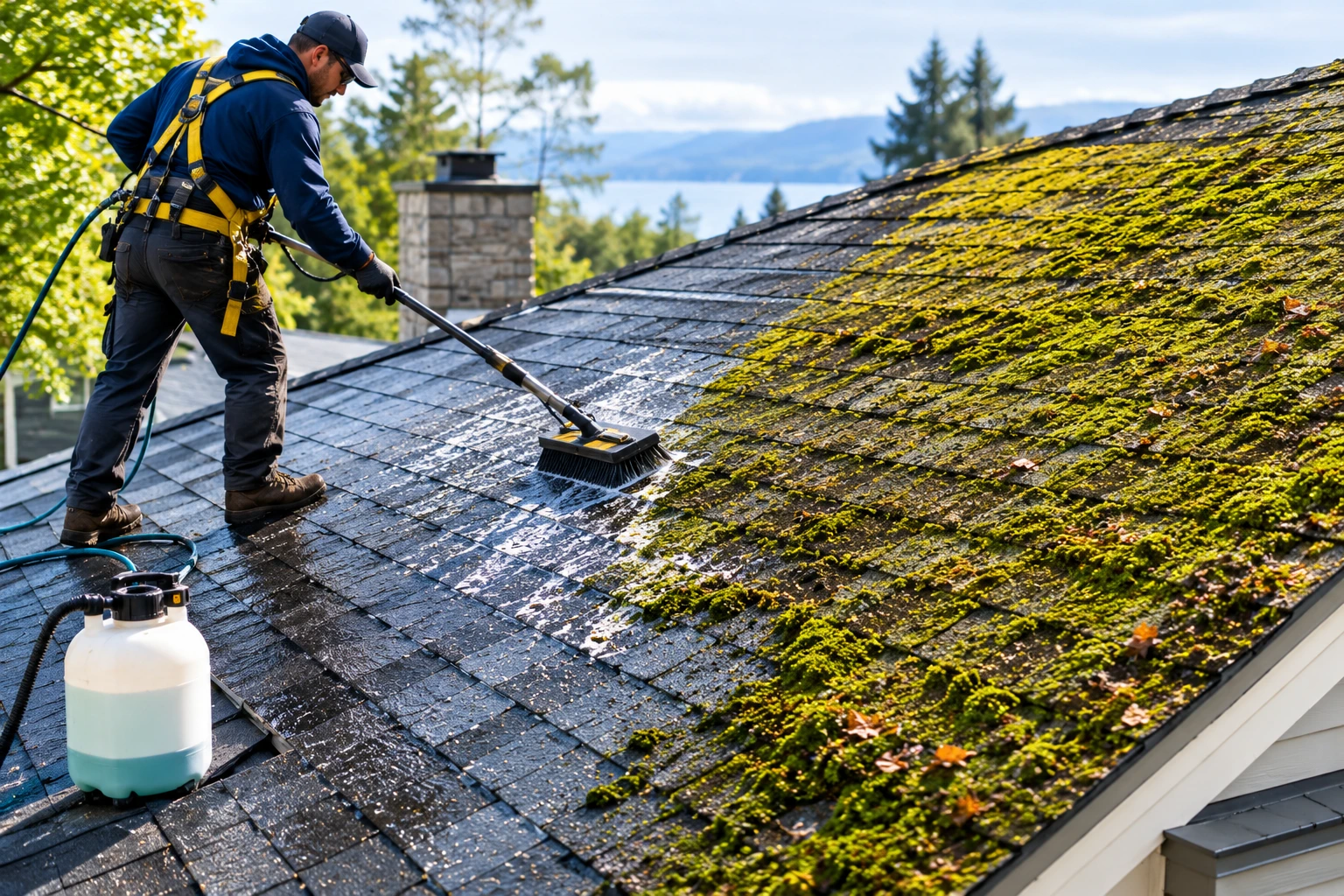
- Removes algae and moss
- Supports proper water drainage
- Extends the lifespan of roofing materials
- Makes routine roof inspections easier
- Helps identify damaged areas early
You must follow the Roof Cleaning Guidelines in Dover, DE to ensure your roof remains in good condition and reduce the likelihood of premature wear.
What are the Roof Problems in Delaware?
Delaware’s changing seasons can expose roofs to a variety of environmental conditions. You should watch for common issues such as:
- Moss growth in shaded areas
- Black algae streaks
- Lichen development
- Leaf accumulation
- Blocked gutters
- Tree debris
- Mold and mildew
- Standing water caused by clogged drainage
Understanding these challenges is an important part of Roof Cleaning Guidelines for Homes in Delaware, allowing you to take preventive action before problems worsen.
Which is the Best Time to Clean Your Roof?
When you schedule roof cleaning during favorable weather conditions, it improves safety and cleaning results.
- Early spring
- Late spring
- Early fall
- Mild summer mornings
Avoid roof cleaning during heavy rain, freezing temperatures, or high winds. Dry weather allows cleaning solutions to work effectively while reducing the risk of slipping.
Signs Your Roof Needs Cleaning
While you should inspect regularly, it helps to know when roof cleaning is necessary.
- Dark streaks
- Green moss patches
- White lichen spots
- Excessive dirt buildup
- Overflowing gutters
- Leaves collecting in roof valleys
- Water not draining properly
Following Residential Roof Cleaning Guidelines helps you address these issues before it leads to more serious roof damage.
How to Choose the Right Cleaning Method?
Different roofing materials require different cleaning techniques.
- Soft washing uses low-pressure water combined with roof-safe cleaning solutions to remove algae, dirt, and mildew without damaging shingles.
- Leaves, branches, and loose debris can often be removed using a soft broom or roof rake before washing begins.
- Low-Pressure Rinsing removes cleaning solution residue while protecting roofing materials from unnecessary wear.
These methods are commonly recommended in Roof Cleaning Guidelines for Homes in Delaware because they clean effectively while minimizing the risk of roof damage.
Protect Your Gutters During Roof Cleaning
Roof maintenance should always include gutter cleaning. It is crucial to remove leaves and debris from gutters to improve overall roof performance.
- Direct rainwater away from the home
- Prevent roof edge damage
- Reduce standing water
- Minimize foundation issues
- Prevent overflow during storms
How to Prevent Moss and Algae Growth?
While you follow preventive maintenance, you reduce the need for extensive roof cleaning.
- Trim overhanging tree branches.
- Remove leaves regularly.
- Improve roof ventilation.
- Keep gutters clear.
- Eliminate standing water where possible.
- Schedule annual roof inspections.
When you follow Residential Roof Cleaning Guidelines, it helps you maintain cleaner roofing surfaces year-round.
What are the Roof Cleaning Tips for Different Roofing Materials?
You should choose the appropriate cleaning method that helps preserve the appearance and longevity of every roofing system.
- Asphalt shingles: Use gentle cleaning solutions and avoid high-pressure washing that may remove protective granules.
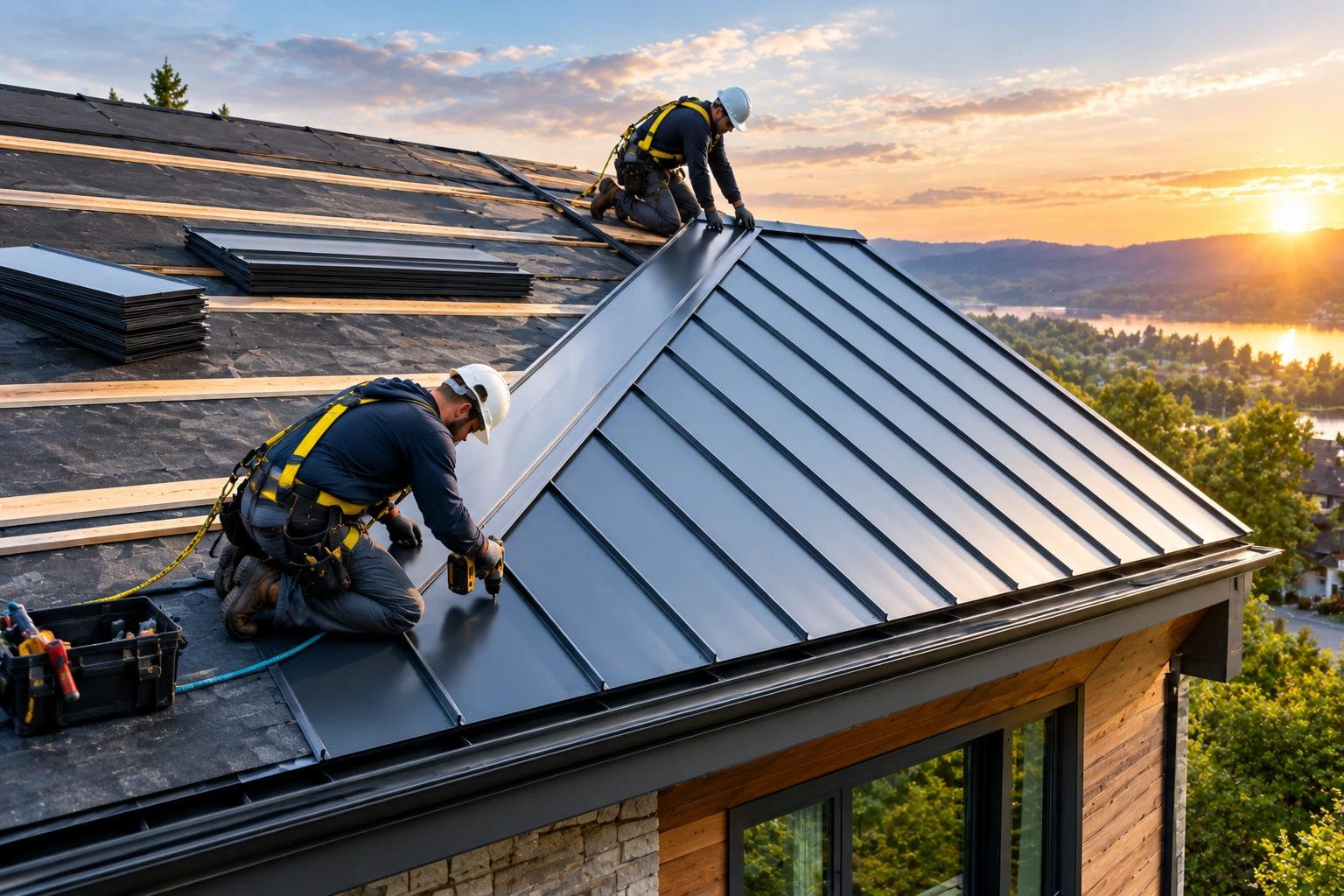
- Metal roofs: Clean with soft detergents and soft brushes to avoid scratching protective coatings.
- On tile roofs, walk carefully to avoid cracking tiles, and remove moss before it spreads.
- Slate roofs require extra caution, as slate can become slippery and fragile during maintenance.
What is the Seasonal Roof Maintenance Checklist?
A simple seasonal maintenance routine can help protect your roof year-round.
Spring
- Inspect for winter damage.
- Remove debris.
- Clean gutters.
- Check flashing.
Summer
- Inspect for algae growth.
- Trim nearby trees.
- Examine attic ventilation.
Fall
- Remove leaves.
- Clean valleys.
- Inspect drainage systems.
- Prepare for winter weather.
Winter
- Monitor for blocked gutters.
- Watch for excessive debris.
- Schedule inspections if necessary.
These seasonal recommendations support the Roof Cleaning Guidelines in Dover, DE, by encouraging consistent roof care year-round.
Which Roof Cleaning Mistakes to Avoid?
Avoid these common errors during roof maintenance, and helps reduce repair costs and protects roofing materials from unnecessary wear.
- Using excessive water pressure
- Walking on fragile roofing materials unnecessarily
- Ignoring damaged shingles
- Cleaning during poor weather
- Using harsh chemicals
- Neglecting gutter maintenance
- Delaying roof inspections
Are There Long-Term Benefits of Regular Roof Cleaning?
Our regular roof cleaning provides lasting advantages beyond appearance.
- Longer roof lifespan
- Better drainage
- Improved energy efficiency
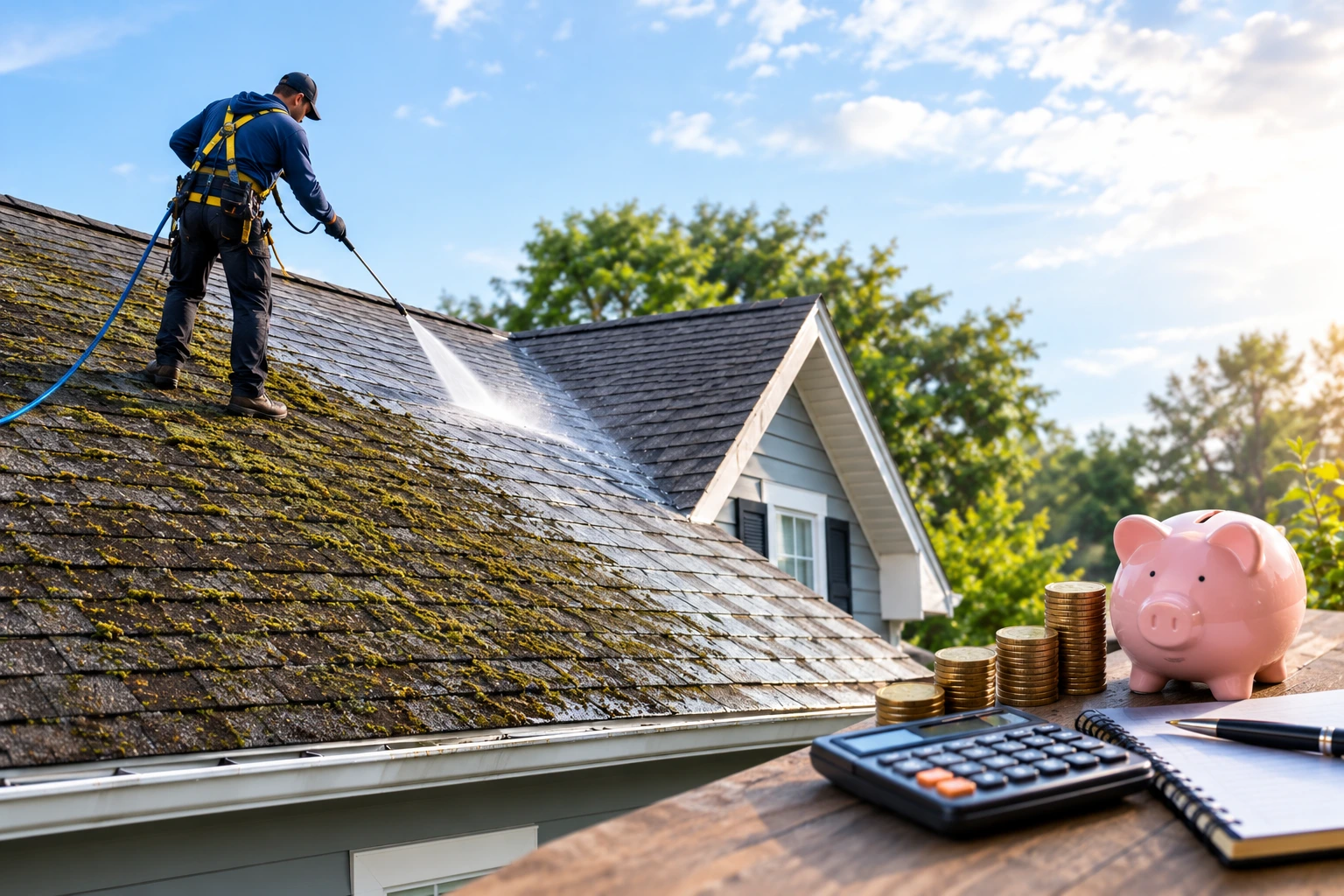
- Reduced maintenance costs
- Early detection of roofing problems
- Enhanced property appearance
- Better protection against moisture damage
Following Roof Cleaning Guidelines for Homes in Delaware helps you protect one of the most valuable parts of your property while supporting long-term structural performance.
Frequently Asked Questions
How often should I clean my roof in Dover, DE?
You should inspect your roof at least twice a year and schedule cleaning every 1–3 years, which depends on tree coverage, weather conditions, and the algae, moss, or debris presence.
What is the safest method for cleaning a residential roof?
Soft washing with low-pressure water and roof-safe cleaning solutions is considered one of the safest methods for most roofing materials.
Why is roof cleaning important for homes in Delaware?
Delaware has a humid climate and seasonal weather that encourages the growth of algae, moss, and mildew while allowing leaves and debris to accumulate.
Can roof cleaning help prevent expensive roof repairs?
Regular roof cleaning removes debris and organic growth that traps moisture and damages roofing materials over time.
What are the signs that my roof needs cleaning?
The signs include black streaks, green moss, lichen, accumulated leaves, clogged gutters, water pooling, and visible dirt buildup. If you notice any of these issues, it is a good idea to follow proper roof cleaning practices.