Installing a new roof is one of the most important investments you can make for your home. A properly installed roof not only enhances curb appeal but protects your property from weather damage, improves energy efficiency, and increases overall property value. If you want to replace an old roof or build a new home, you must understand what are the steps of installing a roof? can help you make informed decisions and ensure a smooth process. We will walk you through each stage of roof installation, explain timelines, and answer key questions, such as how many days it takes to install a roof and who will install my new roof.
Why Proper Roof Installation Matters?
However, it is important to understand why proper installation is crucial. As, a poorly installed roof can cause costly repairs, mold growth, and even structural issues.
- Prevents leaks and water damage
- Improves insulation and energy efficiency
- Extends roof lifespan
- Enhances structural integrity
- Boosts home resale value
What Are the Steps of Installing a Roof?
There is a step-by-step breakdown of the entire roof installation process, that you must know while roof installation.
Initial Inspection and Planning
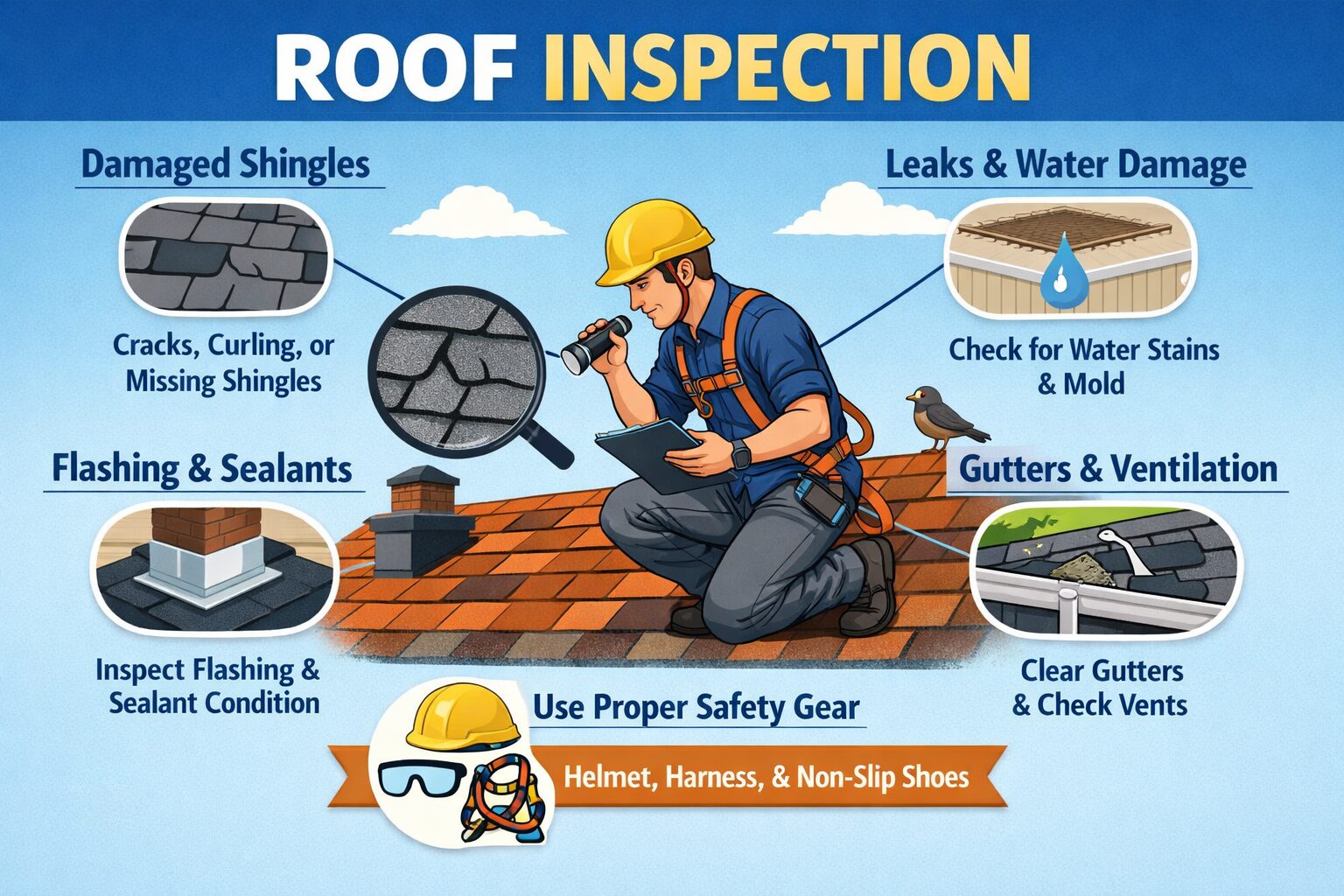
The first step in installing a roof is a thorough inspection of the existing structure.
- Assessment of current roof condition
- Measurement of roof dimensions
- Identification of damage or weak spots
- Selection of roofing materials
Why it matters
This step ensures that the installation plan is tailored to your home’s needs and prevents surprises during construction.
Choosing the Right Roofing Material
Before installation begins, you need to select the appropriate material.
Common roofing materials include
- Asphalt shingles
- Metal roofing
- Clay or concrete tiles
- Slate roofing
- Wood shakes
Factors to consider:
- Climate
- Budget
- Durability
- Aesthetic appeal
The material you choose will influence both the installation process and how long it takes.
Preparing the Work Area
Preparation is the primary aspect for a safe and efficient installation. Thus, proper preparation minimizes disruption and ensures safety for both workers and homeowners.
- Protecting landscaping and outdoor furniture
- Setting up safety equipment
- Arranging dumpsters for debris
- Covering attic items to prevent dust damage
Removing the Old Roof
If you are replacing an existing roof, the old materials must be removed.
- Stripping off shingles or tiles
- Removing underlayment
- Inspecting decking underneath
Important note:
This step can reveal hidden issues like rot or water damage that must be fixed before proceeding.
Inspecting and Repairing Roof Decking
The roof deck is the foundation of the roofing system.
- Damaged or rotting wood is replaced
- Weak areas are reinforced
- Surface is cleaned and prepared
A strong deck ensures your new roof will last longer and perform better.
Installing Drip Edge
This edge is a metal flashing that is installed along the edges of the roof. This small but essential component helps protect the roof structure from moisture.
- Directs water away from the fascia
- Prevents water damage
- Improves overall drainage
Installing Underlayment
Underlayment is a protective barrier installed between the decking and roofing material.
Types include:
- Felt underlayment
- Synthetic underlayment
- Ice and water shield
Benefits:
- Adds an extra layer of protection
- Prevents leaks
- Improves waterproofing
Flashing Installation
Flashing is installed around vulnerable areas, like:
- Chimneys
- Skylights
- Roof valleys
- Vents
Why flashing is important:
It prevents water from seeping into joints and openings, which are common leak points.
Installing Roofing Material
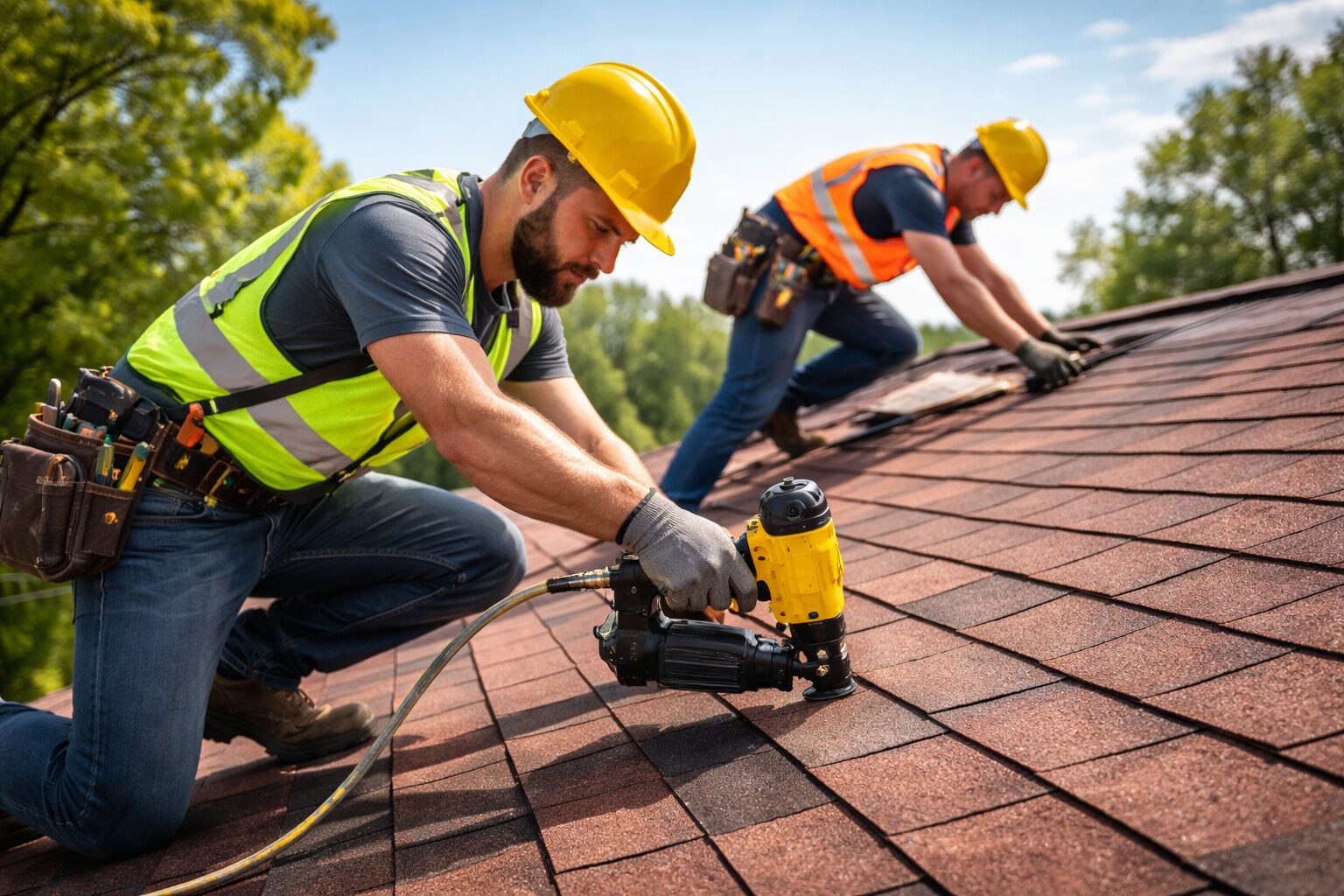
This is the most visible and significant step in the process.
Depending on the material:
- Shingles are nailed in overlapping rows
- Metal panels are secured with fasteners
- Tiles are carefully placed and aligned
- Proper alignment
- Secure fastening
- Weather resistance
This step determines both the appearance and durability of your roof.
Installing Ridge Cap
The ridge cap is placed at the peak of the roof, which is essential to complete the roofing system.
- Seals the top of the roof
- Provides ventilation
- Enhances appearance
Ventilation Setup
Proper ventilation is crucial for maintaining roof health.
Includes
- Ridge vents
- Soffit vents
- Exhaust vents
Benefits
- Prevents moisture buildup
- Regulates temperature
- Extends roof lifespan
Final Inspection and Cleanup
After your installation is complete, a final inspection is conducted. A thorough cleanup leaves your property looking neat and ensures no hazards remain.
- Checking for proper installation
- Ensuring all components are secure
- Cleaning debris and nails
- Verifying safety standards
How Many Days to Install a Roof?
One of the most common questions homeowners ask is: how many days to install a roof?
Timeline
The time required depends on several factors.
Roof Size
- Small homes: 1–2 days
- Medium homes: 2–4 days
- Large or complex roofs: 5–7 days
Material Type
- Asphalt shingles: Faster (1–3 days)
- Metal roofing: Moderate (3–5 days)
- Tile or slate: Longer (5–10 days)
Weather Conditions
Rain, wind, or extreme heat can delay installation.
Structural Repairs
If decking or support structures need repair, the timeline increases.
What is the Average Installation Time?
In most cases, a standard residential roof installation takes 2 to 5 days. However, complex projects may take longer, especially if custom materials or designs are involved.
Who Will Install My New Roof?
Another important question is: who will install my new roof?
Roofing Professionals Involved
A typical roofing project includes a team of skilled professionals:
1. Roofing Contractors
They oversee the entire project, manage the team, and ensure quality work.
2. Roof Installers
These are trained workers who handle the actual installation process.
3. Project Managers
They coordinate schedules, materials, and communication with homeowners.
4. Inspectors
They ensure the roof meets safety and building standards.
What to Expect from Your Roofing Team?
When hiring professionals, you can expect:
- Detailed project estimates
- Transparent timelines
- Safety compliance
- Quality workmanship
- Warranty on materials and labor
Choosing experienced installers ensures your roof is installed correctly and lasts for years.
Signs You Need a New Roof Installation
If you are unsure whether you need a new roof, look for these signs:
- Missing or damaged shingles
- Frequent leaks
- Sagging roof structure
- Mold or mildew growth
- Roof age (20–30 years for most materials)
If you ignore the signs, it can cause more extensive damage and higher repair costs.
Which Cost Factors to Consider in Roof Installation?
While costs vary, several factors influence pricing. Moreover, investing in quality materials and skilled labor can save money in the long run.
- Roof size and complexity
- Material type
- Labor costs
- Structural repairs
- Location and accessibility
How to Get a Smooth Roof Installation?
To ensure a hassle-free experience.
1. Plan Ahead
Schedule installation during favorable weather conditions.
2. Clear the Area
Remove vehicles and outdoor items near the work zone.
3. Communicate Clearly
Be in touch with your contractor throughout the process.
4. Check Permits
Ensure all necessary permits are obtained before starting.
Maintenance After Installation
After your new roof is installed, it is essential you do proper maintenance. Henceforth, regular maintenance extends the lifespan of your roof and protects your investment.
- Inspect your roof annually
- Clean gutters regularly
- Remove debris
- Address minor issues quickly
What are the Roof Installation Permits and Regulations?
Before any roofing project begins, it is important to ensure all necessary permits and approvals are in place. Local building codes need permits for roof replacement or new installation to ensure safety and compliance.
- Ensure the work meets safety standards
- Protect homeowners from legal issues
- Guarantee proper inspection after installation
Professional roofing teams usually handle permit applications on your behalf, but it’s always good to confirm this before the project starts.
What is the Importance of Weather Planning During Installation?
Weather has a crucial role in the success of a roofing project. However, the most skilled installers can face challenges if conditions are unfavorable.
Ideal conditions include:
- Mild temperatures
- Low humidity
- No rain or storms
Weather-related risks:
- Rain can damage exposed decking
- High winds can make installation dangerous
- Extreme heat can affect material performance
Planning your installation during a stable weather window helps avoid delays and ensures quality workmanship.
Safety Measures Followed During Roof Installation
Roof installation includes working at heights and handling heavy materials, so safety is a top priority.
- Use of harnesses and safety ropes
- Installation of guardrails where needed
- Wearing protective gear like helmets and gloves
- Securing ladders and scaffolding properly
Our professional crew will follow strict safety guidelines to avoid accidents and make a smooth workflow.
What are the Disposal and Recycling of Old Roofing Materials?
One overlooked aspect of roof installation is the removal and disposal of old materials. Proper waste management keeps your property clean and environmentally responsible.
What happens to old roofing materials:
- Shingles are collected and disposed of in designated containers
- Metal components may be recycled
- Debris is cleared daily to maintain a safe worksite
Some materials, like asphalt shingles, can even be recycled for road construction, reducing environmental impact.
How to Prepare Your Home Interior?
While most of the work happens outside, roof installation can affect the inside of your home as well.
- Remove wall decorations that could fall due to vibrations
- Cover attic belongings with sheets or plastic
- Secure fragile items on shelves
- Inform family members about noise levels
While taking these precautions you can help prevent accidental damage during the installation process.
Communication Throughout the Project
Clear and consistent communication between you and the roofing team is crucial for a successful project. Thus, staying informed ensures there are no surprises and helps build trust with the installation team.
What you should expect:
- Daily updates on progress
- Immediate notification of any issues
- Clear explanation of additional repairs if needed
What are the Challenges During Roof Installation?
Even with proper planning, some challenges may arise during the process.
- Hidden structural damage
- Unexpected weather changes
- Delays in material delivery
- Complex roof designs requiring extra time
Our experienced professionals are trained to handle these challenges efficiently without compromising quality.
Why Quality Checks After Installation Necessary?
Once the installation is complete, several quality checks are performed to ensure everything is done correctly. These checks are crucial for preventing future issues and ensuring long-term performance.
- Verifying proper alignment of materials
- Checking seals around vents and chimneys
- Ensuring flashing is secure
- Testing drainage and water flow
Do You Get Warranty and Post-Installation Support?
After your roof is installed, you will get warranties that cover both materials and workmanship.
Types of warranties:
- Manufacturer warranty (covers materials)
- Workmanship warranty (covers installation errors)
Make sure you understand:
- Warranty duration
- What is covered
- Conditions that may void the warranty
Reliable post-installation support ensures peace of mind long after the project is completed.
What are the Seasonal Considerations for Roof Installation?
Different seasons can impact how roofing projects are carried out. Meanwhile, choosing the right season can significantly affect both the timeline and quality of your roof installation.
Summer Installation
- Work can be done faster due to longer daylight hours
- Materials seal better in warm temperatures
Winter Installation
- Slower progress due to cold conditions
- Requires special handling of materials
Monsoon or Rainy Season
- Not ideal due to moisture risks
- Increased chances of delays
Conclusion
Installing a roof is a detailed and multi-step process that requires careful planning, best labor, and quality materials. While the main steps answer what are the steps of installing a roof, it is equally important to understand the surrounding factors like safety, weather, communication, and maintenance.
If you are curious about how many days to install a roof or wondering who will install my new roof, the key lies in choosing experienced professionals and staying informed throughout the process.
Frequently Asked Questions
Do I need to leave my house during roof installation?
You can usually stay at home while the roof is being installed. However, expect loud noise, vibrations, and some disruption throughout the day.
What should I do before the roofing team arrives?
You should clear your driveway, move outdoor furniture, cover valuables in the attic, and inform neighbors about the upcoming work to avoid inconvenience.
Will my new roof increase my home’s value?
A new roof can improve your home’s resale value, enhance curb appeal, and make your property more attractive to potential buyers.
How do I know if my roof was installed correctly?
A properly installed roof will have even alignment, secure shingles or panels, properly sealed flashing, and no visible gaps or leaks. A final inspection by professionals ensures quality.
What maintenance is required after a new roof installation?
Regular inspections, gutter cleaning, debris removal, and checking for damage after storms are essential to keep your roof in perfect condition and extend its lifespan.