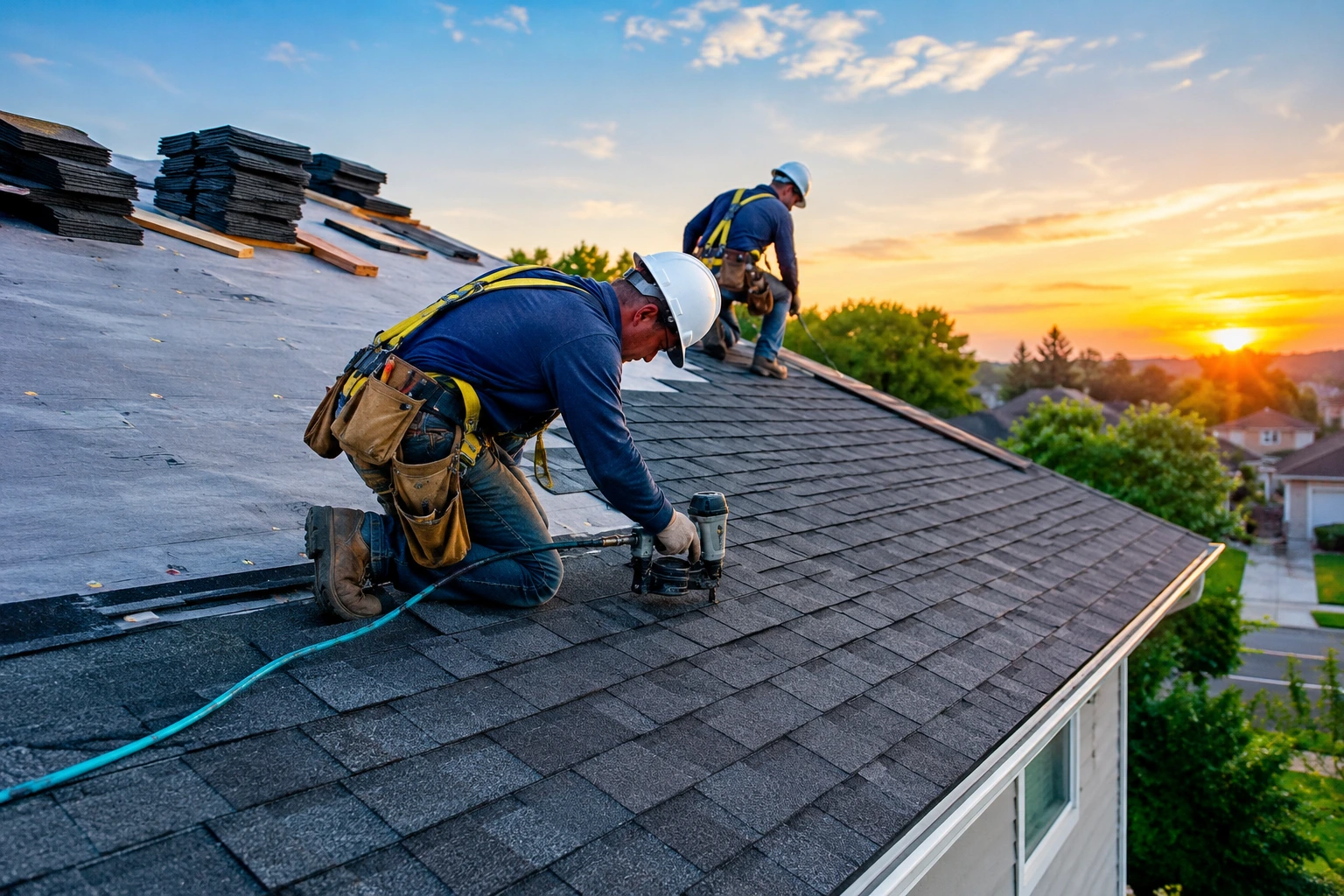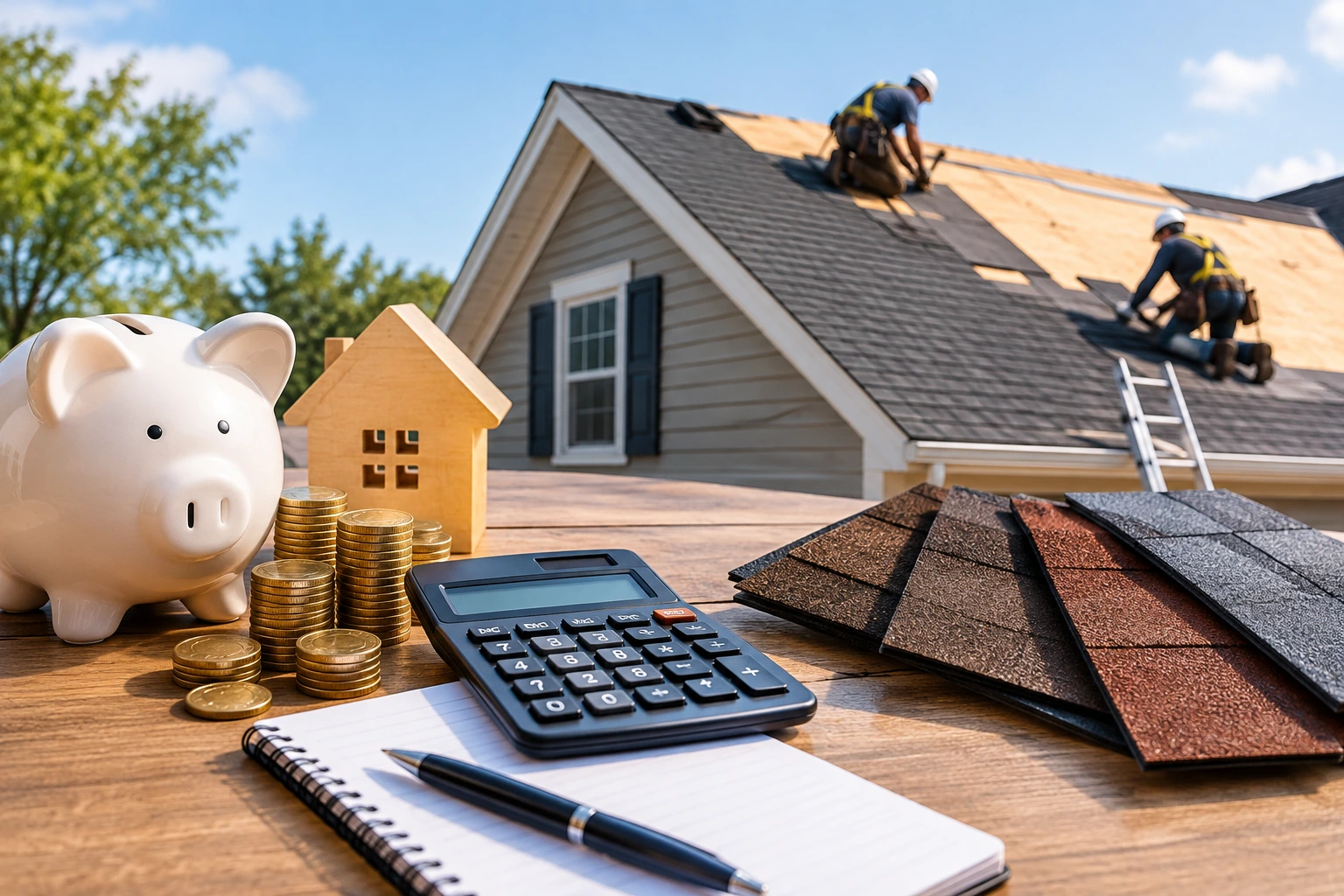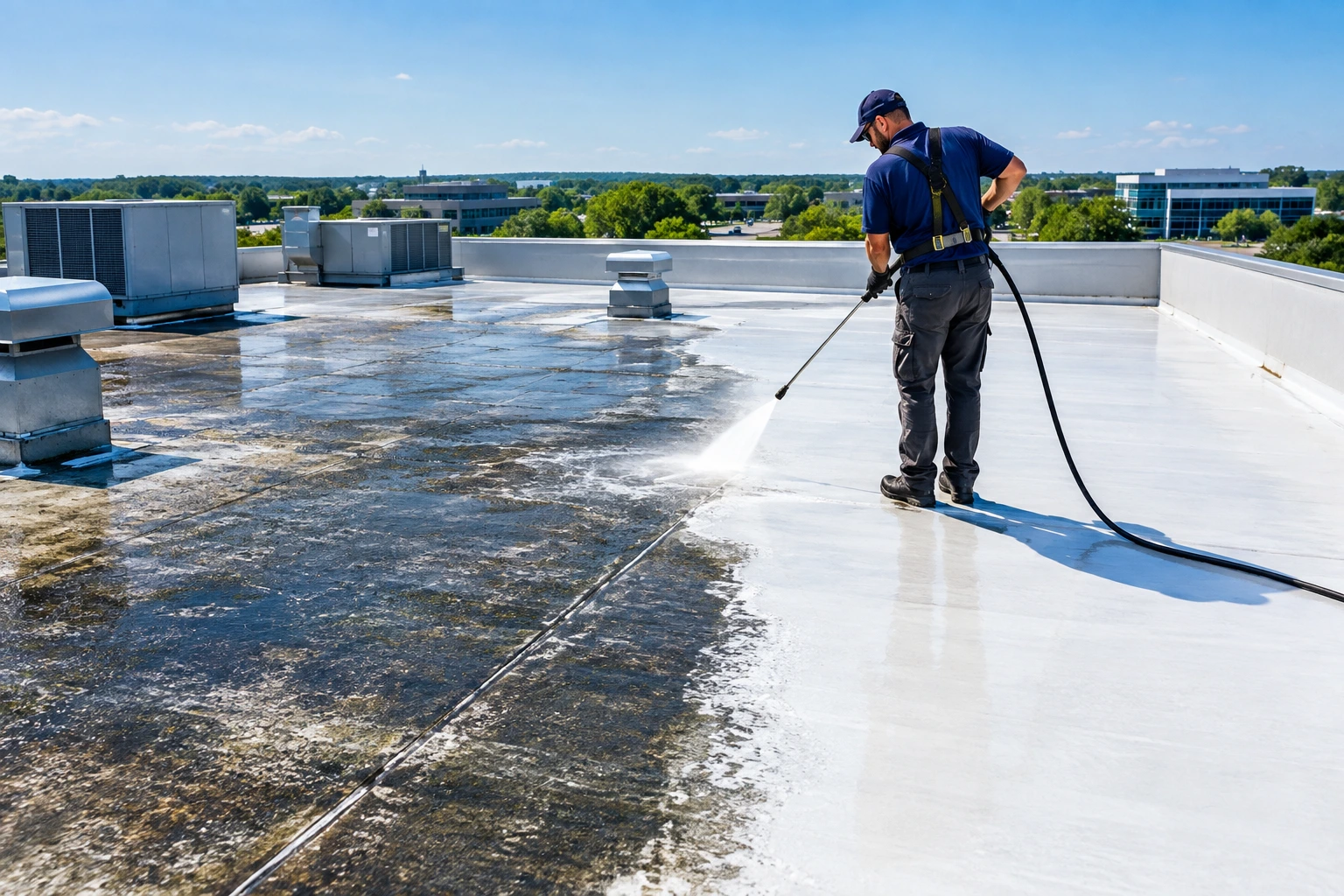
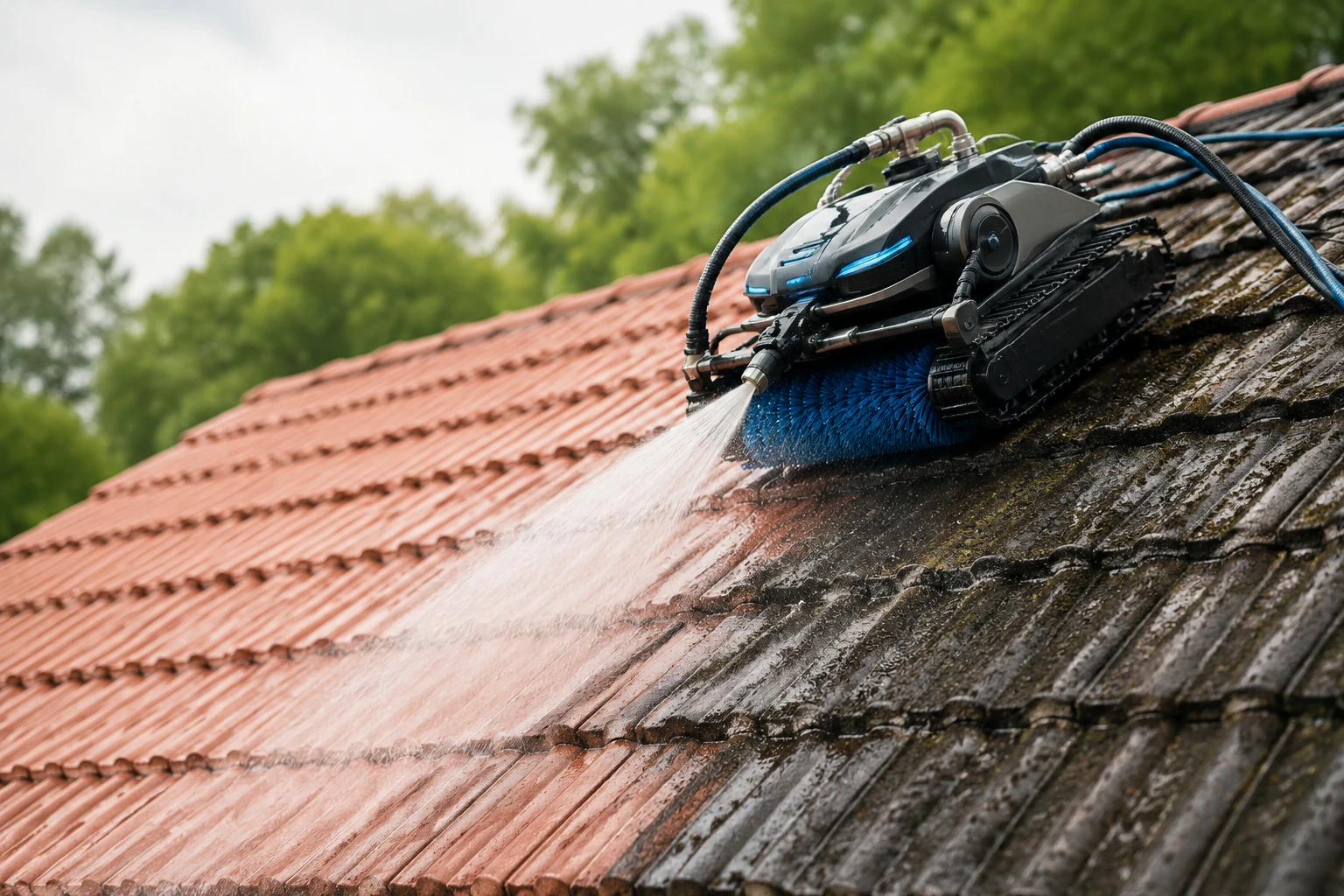
Roof cleaning is an important part of maintaining a home. Roofs can collect dirt, leaves, moss, algae, lichen, and other organic growth. If these materials are not addressed, they affect the appearance of the roof and may contribute to premature deterioration of some roofing materials. You might want to ask, How much should I pay for roof cleaning? It depends on several factors, including roof size, material, pitch, accessibility, level of buildup, cleaning method, location, and labor requirements.
How to Calculate Roof Cleaning?
Understanding How to calculate roof cleaning? can help you create an initial budget before requesting professional estimates.
The first step is determining the approximate roof area. The home’s floor area alone does not always represent the actual roof surface because roof pitch and design affect the total area.
For a basic estimate, you can consider the roof’s approximate surface area and multiply it by the expected cleaning rate per square foot.
For example, if a roof has approximately 2,000 square feet of cleaning area and a hypothetical cleaning rate is $0.30 per square foot, the basic service estimate would be $600.
However, this is only an illustration. Actual pricing can be higher or lower depending on the property’s conditions.
- Heavy moss removal
- Difficult roof access
- Steep roof pitches
- Multiple roof levels
- Extensive debris
- Specialized cleaning solutions
- Protective landscaping measures
- Gutter cleaning
- Post-treatment applications
Our professional inspection provides a more accurate calculation than relying solely on a simple square-foot formula.
What Makes Roof Cleaning More Expensive?
You might often wonder, Why is roof cleaning so expensive? Professional roof cleaning involves much more than spraying water across the roof.
Roofing professionals need to consider worker safety, the condition of the roofing material, appropriate cleaning techniques, equipment, surrounding landscaping, and proper disposal of removed debris.
Roof Height and Accessibility
A two-story home can require additional equipment and safety precautions compared with a single-story property. Difficult access can increase labor time.
Roof Pitch
Steep roofs are more challenging to work on safely. Cleaning professionals may need additional safety equipment and may require more time to complete the project.
Heavy Organic Growth
A roof with extensive moss, algae, or lichen can require additional treatment and manual removal. Heavy growth can take significantly longer to address than ordinary dirt.
Roofing Material
Different roofing materials require different cleaning approaches. Asphalt shingles, tile, metal, slate, and other roofing systems should not necessarily be cleaned using the same technique.
Using an inappropriate method can damage roofing materials, remove protective granules, or create other problems.
Property Protection
Professional roof cleaning may require protecting plants, landscaping, siding, windows, decks, and other surfaces from cleaning solutions and falling debris.
These additional precautions contribute to the overall service cost but can help prevent property damage.
What is the Cheapest Way to Clean a Roof?
Many of you ask, What is the cheapest way to clean a roof? The least expensive approach is not always the safest or most effective.
For minor dirt and organic buildup, gentle cleaning methods may be sufficient. Regular maintenance also reduce the amount of heavy buildup that eventually requires professional treatment.
However, you should avoid aggressive DIY methods simply to reduce the initial cost. High-pressure washing can also damage certain roofing materials, particularly asphalt shingles.
A safer budget-conscious approach is to have the roof inspected and determine what level of cleaning is actually necessary.
Preventive maintenance can also reduce long-term costs. Removing leaves and debris from accessible areas, keeping gutters clear, trimming overhanging branches, and addressing moss or algae growth early can help prevent extensive buildup.
Soft Washing vs. Pressure Washing
The cleaning method is an important consideration when evaluating roof cleaning costs.
Soft washing uses lower water pressure along with appropriate cleaning solutions to address organic growth and surface contaminants. This approach can be suitable for many roofing applications when performed correctly.
Pressure washing uses significantly more force. While pressure washing can be useful for some surfaces, excessive pressure on roofing materials can cause damage.
For this reason, you should ask a professional which cleaning method is appropriate for your specific roof rather than automatically choosing the most powerful cleaning option.
Which Signs Indicate Your Roof Needs Cleaning?
A roof may benefit from cleaning when you notice:
- Black or dark streaks
- Green moss
- Algae growth
- Lichen
- Accumulated leaves
- Dirt and debris
- Discoloration
- Organic growth around shaded areas
Trees near the roof can contribute to debris and shade, creating conditions where moss and algae thrive.
How to Keep Roof Cleaning Costs Down?
However, you can take several practical steps to control roof maintenance expenses.
Schedule Regular Inspections
Early detection can prevent small cleaning problems from becoming extensive buildup.
Keep Gutters Clean
Blocked gutters can contribute to moisture problems and debris accumulation around the roof.
Trim Overhanging Branches
Reducing shade and falling debris can help limit conditions that encourage moss and algae growth.
Address Moss Early
Small amounts of growth are generally easier to manage than heavily established moss.
Choose the Appropriate Cleaning Method
Avoid paying for unnecessary intensive cleaning. A professional can determine if a gentle cleaning or more comprehensive treatment is appropriate.
Frequently Asked Questions
How much is the price for roof cleaning?
It depends on the roof’s size, material, pitch, accessibility, amount of moss or algae, and cleaning method. Our inspection can provide a more accurate project-specific estimate.
How do you calculate roof cleaning costs?
You can estimate the roof’s surface area and multiplying it by the applicable cleaning rate per square foot. Additional costs may apply for steep roofs, heavy organic growth, difficult access, specialized treatments, and extra cleaning services.
Why is roof cleaning so expensive?
Professional roof cleaning includes labor, safety equipment, specialized cleaning methods, property protection, equipment, debris removal, and cleanup. Steep or heavily contaminated roofs may require additional time and precautions.
What is the cheapest way to clean a roof?
Regular maintenance and early removal of dirt, algae, and moss can help control costs. However, you should avoid unsafe roof access or aggressive pressure washing that could damage roofing materials.
How often should a roof be cleaned?
The appropriate cleaning frequency depends on the roofing material, climate, surrounding trees, moisture levels, and amount of algae or moss growth. Regular inspections help to check when cleaning is necessary and prevent excessive buildup.