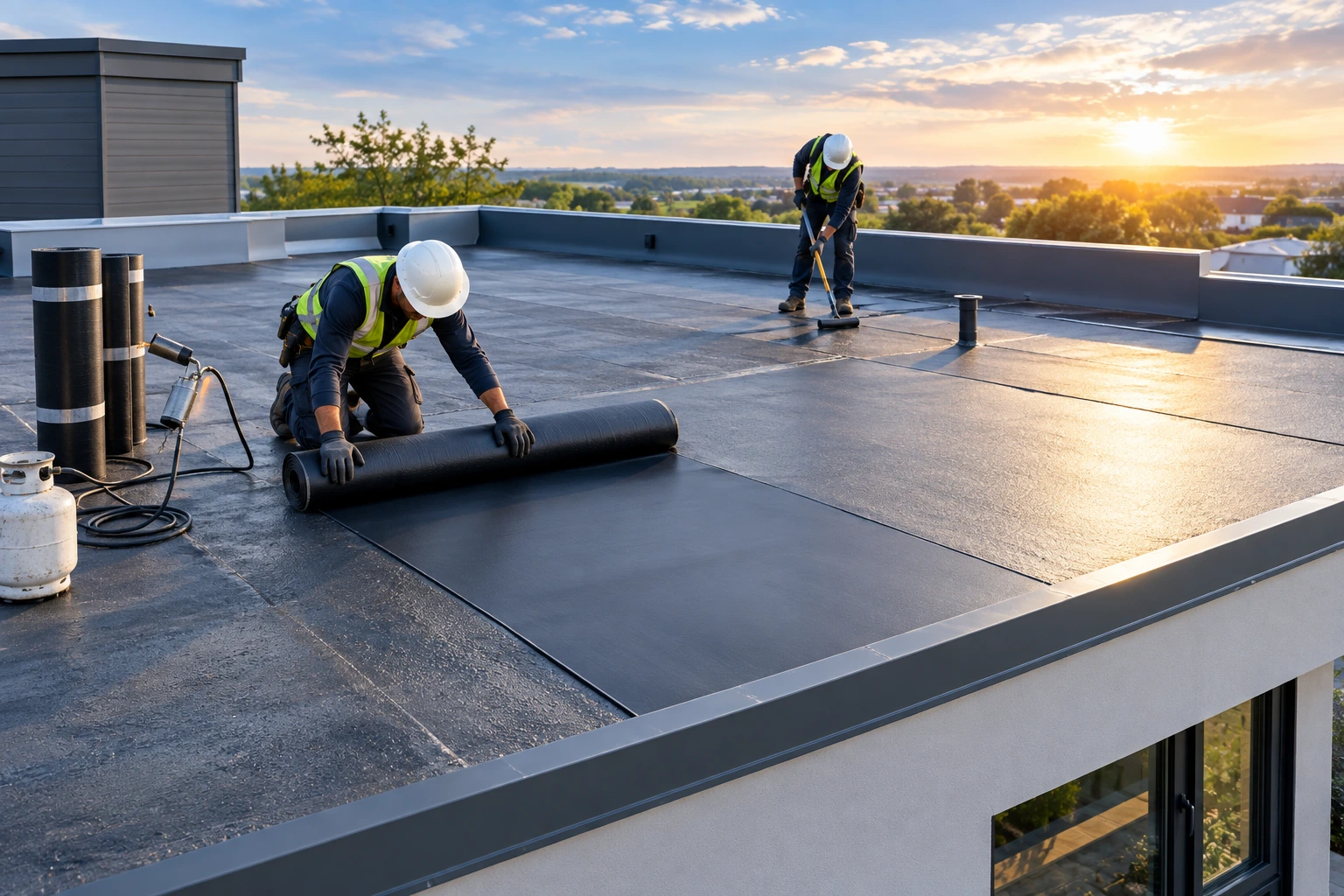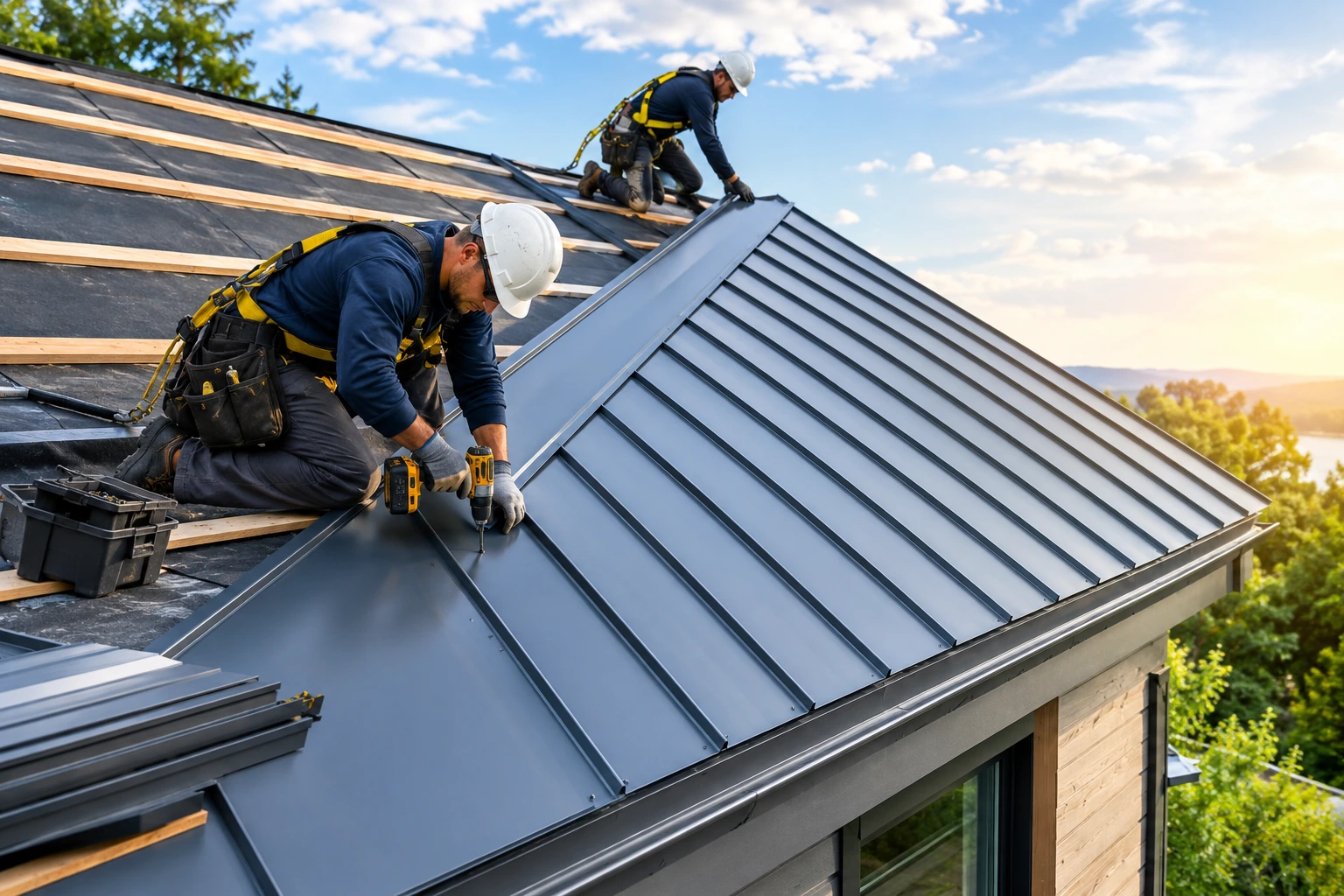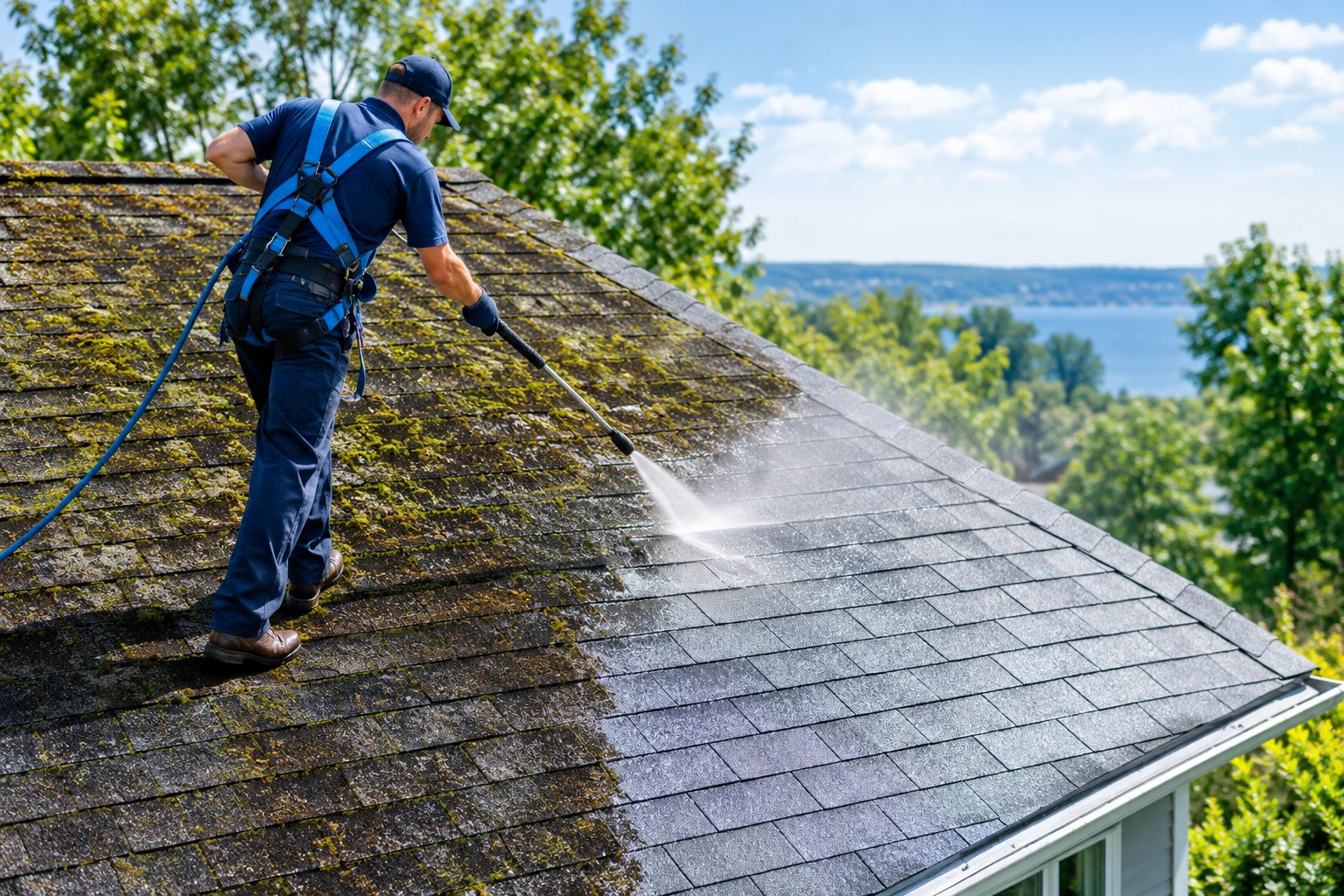
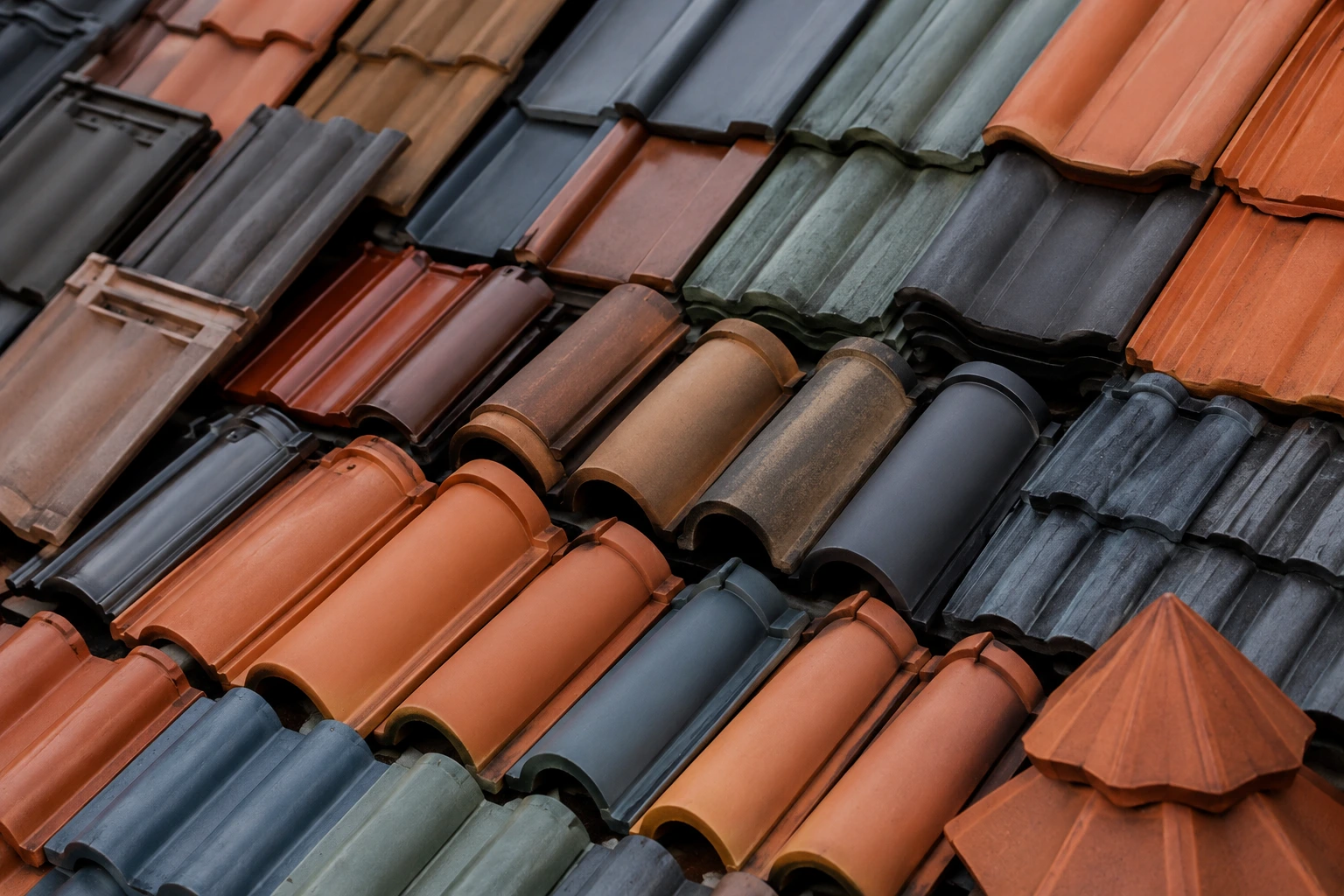
Roof tiles are a popular choice for you if you want a durable, attractive, and long-lasting roofing system. If you are wondering, How much do roof tiles cost per square foot? There is no single price that applies to every roofing project. The total cost depends on the type of tile, quality, roof design, labor, underlayment, removal of existing roofing, and any repairs required before installation.
Different Types of Roof Tiles and Their Costs
Different tile materials have different characteristics and price ranges.
Clay Roof Tiles
Clay tiles are known for their traditional appearance and durability. They can work particularly well with Mediterranean, Spanish, Southwestern, and traditional architectural styles.
Clay tiles can have a higher upfront cost because of their material quality, manufacturing process, and installation requirements.
Concrete Roof Tiles
Concrete tiles are another popular option. They can be manufactured in different shapes and finishes and may provide a more economical alternative to some premium tile products.
Concrete is relatively heavy, so the home’s roof structure should be evaluated before installation.
Slate Tiles
Slate is a natural stone roofing material that can provide an elegant appearance and excellent longevity. However, it can be heavier and more expensive than many other roofing options.
Synthetic Tiles
Some roofing products are manufactured to imitate the appearance of clay, slate, or other materials while reducing weight. Their cost and performance depend on the specific product and installation requirements.
What Is the Average Cost of a Clay Tile Roof?
A common question you ask is, What is the average cost of a clay tile roof? It varies depending on the size and complexity of the roof, type and quality of clay tile, labor costs, and existing roof conditions.
Clay tile installation is not simply a matter of placing tiles over an existing roof. The roofing system may require appropriate underlayment, flashing, ventilation, battens or other installation components, depending on the design.
The roof’s pitch and shape can also affect labor requirements. A simple roof is generally easier to work on than one containing multiple valleys, dormers, skylights, chimneys, and other penetrations.
What Factors Affect Roof Tile Installation Costs?
Several factors can influence the final project price.
- A larger roof requires more materials and labor. Measurements should account for the actual roof surface rather than simply the home’s floor area.
- Steeper roofs can require additional safety equipment, preparation, and labor. This can increase installation costs.
- Clay, concrete, slate, and synthetic tiles have different material prices and installation requirements.
- Complex roofs generally require more cutting, fitting, flashing, and labor than simple designs.
- If the roof deck has water damage, rot, or structural issues, repairs may be necessary before new tiles are installed.
- Quality underlayment and properly installed flashing are essential parts of a tile roofing system.
- If the existing roofing material must be removed, disposal and labor costs can increase the total project price.
What are Tile Roof Installation Services in Your Area?
When searching for Tile Roof Installation Services in Your Area, look for a roofing professional with experience installing the specific type of tile you want. Tile roofing requires proper planning because individual tiles must work as part of a complete water-shedding system.
Our installation includes inspecting the roof structure, preparing the surface, installing underlayment, addressing flashing details, and placing the tiles according to appropriate spacing and fastening requirements.
The installer should also inspect areas around chimneys, skylights, vents, valleys, and roof edges. These locations are particularly important because improper flashing can lead to leaks.
What are the Benefits of Tile Roofing?
Tile roofing offers several advantages that make it attractive to homeowners.
- Depending on the material, installation quality, climate, and maintenance, tile roofs can remain functional for many decades.
- Properly installed tiles can provide strong protection against rain, sunlight, and various weather conditions.
- Tile roofing is available in numerous colors, profiles, shapes, and finishes, which makes it possible to complement different home designs.
- Tile roofs generally do not require frequent replacement of the entire system. Regular inspections and prompt repairs can help maintain performance.
- Certain tile roofing systems can contribute to a home’s overall thermal performance because of their design, air circulation, and material characteristics.
How to Save on Tile Roof Installation?
You can take several steps to manage project costs without compromising essential roofing quality.
- First, arrange a professional roof inspection. Identifying structural problems before installation can prevent unexpected costs later.
- Next, compare detailed estimates that include materials, labor, underlayment, flashing, removal, disposal, and potential repairs.
- Choose a tile material that fits both your budget and the architectural requirements of your property.
- Proper maintenance can also reduce long-term costs. You can replace a few damaged tiles early, which allows water to penetrate the underlying roof system.
Frequently Asked Questions
What is the cost of roof tiles per square foot?
The cost of roof tiles per square foot varies based on the material, quality, design, roof size, labor, underlayment, flashing, and installation complexity. Clay, concrete, slate, and synthetic tiles can all have different pricing.
What is the average cost of a clay tile roof?
The price depends on roof size, clay tile type, labor, roof pitch, removal of existing materials, and necessary repairs. A professional inspection can provide a more accurate project estimate.
How long does a tile roof typically last?
A properly installed and maintained tile roof can last for several decades. Its lifespan depends on the tile material, installation quality, weather exposure, maintenance, and condition of the underlying roofing system.
What is included in Tile Roof Installation Services in Your Area?
Tile roof installation services may include roof inspection, removal of existing roofing, underlayment installation, flashing, tile installation, ridge and hip work, ventilation, cleanup, and repairs to the roof deck when required.
Can individual damaged roof tiles be replaced?
Cracked, broken, or missing tiles can often be replaced individually if the underlying roofing system remains in good condition. However, widespread tile damage, deteriorated underlayment, or repeated leaks may require more extensive repairs or roof replacement.