What Type of Roofing System Is Right for You? Choosing the right roofing system is one of the most important decisions you can make. A roof is not only a protective layer, but it also has a major role in energy efficiency, structural protection, and the property’s overall value. If you want to install a roof on a new building or replace an old one, you should understand the available options to help you make a better investment. The different roofing systems offer unique advantages that depend on the climate, building type, and budget. Some roofs are made for durability and longevity, while others prioritize energy efficiency or aesthetics. If you are wondering “What Type of Roofing System Is Right?”, the answer depends on several factors such as roof design, maintenance expectations, and long-term cost.
Understand the Roofing Systems
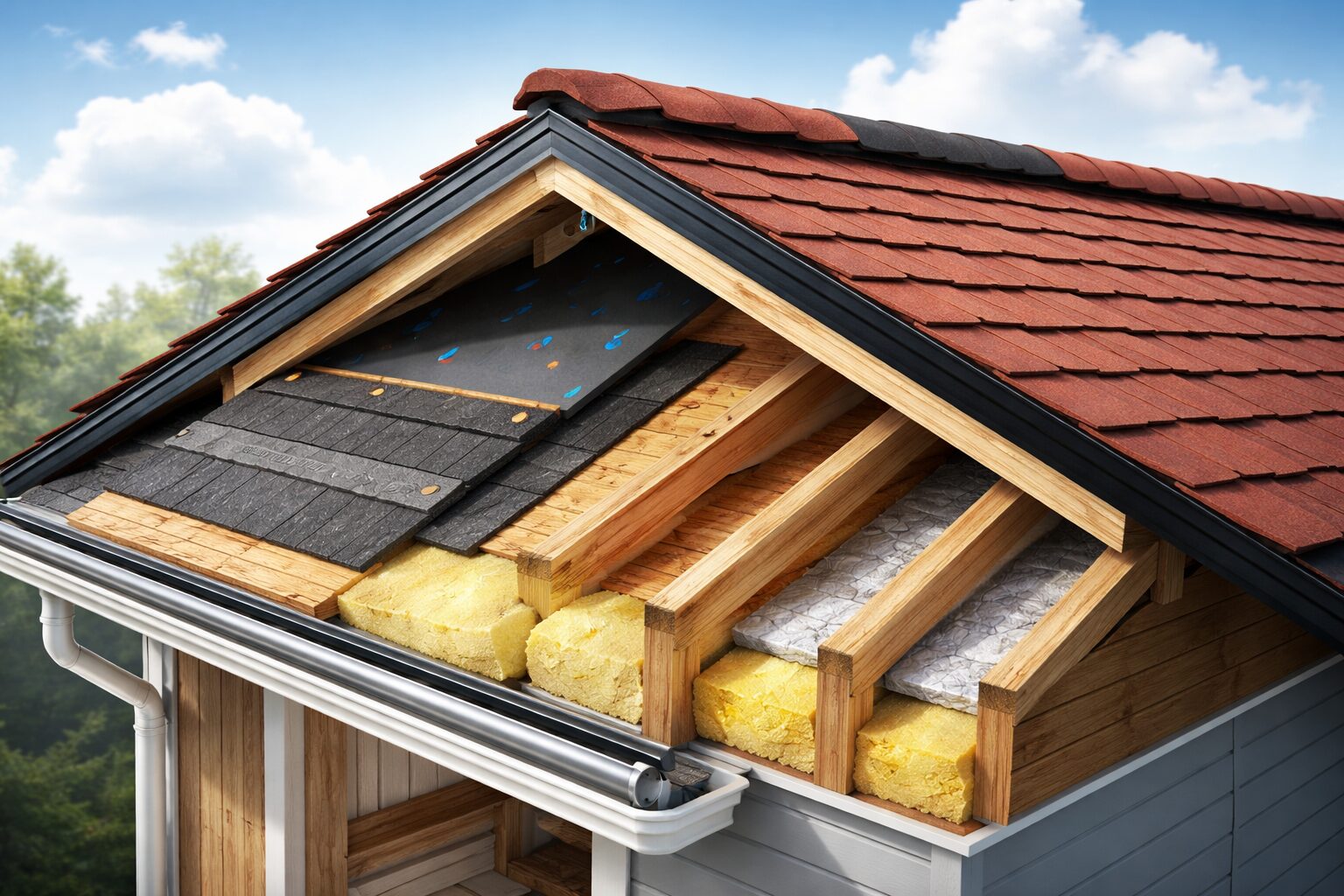
A roofing system consists of multiple components that work together to protect a structure from weather, moisture, and environmental damage. These components usually include the outer roofing material, insulation layers, waterproof membranes, flashing, and ventilation systems.
Modern roofing systems are designed not only for durability but also for improved energy performance. Many newer roofs include reflective surfaces or insulation layers that reduce heat transfer and improve indoor comfort.
Selecting the right roofing system requires balancing durability, cost, energy efficiency, and visual appeal.
What are the Different Types of Roofing Systems?
Several roofing systems are widely used in residential and commercial buildings. Each type has different materials, installation methods, and performance benefits.
Asphalt Shingle Roofing
Asphalt shingles are one of the most used roofing materials in residential construction. They are known for their affordability, ease of installation, and several types of colors and styles.
- Cost-effective roofing solution
- Easy to repair or replace individual shingles
- Suitable for many roof designs
- Available in many styles and colors
Most asphalt shingle roofs last around 20–30 years with proper maintenance. They provide solid protection against wind, rain, and moderate weather conditions.
Modern versions also include reflective coatings that improve heat resistance and reduce cooling costs.
Metal Roofing Systems
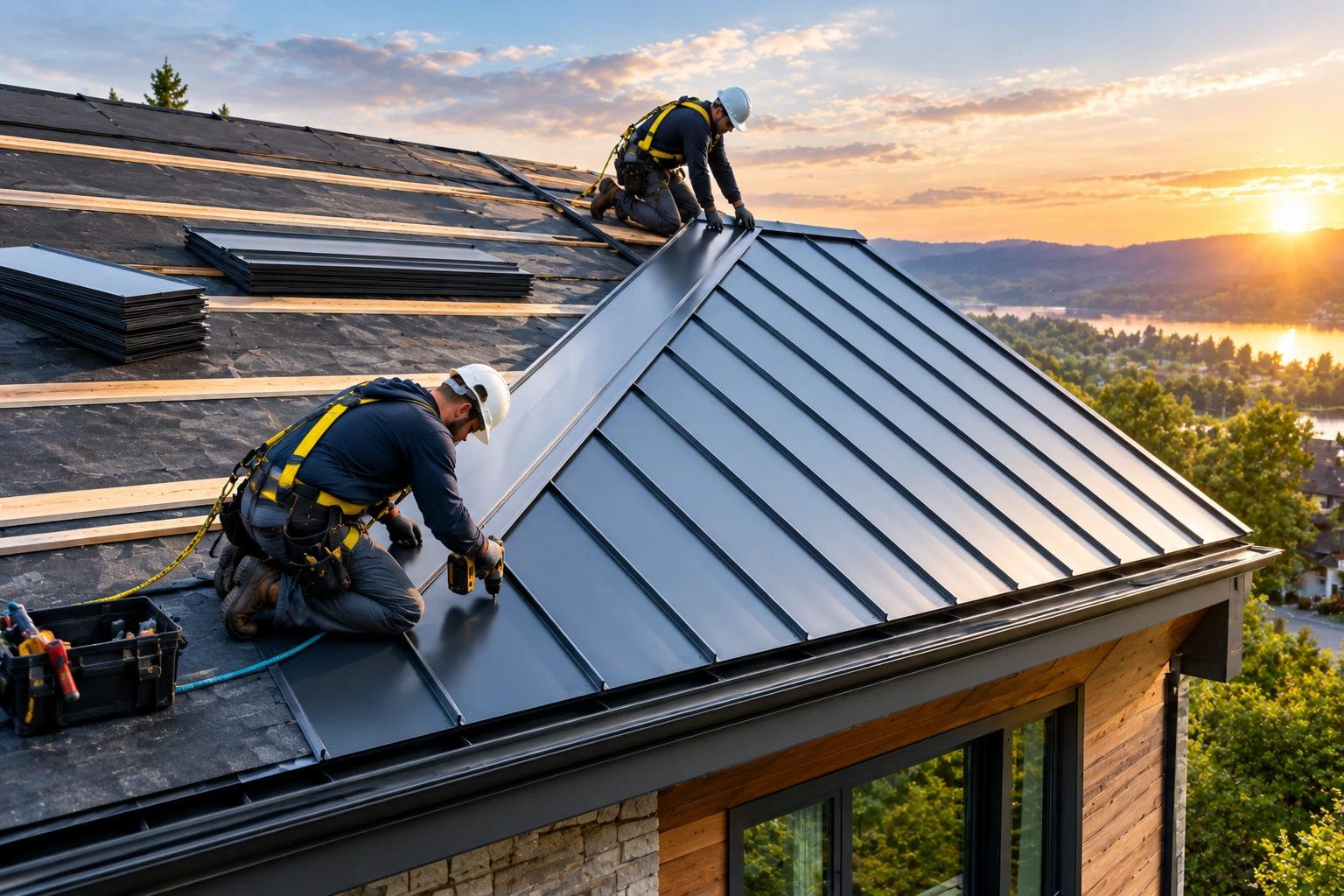
Metal roofing is most popular because of its durability and energy efficiency, and these roofs are made from steel, aluminum, or copper panels.
Metal roofs can last between 40 and 70 years and are resistant to extreme weather conditions. They also reflect solar radiation effectively, which helps reduce heat absorption and cooling costs.
- Long lifespan
- Fire resistance
- Lightweight yet strong
- Energy-efficient reflective surface
- Minimal maintenance requirements
You can use metal roofing in both residential and commercial buildings.
Tile Roofing Systems
Tile roofs are commonly made from clay or concrete. They are well known for their durability and classic appearance.
Tile roofs became popular in warmer climates because they naturally insulate buildings, allow airflow beneath the tiles, and help reduce heat transfer into the building.
- Extremely durable (often 50+ years)
- Excellent insulation properties
- Resistant to fire and insects
- Distinct architectural style
However, tile roofing can be heavier than other materials and may require additional structural support.
Flat Roofing Systems
However, you can use flat roofs on commercial buildings and modern homes. These systems use membrane materials such as rubber, PVC, or thermoplastic layers.
- TPO (Thermoplastic Polyolefin)
- EPDM rubber roofing
- PVC roofing membranes
These materials create waterproof, seamless surfaces that protect buildings from leaks. Many flat roof membranes also have reflective properties that improve energy efficiency.
Built-Up Roofing (BUR)
Built-up roofing is a traditional system commonly used on low-slope or flat roofs. It has multiple layers of asphalt and reinforcing fabrics that create a strong, waterproof surface.
- Excellent waterproof protection
- Strong resistance to UV rays
- Long lifespan with proper maintenance
- Suitable for commercial buildings
BUR systems have been used for decades because of their reliability and durability.
Green Roofing Systems
Green roofs, also called vegetative roofs, are covered with soil and plants. They are becoming popular in urban areas due to their environmental benefits.
Green roofs provide natural insulation and help regulate indoor temperatures. They also reduce urban heat and improve air quality.
- Improved energy efficiency
- Stormwater management
- Better air quality
- Reduced urban heat effects
Although installation costs may be higher, green roofs offer long-term environmental advantages.
Which Factors to Check Before Choosing a Roofing System?
When determining What Type of Roofing System Is Right, it is important to evaluate several key factors.
Climate Conditions
Weather conditions play a major role in the performance of roofing.
- Metal roofs are perfect in areas with heavy snow or rain.
- Tile roofs are ideal for warm climates.
- Membrane roofs are effective for flat commercial buildings.
Choosing a roof that suits the local climate helps improve durability and energy efficiency.
Budget
Budget is a deciding factor while you need to select a roofing system.
Some materials may have higher upfront costs but provide long-term savings through durability and lower maintenance requirements. For example, metal or tile roofs typically cost more initially but can last significantly longer than asphalt shingles.
Roof Design
The shape and slope of your roof influence the system, and the system is suitable.
- Steep-slope roofs: shingles, metal, tile
- Low-slope or flat roofs: TPO, EPDM, BUR
Selecting a system compatible with your roof structure ensures better performance.
Maintenance Requirements
Different roofing materials need different levels of maintenance. You must understand the maintenance expectations to choose the right roofing system.
- Asphalt shingles may need periodic replacement.
- Metal roofs require minimal maintenance.
- Tile roofs may need occasional tile replacement.
Are Energy-Efficient Roofs Available?
Energy-efficient roofing systems are widely available today. Modern roofing technologies focus on reducing heat absorption, improving insulation, and lowering energy costs. However, energy-efficient roofs reflect sunlight and minimize heat transfer into the building, thereby reducinge air-conditioning use and improving indoor comfort.
Cool Roofs
Cool roofs use reflective coatings or materials that bounce sunlight away from the building. These roofs can lower rooftop temperatures and reduce cooling costs.
Metal Roofing
Metal roofs reflect solar radiation effectively, which helps you keep buildings cooler during hot weather.
Tile Roofing
Clay and concrete tiles provide natural insulation and allow airflow beneath the tiles, which helps regulate temperature.
Solar Roofing
Some modern roofs include integrated solar tiles that generate electricity while protecting the building.
Green Roofs
Vegetative roofs provide natural insulation and reduce heat absorption, which improves energy performance.
Installing an energy-efficient roof can significantly reduce utility bills and improve overall building sustainability.
Should I Repair or Replace the Roof?
One of the most common questions you ask is “Should I Repair or Replace the Roof?” The answer depends on the condition, age, and extent of damage to the existing roof.
When Roof Repair Is the Right Choice
Repairing a roof may be sufficient if the damage is minor or localized.
- Small leaks or cracks
- Missing or damaged shingles
- Minor flashing issues
- Isolated storm damage
Thus, repairs are usually faster and less expensive than full roof replacement.
When Roof Replacement Is the Better Option?
In some cases, you want to replace the entire roof may be more cost-effective than repeated repairs. A new roof can improve property value, energy efficiency, and long-term protection.
- Roof age exceeding expected lifespan.
- Frequent leaks in multiple areas
- Significant structural damage
- Extensive mold or moisture problems
- Major storm damage
Benefits of Roof Replacement
Replacing an old roof offers several long-term advantages.
- Improved energy efficiency
- Increased property value
- Better protection againstthe weather
- Reduced maintenance costs
- Updated appearance
Many property owners choose to replace their roofs as a long-term investment.
Why Professional Roof Inspection is Important?
Before deciding whether to repair or replace a roof, it is essential to have a professional inspection conducted. Roofing specialists can evaluate certain factors. However, this assessment helps determine the most effective solution.
- Structural integrity
- Material condition
- Moisture damage
- Ventilation issues
- Insulation performance
How Roofing Materials Affect Energy Performance?
Roofing materials play a major role to determine how much heat can enter or leave a building. Certain materials naturally reflect sunlight, while others absorb heat and increase indoor temperatures.
Light-colored roofing materials tend to reflect more sunlight compared to darker ones. Reflective coatings or specially designed materials can improve the roof’s ability to maintain a comfortable indoor climate.
If you are wondering Are Energy Efficient Roofs are available, the answer is yes. Many roofing systems today are manufactured with energy performance in mind. Options such as reflective shingles, coated metal panels, and insulated roof membranes help reduce energy consumption while maintaining durability.
Meanwhile, choosing the right material can make a noticeable difference in monthly energy costs and indoor comfort.
Roofing System Lifespan and Durability
Some roofing systems are designed for short-term affordability, while others offer decades of durability with minimal maintenance.
For example, certain roofing materials can last 20–30 years, while more advanced systems may remain effective for 50 years or more. Durability also depends on environmental factors such as wind exposure, heavy rainfall, and temperature extremes.
A strong roofing system not only protects the structure but also reduces the likelihood of frequent repairs. Property owners who plan to stay in their homes for many years often prefer roofing materials that provide long-term reliability.
With regular maintenance the roofing system lifespan can be extended. Simple steps, like clearing debris, inspecting flashing, and checking for minor damage, can prevent larger problems later.
Which Signs Show Your Roof May Need Immediate Attention?
Sometimes, roof issues develop gradually and remain unnoticed until serious damage occurs. Recognizing early warning signs can help prevent expensive structural repairs.
- Water stains on ceilings or walls
- Damaged or missing roofing materials
- Sagging areas on the roof surface
- Granules accumulating in gutters
- Sudden increase in energy bills
These issues suggest underlying problems with the roofing structure or insulation.
If you are unsure Should I Repair or replace the Roof, a detailed inspection can help determine the severity of the problem. In many cases, addressing minor damage early can extend the life of the existing roof.
Are There Seasonal Roof Maintenance Tips?
Regular maintenance is essential for keeping a roofing system in good condition. Each season presents different challenges, affecting the roofing performance. Routine seasonal maintenance ensures the roofing system continues to perform effectively throughout the year.
Spring Inspection
After winter, roofs should be inspected for damage caused by snow, ice, or strong winds. Checking shingles, flashing, and gutters can help identify problems early.
Summer Heat Protection
High temperatures and intense sunlight can weaken roofing materials with time. Proper attic ventilation and insulation help protect the roof from heat buildup.
Autumn Preparation
Falling leaves can clog gutters or drainage systems, thus, cleaning these areas prevents water accumulation that may lead to leaks.
Winter Readiness
Before colder months begin, it is important to inspect the roof for cracks or weak areas that could allow moisture to enter.
Why Choose the Long-Term Value for the Right Roof?
A roofing system is a long-term investment that affects both property value and overall building performance. While the initial cost of installation is important, long-term durability and energy savings should also be considered.
- Lower maintenance expenses
- Improved indoor comfort
- Better protection against weather damage
- Enhanced property value
- Reduced energy consumption
When evaluating “What Type of Roofing System Is Right,” it is important to consider both current needs and future performance.
Frequently Asked Questions
What Type of Roofing System Is Right for my home or building?
The right roofing system depends on several factors, including the building’s structure, climate, budget, and maintenance expectations. You should consider durability, energy efficiency, and lifespan.
Are Energy Efficient Roofs Available for residential and commercial properties?
Energy-efficient roofing systems are available. Many modern roofing materials reflect sunlight, reduce heat absorption, and improve insulation.
Should I Repair or Replace the Roof if it starts leaking?
If the leak is small and limited to one area, a repair may be sufficient. However, if the roof has multiple leaks or ghas beendamaged, a full replacement may be the better long-term solution.
How long does a typical roofing system last?
The lifespan of a roofing system depends on the materials used and the level of maintenance. Some roofing materials may last around 20–30 years, while others can last 40–50 years or more.
What are the benefits of installing a new roofing system?
Installing a new roofing system offers several advantages, like improved structural protection, better energy efficiency, and enhanced property value.